
Plant Disease Control: Prevention First, Fungicides Second
Disease management starts at planting: Space trees for mature canopy air flow. Prune low branches (shade = damp = fungus). Remove fallen leaves (overwintering inoculum). Fungicides: chemicals. Culture Is the Cure Clean,

Glyphosate: Non-Selective Herbicide for Total Vegetation Control
Glyphosate kills everything green—grassy and broadleaf weeds, poison ivy/oak, crabgrass. Precision use: cut ivy vines at base, pull from desired plant, treat cut stem. Lawn renovation: kill entire weedy turf, reseed. Saf
Cranesbill Geraniums: True Perennials for Every Garden Niche
Not to be confused with annual pelargoniums, cranesbill geraniums (G. sanguineum) offer upright, mounding, and spreading forms—five-petaled flowers in blue-red range, kidney/lobed leaves. Sun to part shade. Borders, rock
Outdoor Flowering Plants: Designing Gardens That Bloom in Sequence
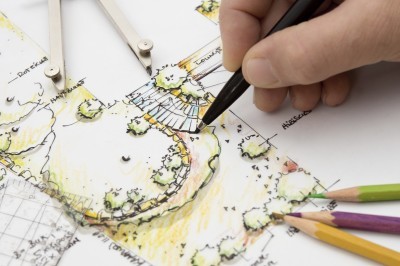
Garden style follows site—soil, climate, sun. Annuals (replant yearly) or perennials (plant once); mixing is tricky. Start with bones: existing trees/shrubs. Add ornamental trees (mimosa, cherry) and shrubs (hydrangea, v
Designing with Large Perennials: Back-of-Border Architecture
Large perennials (3-7+ ft) define garden structure. Cool colors back (blue iris, lavender clematis) → space expands. Warm colors forward (red daylilies, oriental poppies) → drama, intimacy. Watch spread: cover ground, no
Soil Conditioners: Recreating Nature's Humus in Your Yard
Residential soil is compacted, depleted, and biologically poor. Conditioners physically/chemically improve it. Organic conditioners (compost, peat moss, aged manure) mimic humus—decomposed plant matter that feeds microbe
Lawn Fertilizing Schedule: Feed by the Season, Not the Symptom
Fertilize proactively—by calendar, not crisis. Cool-season grasses (bluegrass, rye): spring and fall (growth peaks). Warm-season grasses (buffalo, Bermuda): March-October. Have product ready at season start. Organic opti
Broadleaf Weed Control: Strategy for Persistent Invaders
Broadleaf weeds (vine/shrub form, not grassy) have deep roots and stubborn persistence. Post-emergent: spot-treat visible plants, then broadcast for hidden ones. Dry 24-hr window. No disturbance 48 hrs. Dead tops ≠ dead
Hibiscus Perennials: Tropical Drama for Temperate Gardens
Hardy hibiscus (3-4 ft, up to 7 ft in ideal conditions) dies back completely each winter, returning with dinner-plate blooms mid-summer to fall. Needs: moisture + drainage (leaf/bark compost, vermiculite/perlite), weekly
Tropical Plant Nurseries: Orchids, Ferns, and Ficus for Indoor Jungles
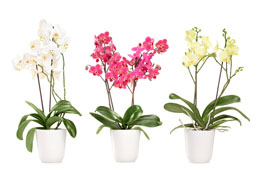
Tropical nurseries stock equatorial natives: orchids (750 genera, 20,000+ species—half epiphytic, half terrestrial; Paphiopedilum = common houseplant), ferns (epiphytic/terrestrial, humidity-loving), ficus (800 species—f
Soil Water Retention: Amending for the Perfect Balance
Ideal soil holds moisture as thin films on particles, with continuous capillary flow to roots—no flooding, no drought. Sandy soil: large pores drain too fast. Amend with compost/manure to increase retention. Clay soil: m
Lawn Care Fundamentals: Soil Health Drives Turf Success
Perfect lawns grow from prepared soil—not hope. Most yards have depleted, compacted, contaminated soil. Clay: holds water/nutrients but drains poorly, resists roots. Fix: wood bark, chips, peat for aeration. Sandy: drain
Lawn Care Advice: Before You Plant and After You Establish
Great lawns start before seed hits soil. Pre-plant: soil health = lawn health. Amend sand (compost for retention), clay (wood chips/bark for aeration), pH (conditioners). Post-establish: dual herbicide strategy—pre-emerg
Essential Lawn Care Products: Soil, Weeds, and Fertilizer Strategy
Lawn care mirrors pet care—feed, groom, doctor. Soil first: test, amend (sandy → compost/manure for retention; clay → wood chips/bark for drainage; pH adjusters for acid/alkaline). Weeds: pre-emergent after 3-4 mows (sho
Pre-Emergent Herbicides: Stopping Weeds Before They Start
Pre-emergents kill germinating seeds—apply periodically all season (germination is continuous). Timing: after 3-4 mows on new lawn (canopy formed, not too tall). Water in: activation requires moisture. Track: calendar wi
Identifying Toxic Plants: Poison Ivy, Oak, and Sumac
Urushiol oil in these three causes contact dermatitis—learn them cold. Poison ivy: woody vine or shrub, 3-9 leaflets (usually 3), green summer/red fall, yellow-green flowers, white berries. Midwest/East near water. Poiso
Organic Lawn Care: Natural Fertilizers That Outperform Chemicals
Lawns lack natures humus cycle—we must supply fertility. Chemical fertilizers burn risk, create unsafe surfaces, harm ecosystems. Organic alternatives match or exceed synthetic performance: Fish oil/hydrolysate: high nit
Fish Fertilizers: Emulsion vs. Hydrolysate—Know the Difference
Not all fish fertilizers are equal. Fish emulsion: menhaden cooked, pressed for oil (cosmetics/paint), remainder → animal feed, leftovers → emulsion. Nutrient-depleted byproduct. Liquid hydrolysate: cold-pressed whole fi
Daylily Perennials: Tough, Colorful, and Erosion-Stopping
Daylilies (Hemerocallis) thrive anywhere, spread fast, bloom prolifically in yellows, reds, oranges, creams, with fragrant cultivars (Pardon Me cranberry/yellow, Happy Returns pale yellow rebloomer). Sword-like foliage f
Designing with Perennial Garden Plants: Color, Height, and Bloom Sequence
Perennials span 4 creepers (phlox) to 7 climbers (clematis)—shade lovers (hosta) to sun worshippers (asters, thyme). Design starts with two questions: Does it bloom? When? Non-bloomers contribute form, texture, foliage c
Copyright © www.100flowers.win Botanic Garden All Rights Reserved