

Complete Weed Control: Pre- and Post-Emergent Strategies
Two-pronged approach wins: Pre-emergents stop seeds (apply to short grass, water in, wait 3-4 mows after seeding). Post-emergents kill visible weeds (dont mow before; let absorb 48 hours). Use both—pre-emergent prevents

Understanding NPK: Decoding Fertilizer Numbers for Plant Health
Every fertilizer label shows three numbers (N-P-K): Nitrogen (N) drives leaf/stem growth. Quick-release = fast green-up, short duration. Slow-release = steady feed, higher cost, better long-term. Phosphorus (P) powers bl
Fertilizing by the Calendar: Timing Nutrients to Growth Cycles
Fertilize by plant biology, not appearance. By the time turf looks hungry, recovery is compromised. Cool-season grasses (rye, bluegrass): peak growth fall and spring—fertilize then. Warm-season grasses (Bermuda, buffalo)
Clematis Perennials: Vertical Drama for Decades
Clematis (250+ species, buttercup family) climbs 10-30+ feet, lives 25+ years. All need support, well-drained neutral soil, sun on tops/cool shade on roots. Three bloom groups: Early small-flowered (April-May): alpina (b
Perennial Plant Fundamentals: Bloom Time, Foliage, and Spread
Perennials return yearly once established—unlike annuals that need replanting. Garden design hinges on: Bloom timing (sequence for continuous color). Foliage (visible all season, backdrop for flowers). Spread habit (aggr
Organic Insect Control: Beneficial Nematodes for Soil Pests
Beneficial nematodes—microscopic soil roundworms—parasitize fleas, grubs, cutworms, termites, and more. Applied like any granular insecticide, they enter pests through natural openings, release symbiotic bacteria that ki
Verbena Perennials: Long-Blooming Color for Heat and Sun
Native to the Americas, verbena thrives in heat, sun, and poor soil—blooming late spring to fall. Mounding and trailing forms. Trailing types excel as weed-suppressing groundcovers. Watch for: mildew in shade/dampness, s
Shade-Loving Ferns: Ancient Plants for Modern Gardens
Ferns (12,000+ species) range from moss-like to 80-foot tree ferns. Garden-worthy hardy types partner beautifully with astilbe, hydrangea, hosta, bleeding heart. Evergreen ferns excel as foundation plantings and shrub un
Choosing Online Plant Nurseries: What to Look For
Online nurseries offer convenience—no catalogs to lose, no driving, 24/7 access. But apply the same standards as local shops: Extensive resources: Q&As, fact sheets, searchable by common/scientific name. Rich plant data:
Post-Emergent Herbicides: Targeting Visible Weeds Effectively
Post-emergents kill weeds you can see. Best paired with pre-emergents (which stop seeds). Application protocol: protective gear (boots, pants, gloves, mask). Backpack sprayer: half water → herbicide → shake → remaining w
Healthy Lawn Care Programs: Organic Strategies for Safe, Strong Turf
Chemical lawn programs risk family, pet, and environmental health. Organic alternatives build soil biology that sustains turf naturally. Soil amendments: compost and aged manure boost water/nutrient retention in sandy so
Sedum Perennials: Succulent Beauty for Four Seasons
Sedum (Stonecrop) offers succulent leaves, sturdy stems, spring-summer flowers, and architectural seedheads that persist through winter. 18-22 tall, sun to part sun, drought-tolerant, bee/butterfly favorites. Dragons Blo
Garden Shade Plants: Designing Lush Retreats in Dappled Light
Shade gardens arent just hostas and ferns. Partial shade (dappled light) supports a vast palette: Full-shade perennials: lily-of-the-valley, bleeding heart, dwarf forget-me-not, monkshood. Partial-shade stars: astilbe, c
Choosing an Online Plant Nursery: Expertise Over Convenience
Online nurseries are catalogs evolved—but the horticulture behind them matters more than the website. Seek: Horticultural staff (not just order-takers). Q&A libraries and fact sheets for every plant. Search by common and
Plant Pathogens: Fungal and Bacterial Disease Management
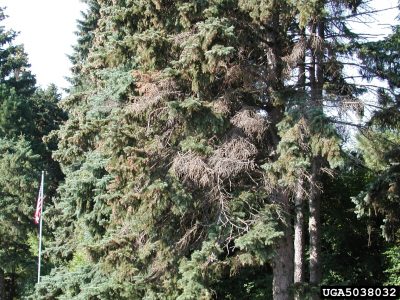
Fungi dominate plant pathogens—spreading via wind, water, tools, and debris. They thrive in shade, humidity, and poor air circulation. Dead leaves overwinter spores; spring rains splash them onto new growth. Lower branch
Grub Control: Detect Early, Treat Smart, Save Your Lawn
Grubs (beetle larvae) devastate cool-season grasses (bluegrass, ryegrass) in moist, organic-rich, well-drained soils. Tug test: if sod lifts like carpet, grubs have severed roots. Visible white C-shaped larvae confirm it
Salvia Perennials: Spikes of Color for Sun and Pollinators
Salvia (900+ species) delivers dense flower spikes in blues, purples, pinks, whites, and creams—bushy foliage, robust blooms, hummingbird and butterfly magnets. Full sun lovers. Salvia superba cultivars (May Night, Blue
Peony Perennials: Plant in Fall for Generations of Blooms
Peonies demand fall planting—spring-planted divisions may wait years to flower. Buy divisions with 4-5 eyes. Plant eyes ≤2 deep in compost-enriched holes (fertilizer at bottom, amended soil above). Full sun preferred; fi
Designing Hosta Gardens: Shade Elegance with Endless Variety
Hostas anchor shade gardens with mounding foliage in greens, blues, golds, and variegations—wavy edges, pie-crust margins, cupped leaves. Blooms (white to lavender) rise mid-summer. Hardy zones 4-8 (to -20°F). Space 24-4
Essential Plant Nursery Supplies: Tools That Make the Difference
The right tool transforms a struggle into a smooth operation. Specialized hand tools: bypass pruners, lopper shears, Dutch perennial planter (spade-trowel hybrid), dandelion pullers, planting augers, transplanter spades.
Copyright © www.100flowers.win Botanic Garden All Rights Reserved