


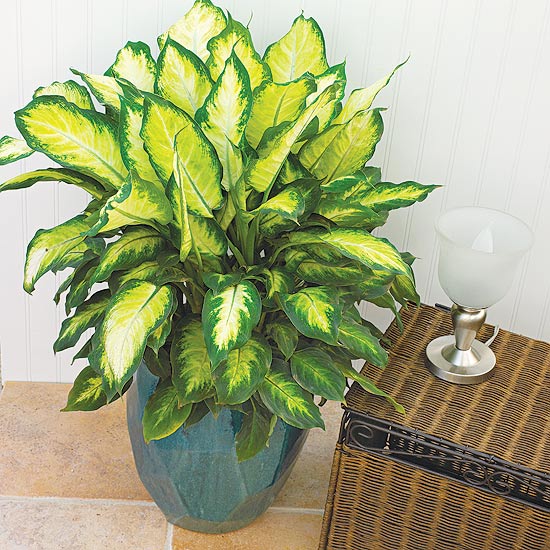
Most houseplants are harmless, but a few can cause skin irritation, stomach upset, or worse if chewed or ingested by curious children or pets. Toxicity varies—many require large amounts to cause serious harm, and bitter taste often deters further eating. If you suspect poisoning, call your doctor, veterinarian, or the National Capital Poison Center at 800‑222‑1222 immediately.
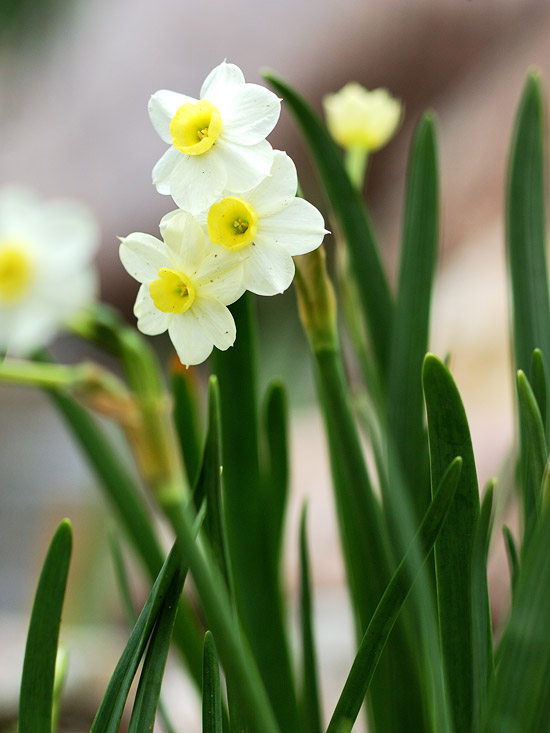
Bulbs (often mistaken for onions) cause severe stomach issues, high blood pressure, irregular heartbeat, and can be fatal. Hyacinths and other forced spring bulbs pose similar risks.
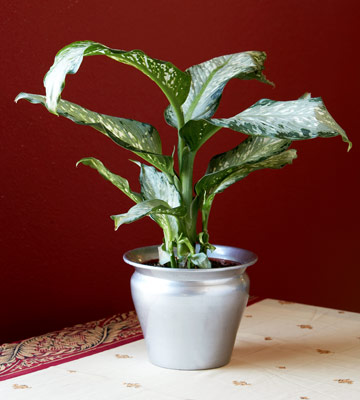
Sap causes burning, swelling of the tongue and throat, potentially blocking airways. Can be fatal in large amounts.
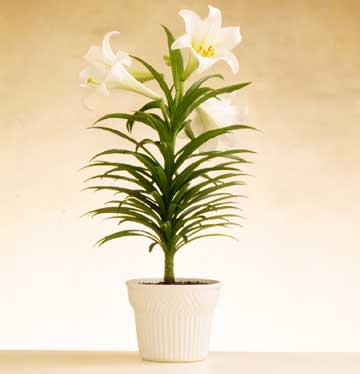
Extremely toxic to cats—even small amounts cause kidney failure within 18 hours if untreated. Not poisonous to humans but choking hazard.
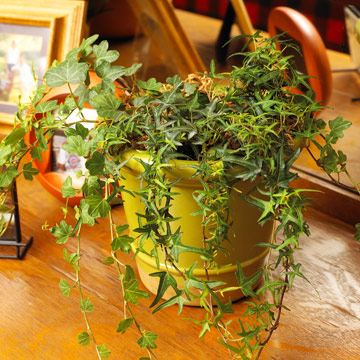
Large quantities needed for serious effects, but all parts can cause skin irritation, burning throat, fever, and rash.

All parts are extremely poisonous; sap can be fatal if ingested. Wear gloves when pruning.
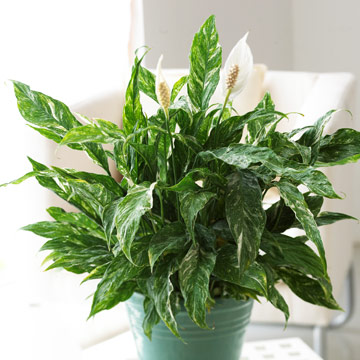
Toxic only if large quantities of leaves are eaten.
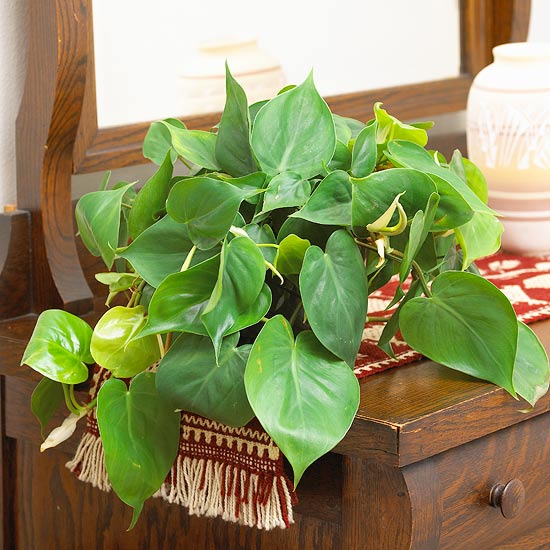
Causes burning, swelling of lips, tongue, throat; vomiting and diarrhea.
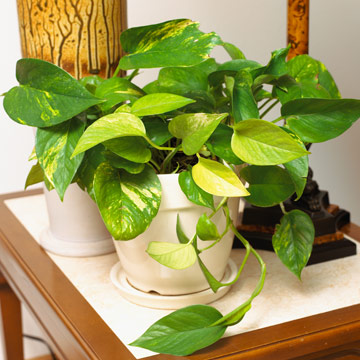
Close relative of philodendron with identical symptoms if ingested.
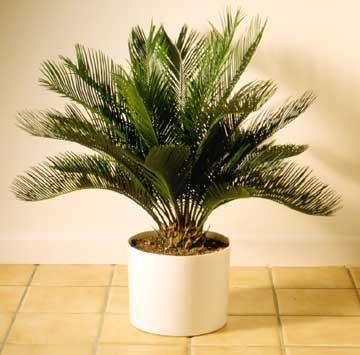
All parts, including seeds and roots, are poisonous. Ingestion causes vomiting, diarrhea, and potential liver failure.
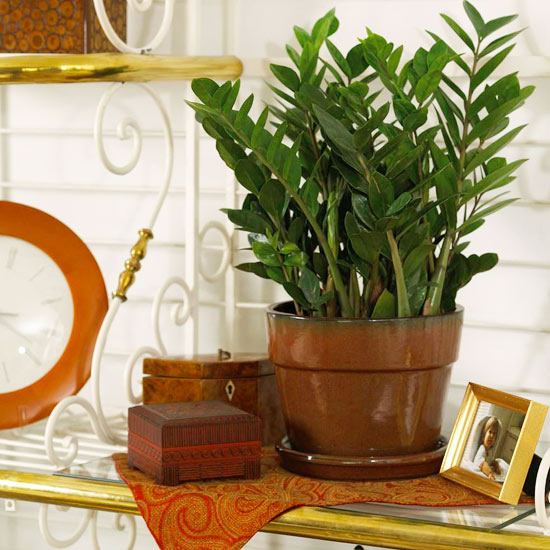
All parts are toxic. Keep away from children and pets; wash hands or wear gloves after handling.
This list is not exhaustive. Contact your local Extension Service for more information on specific plants.
Landscaping a Florida Waterfront Home with Tropical Plants
The Complete Guide to Indoor Gardening: Light, Water, Soil, and Success
Houseplant Temperature Adaptation: Working With Your Home's Climate
Home Hydroponics: System Components, Lighting & Nutrients for Indoor Growing
Flowering Plants & Designer Planters: The Formula for Year-Round Home Beauty
How to Select a Professional Landscaper: Experience, Credentials, and Budget
Designing with Russian Sage for Maximum Impact
Determining Cold Hardiness for Drosera and Sarracenia in the Pacific Northwest
Separating Drosera Capensis and Aliciae: When and How to Divide Your Sundews
Light Spectrum for Highland vs. Lowland Nepenthes: Atmospheric Filtering Theory
Rescuing a Death Cube Pinguicula primuliflora: Acclimation, Soil, and Species ID
Amazing Plants of the Amazon Rainforest: Orchids, Arum Lilies, and Palms
Copyright © www.100flowers.win Botanic Garden All Rights Reserved