


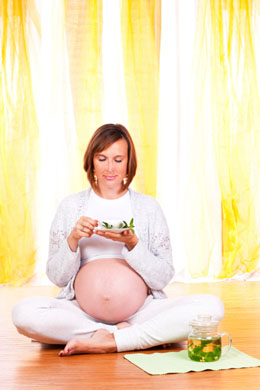
While most herbs lack rigorous pregnancy safety data, a few have extensive traditional use, favorable pharmacological profiles, and limited clinical evidence supporting cautious use under qualified supervision. No herb is universally safe; individual risk assessment by your obstetrician or midwife is mandatory.
Best-studied pregnancy herb. Rich in fragarine (uterine toner), calcium, magnesium, iron, B vitamins. Traditional use: uterine preparation for labor, reduced intervention rates, postpartum recovery. Cochrane review: no adverse outcomes; possible shorter second stage. Typical: 1–2 cups tea daily (1–2 tsp dried leaf) in third trimester only. Avoid first trimester.
Strongest evidence for nausea/vomiting of pregnancy (NVP). Multiple RCTs and meta-analyses confirm efficacy vs. placebo; comparable to vitamin B6. Dose: 250 mg 4× daily (1 g/day max) of standardized extract, or 1 g fresh root tea 4× daily. No increased malformation risk in large cohort studies. Safe in all trimesters at culinary/therapeutic doses.
Mild sedative, antispasmodic, anti-inflammatory. Traditional for insomnia, anxiety, heartburn. Caution: Asteraceae allergy risk (rare); theoretical uterine stimulation at very high doses. Limit to 1–2 cups weak tea daily. Avoid essential oil.
Antispasmodic for nausea, heartburn, IBS. Menthol relaxes lower esophageal sphincter—may worsen reflux in some. Tea: 1 tsp dried leaf/cup, 2–3× daily. Avoid oil (concentrated). No teratogenicity data but extensive food-use history.
Nutrient-dense: iron, calcium, vitamin K, chlorophyll. Traditional for anemia prevention, lactation support. Use leaf only (not root). Cooked or infused (not raw). 1 cup daily. Theoretical uterine stimulation—avoid first trimester.
Mild diuretic (leaf), liver/bile support (root), nutrient-rich. Edema, constipation, heartburn relief. Food-grade safety. 1 cup tea daily. Avoid if gallstones or bile duct obstruction.
Nervine tonic for anxiety, exhaustion, insomnia. High magnesium, calcium, B vitamins. Tincture or tea (1–2 tsp dried tops). No safety concerns at nutritional doses.
Vitamin K, chlorophyll, minerals. Traditional for vitamin K-dependent clotting support near term. Controversial: L-canavanine may trigger lupus flares; phytoestrogens. Use only with provider approval; avoid with autoimmune history.
Disclaimer: Educational only. This does not constitute medical advice. Pregnancy herb safety is highly individual. Always consult your prenatal care provider.
Growing a Successful Herb Garden: Site Selection, Care, and Variety Guide
Creating Your Herb Garden: Site Selection, Design, and Landscape Integration
Fall Herb Planting: Why Autumn Beats Spring for Many Herbs
Anti-Anxiety Herbs: Natural Remedies for Panic, Nervousness & Stress
Common Herbs for Smudging: Sage, Sweetgrass, Frankincense & Native American Traditions
Herbal Remedies for Children: Safe Herbs, Dosage & Precautions
Comprehensive Herb List: Culinary & Medicinal Uses from Angelica to Tarragon
Perennial Herbs for Your Garden: Plant Once, Harvest for Years
Spice and Herb Shelf Life: Storage Tips and Freshness Checks
Natural Calming Herbs for Anxiety and Stress Relief
Herbal Supplement Risks: Bleeding, Interactions, Hepatotoxicity, and Quality Concerns
Growing Organic Herbs at Home: Planning, Cultivation, Harvest, and Preservation
Low-Growing Herbs for Containers, Pathways, and Ground Cover
Essential Tips for Growing Healthy Herbs: Conditions, Pruning, and Propagation
Copyright © www.100flowers.win Botanic Garden All Rights Reserved