


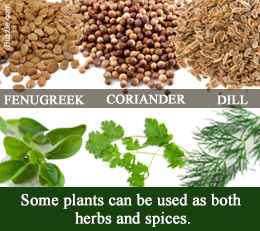
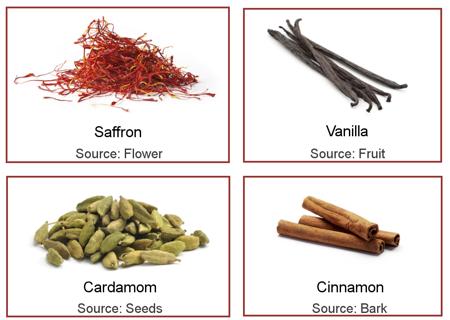
Though often used interchangeably, herbs and spices are botanically and culinarily distinct. Understanding the difference elevates your cooking and appreciation for these flavor powerhouses.
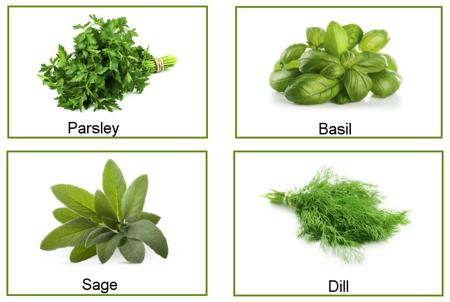
Basil, parsley, cilantro, mint, rosemary, thyme, oregano, sage, dill, chives. Fresh and dried forms differ in intensity—adjust amounts accordingly.
Both store well dried in airtight containers away from moisture. The spice trade shaped medieval economies. Today, herbs also feature in cosmetics, supplements, and alternative therapies. Fresh herbs and spices offer brighter flavor and aroma.
Fun Fact: Saffron (stigma of crocus flower) is the world's costliest spice; parsley is the most widely used culinary herb.
Next time you season, know whether you're reaching for an herb or a spice—it matters!
Plant Propagation: Taking Cuttings for New Growth
Air‑Drying Borage Leaves and Flowers for Tea and Potpourri
Grow Herbs in Containers: Sun, Soil & Water Solutions for Small Spaces
How to Grow Rosemary Herbs: Planting, Care, and Harvesting
How to Grow Herbs in the Caribbean: Tropical Climate Advantages
How to Grow a Culinary Herb Garden: Sun, Soil, Water, and Harvest Tips
How to Protect Plants from Frost: Covers, Cloches & Smart Strategies
The Herbs & Spices That Define Thanksgiving Flavor
Herbs vs. Spices: Differences in Plant Parts, Flavor, Storage & Cooking
Grow Herbs Indoors Year-Round: A Complete Guide
Copyright © www.100flowers.win Botanic Garden All Rights Reserved