


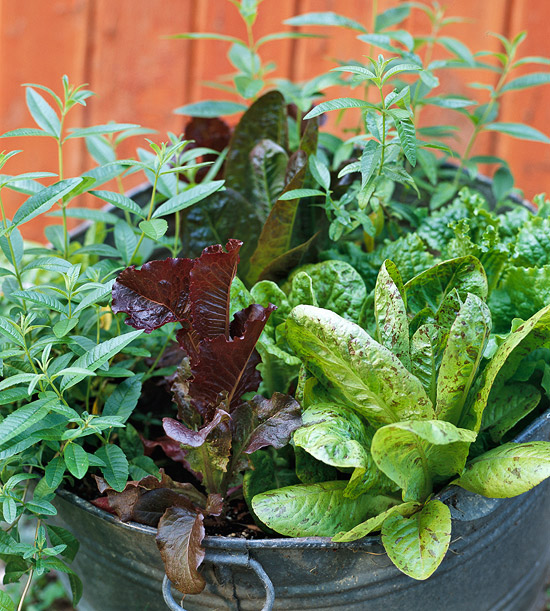
Snip regularly to encourage branching. Cut no more than ⅓ of stem length. Exceptions: chives and lavender—harvest flowering stems at ground level when blooming. Use fresh in cooking, bouquets, teas, or herbal baths.
Gather early morning after dew dries but before sun bakes essential oils. For leaves, cut at peak when flowers start forming. For flowers, harvest when fully open. For seeds, wait until heads mature and turn brown.
For cooking, strip leaves by sliding thumb and forefinger down the stem. Snip thicker leaves (parsley, bay, tansy) that don’t strip easily. If removing herbs before serving, use whole stems tied together.
Traditional method: gather 10–15 stems, bind with rubber band or twine, hang upside down in warm, airy, dark place (attic/basement). Dry 1–3 weeks. Strip crisp leaves, store in airtight jars. For seeds, place paper bag over heads, tie shut, label. Seeds drop into bag as they dry.
Store dried herbs in airtight glass/ceramic containers away from light and heat (never near stove). Keep leaves whole until use—crushing releases flavor. Use within one year.
Planting Your First Herb Garden: Location, Herb Selection, and Harvest Storage
Plan & Plant Your Own Herb Garden: Design, Layout & Care
Seed Saving Guide: Collecting, Cleaning, and Storing Seeds for Next Season
Growing from Seed: Why & How to Start Your Own Plants
Grow Delicious Vegetables in Your Own Backyard
A to Z Herb Garden: 26 Culinary and Medicinal Herbs to Grow
Planting Your First Herb Garden: Location, Selection, Harvest, and Storage
Grow Your Own Herb Garden: Save Money, Gain Flavor & Wellness
Herb Garden Troubleshooting: Expert Answers to Common Questions
Starting Seeds Indoors: A Step-by-Step Guide for Beginners
Harvesting & Using Fresh Herbs from Garden Beds & Containers
Best Shade-Tolerant Herbs for Your Garden
Monetize Your Vegetable Garden: 4 Practical Income Streams
Culinary Herb Garden: Fresh Flavors for Every Cuisine from Your Kitchen or Yard
Copyright © www.100flowers.win Botanic Garden All Rights Reserved