


Mexican cuisine's vibrant complexity arises from a sophisticated layering of indigenous Mesoamerican ingredients and post-Columbian introductions. This guide covers the foundational herbs and spices that define regional Mexican cooking, from everyday staples to specialty aromatics.
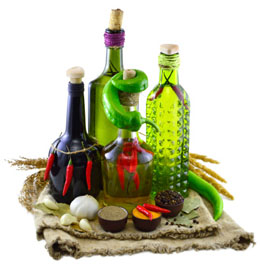
Fresh: Jalapeño, serrano, poblano, habanero, manzano.
Dried (each with distinct flavor, not just heat):
Chili powder blends vary regionally: some pure ground chiles; others add cumin, garlic, oregano, salt.
Fresh leaves (cilantro): Citrusy, soapy-to-some; essential for salsas, guacamole, tacos, soups, ceviche. Added at end—heat destroys flavor.
Seeds (coriander): Warm, citrusy; toasted and ground for moles, rubs, pickling.
Pungent, medicinal, petroleum-like aroma. Essential for black beans—reduces gas-causing oligosaccharides. Use sparingly (1–2 sprigs/pot); toxic in excess. No substitute.
Large, heart-shaped leaves with anise-sassafras flavor. Wraps for tamales, fish; flavors moles verdes, soups. Fresh only; loses potency dried.
Spearmint-type herb for teas, desserts, savory garnishes. Milder than peppermint.
Succulent, lemony green; cooked in stews, tacos, salads. High omega-3s.
Earthy, warm, slightly bitter. Toast whole seeds before grinding. Essential for: carne asada, chili con carne, taco seasoning, beans, rice. Balance for chile heat.
Distinct from Mediterranean oregano: citrusy, licorice, less pungent. 13+ varieties. Preferred fresh. Tomato-based dishes, marinades, pozole, menudo.
Ubiquitous. Fresh, roasted, fried, powdered. Base for salsas, adobos, soups.
White onion standard for raw salsas; yellow for cooking.
Pungent, antimicrobial. Sauces, pickles, marinades, beans.
Softer, sweeter than cassia. Desserts, atole, horchata, mole, savory stews.
Intense; used whole in stocks, ground in moles, dulces.
Licorice sweetness. Desserts, atole, pan dulce.
Achiote: Red seeds → yellow-orange color, earthy pepper flavor. Paste (recado rojo) for cochinita pibil, pollo pibil. Soak seeds; use water or paste.
Azafrán (safflower): Color only; no saffron flavor.
Tip: Buy whole spices; toast and grind fresh. Store in airtight containers away from light/heat. Replace annually.
Do Culinary Herbs Need Fertilizer? Organic Feeding Advice
Hydroponic Herb Gardens: Year-Round Fresh Flavor Indoors
Herbs vs. Spices: The Essential Differences Every Cook Should Know
Effective Herbal Remedies for Bronchitis Relief and Respiratory Health
Herbal Approaches for Rheumatoid Arthritis: Anti-Inflammatory and Analgesic Options
Low-Growing Herbs for Containers, Pathways, and Ground Cover
Creative Ways to Grow Herbs: Containers, Hedges, Ground Cover, and Tea Gardens
Herbs That Deter Slugs: Myth or Reality?
Harvesting Cat Grass Seeds for Continuous Supply
Cilantro and Dill Compatibility: Succession Planting Over Companion Myths
Companion Planting: Tomatoes, Cukes, Squash, and Herbs
Organic Gardening Solutions: Pest Control, Composting, and Family Involvement
Healing Properties of Common Medicinal Herbs: From Neem to Chinese Tonics
Top 10 Adaptogenic Herbs for Stress Resilience: Ashwagandha, Rhodiola, Holy Basil & More
Copyright © www.100flowers.win Botanic Garden All Rights Reserved