


Adults need 7–9 hours of sleep, but stress often disrupts it. While sleeping pills have side effects, several herbs promote restful sleep naturally—use moderately and consult a practitioner.
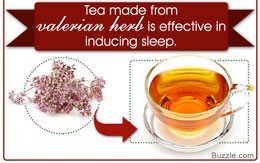
Clinically proven to improve sleep quality and help insomnia. Relieves spasms, aids digestion. Tea: steep 1 tsp root in warm water all day, strain, heat, drink before bed. Caution: CNS depressant—avoid regular long-term use.
Classic insomnia remedy; eases tension/anxiety. Steep covered (preserves oils); add honey. Dual action: best herb for anxiety and sleep.
Calming; reduces stress, induces sleep. Best combined with valerian. Tea: pour hot water over fresh leaves, steep, sip before bed. Good for occasional sleeplessness.
Sedative/tranquilizing without morning grogginess. Tea (steep leaves) or capsules. Drink before dinner. Also helps depression.
Relaxing, calming; helps insomnia, muscular pain, whooping cough. Tea or bath infusion (leaves in hot water).
Reduces anxiety, insomnia, restlessness. Folk remedy: fill pillow with hops for sound sleep.
Treats anxiety, depression, insomnia. Powder or capsules. High doses for deep sleep but risk of dependence—use cautiously.
Flower tea calms nerves; also helps menstrual issues, sensitive skin, weak stomach.
Growing a Successful Herb Garden: Site Selection, Care, and Variety Guide
Start a Successful Kitchen Herb Garden: Tailored to Your Cooking Style
Mastering Indoor Herb Gardens: A Complete Guide to Growing Fresh Herbs Year-Round
Grow a Kitchen Herb Garden: Fresh Flavor at Your Fingertips
6 Pro Tips for a Productive Herb Garden—Indoors or Out
Beginner's Guide to Starting a Home Herb Garden
Herb Gardening for Beginners: Essential Tools and Simple Steps
Hydroponic Herb Gardens: Year-Round Fresh Flavor Indoors
Herb Gardening 101: Culinary, Ornamental, and Medicinal Herbs
Step-by-Step Guide to Growing a Kitchen Herb Garden
Herbal Remedies for Children: Safe Herbs, Dosage & Precautions
Herb Care Guide: From Seed to Harvest
Copyright © www.100flowers.win Botanic Garden All Rights Reserved