


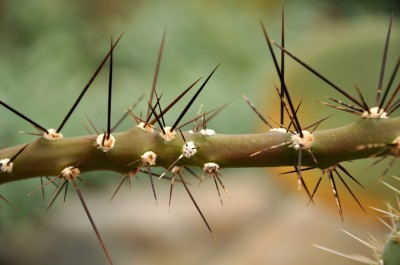
Many common garden plants — not just poison ivy — can cause rashes, burns, or allergic reactions. Sensitivity varies wildly; you often don't know until contact occurs. Learn the culprits, reaction types, and how to garden safely.
Contact your Extension office or poison control for a local toxic plant list. Smart gear and awareness prevent most problems.
Planting Tomatoes in the Garden: Techniques for Strong Roots and Heavy Yields
Achieve Your Most Beautiful Garden: Organic Strategies for Health and Savings
Create a Thriving Organic Garden: Essential Guide
Right Plant, Right Place: Smart Choices for a Thriving Garden
Skin-Irritating Plants: A Gardener's Guide Beyond Poison Ivy
Garden Highlighting Techniques: Uplighting, Downlighting, and Path Lighting
Reseeding Plants: Managing Self-Seeders for a Thriving Garden
Stress-Free Gardening: Enjoyable Techniques for Beautiful Results
Common Affiliate Marketing Pitfalls and How to Build a Sustainable Income
Garden Superstitions: The Evil Eye and the Black Thumb
Invasive Plants: Why to Avoid Exotic Species in Your Garden
Indicator Plants: Nature's Early Warning System for Garden Problems
Watering the Garden Right: When, How Much, and Best Methods
Fall Vegetable Garden: What to Plant and When for a Second Harvest
Copyright © www.100flowers.win Botanic Garden All Rights Reserved