


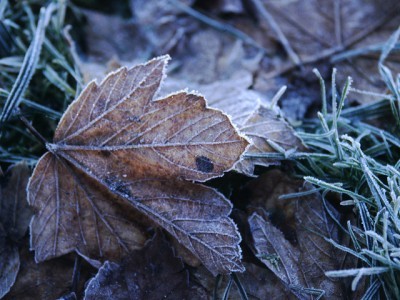
A light frost — air below 32°F, ground unfrozen — seems minor, but it can devastate tender plants. Tropicals, subtropicals, and young seedlings are especially vulnerable. Ice crystals form inside cells; when they thaw, they rupture membranes, causing irreversible damage.
Monitor forecasts religiously in spring and fall. A 10-minute cover job saves months of growth.
Minimum Artificial Light for Cape Sundew
UFO LED Grow Light: Compact, Efficient, and Powerful for Indoor Gardens
Botanical Gardens: Research, Conservation, and Education Centers
Parthenocarpy: Seedless Fruit Development Explained
Biennial Plants: Two-Year Life Cycle Explained
Frost-Tolerant Plants: Extend Your Garden Season with Cold-Hardy Flowers and Vegetables
Conifer vs. Husky Transplants: Species vs. Size Classification
Severe Pruning on Young Red Maple: Will It Recover?
Choosing a Low-Maintenance Large Houseplant for Your Apartment: Light Requirements and Top Species
Identifying a Spotted-Leaf, Creeping Plant: Likely Hypoestes (Polka Dot Plant)
Foxtail Palm Post-Freeze in Orlando: Spear Test for Life
Copyright © www.100flowers.win Botanic Garden All Rights Reserved