


Purple tulips have long been associated with royalty, luxury, and romance. Their rich, velvety hues—from deep violet to lilac—add elegance to spring gardens and floral arrangements. Discover the symbolism, top varieties, and planting tips for these regal flowers.
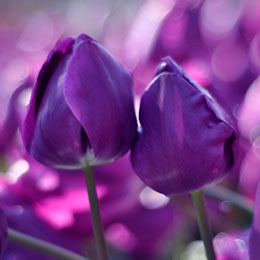
Purple has historically signified nobility, power, and serenity. In Shakespeare's Hamlet, Ophelia links purple to royalty. Today, purple tulips convey:
They are a favorite for wedding bouquets, centerpieces, and formal gardens.
Purple tulips appear in nearly every division. Standout cultivars include:
Pair purple tulips with white, yellow, or pink tulips for striking contrast. Since tulip foliage fades by early summer, interplant with perennials (e.g., hostas, daylilies) or annuals to fill the gap.
With their majestic color and classic form, purple tulips bring a touch of aristocracy to any spring landscape.
Slug-Resistant Tulips? No, But Effective Organic Bait Exists
Tulip Planting Timing: Fall Bulbs vs. Spring Potted Plants
Purple Birch Transplant Recovery: Addressing Wire Basket and Watering Mistakes
Purple Basil: Edible, Ornamental & Pest-Repellent
Propagating Purple Passion Plant After Pesticide Damage
Purple Passion Plant (Gynura) Care: Vining, Pinching, and Propagation
Growing Purple Velvet Plant (Gynura sarmentosa) Indoors
Protecting Tulip Bulbs from Squirrels in Ottawa
Forcing Tulips for Summer Bloom: Refrigeration Schedule for June–August Flowers
Setcreasea 'Purple Queen' (Purple Heart): Tender Trailing Plant for Zone 5
Copyright © www.100flowers.win Botanic Garden All Rights Reserved