


Anthurium andraeanum, the flamingo flower, stuns with waxy, heart-shaped spathes (modified leaves) in red, pink, white, or salmon surrounding a protruding spadix of tiny true flowers. Glossy, dark green, cordate leaves on long petioles complete this tropical epiphyte's elegant profile.
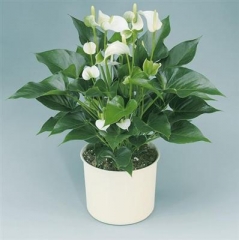
In nature, they grow in decaying organic matter on trees. Replicate with: loose, chunky, acidic mix—orchid bark, peat, perlite, charcoal. Roots need air.
Water when surface dry. Room-temp, soft water (hard water stains leaves). Mist leaves (not flowers) for humidity. High humidity preferred.
Bright, indirect light. No direct sun. Winter: ~18°C (64°F). Consistent warmth promotes bloom.
Spring–summer: monthly dilute orchid/bloom fertilizer or acid-loving formula. Foliar feeding beneficial.
Late summer/autumn. Divide clumps, cover stems/roots with sphagnum for humidity. Seeds possible but slow.
Calcium oxalate—irritating to pets/children.
Anthurium's long-lasting "flowers" (spathes persist 8+ weeks) and continuous bloom cycle make it a premier flowering houseplant.
Mature Poplar Progressive Decline: Internal Decay Management
Managing a Leaning Giant Cactus
Ocotillo Leaf Drop in Fall: Normal Drought Response, Not Drip Irrigation
Mushy Globular Cactus: Humidity + Poor Drainage = Fatal Rot
Diagnosing Hemlock Decline Without Photos: Key Questions to Ask
Anthurium (Flamingo Flower): Care, Varieties & Growing Secrets
Dipladenia (Mandevilla) Care: Tropical Vine for Summer Color
Identifying the "Japanese Begonia Tree" as Japanese Pagoda Tree
How to Propagate an Overgrown Anthurium: Pruning vs. Division
Rerooting a Broken Columnar Cactus
Anthurium Flowers Closing Prematurely
Anthurium in a Betta Vase? Better Choices for a Planted Betta Bowl
Thanksgiving Cactus Post‑Bloom Rest Period
Identifying a Hanging Cactus-Like Plant with Falling Branches
Copyright © www.100flowers.win Botanic Garden All Rights Reserved