


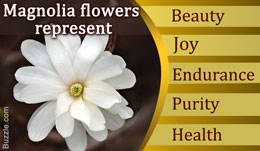
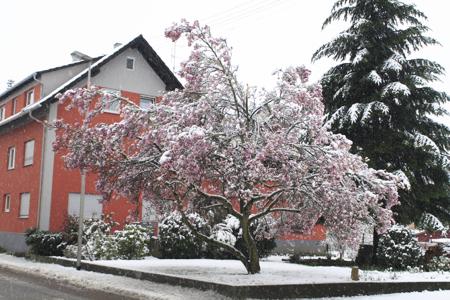
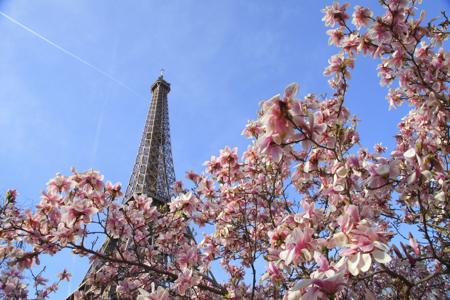
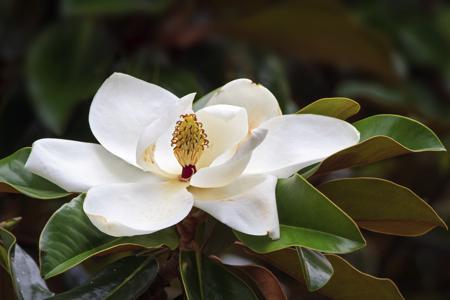
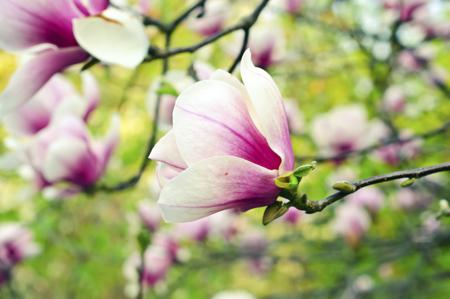
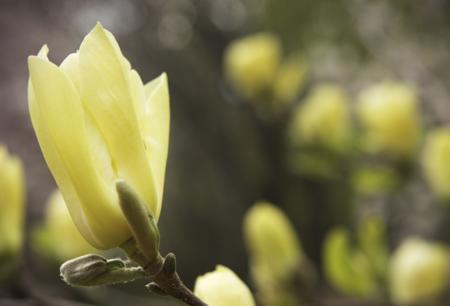
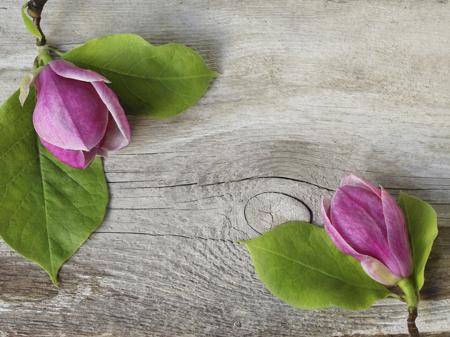
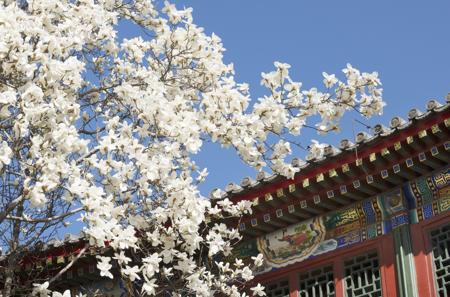
Magnolias, pollinated by beetles long before bees existed, are ancient (20-million-year fossils), tough, and breathtakingly beautiful. Their tepals (leaf-like petal structures) form 6–12 cup-like blooms in white, pink, mauve, peach, yellow, lavender, and purple.

French botanist Charles Plumier discovered it on Martinique (talauma), naming genus Magnolia after Pierre Magnol. English botanist William Sherard adopted the name.
Magnolias unite classic beauty with profound symbolic depth—a perfect choice for any meaningful occasion.
Unusual Annuals for All-Sun Window Boxes: Beyond the Six-Pack
Designing a Flower Garden: Beds, Colors, and Creative Containers
Anthurium (Flamingo Flower): Care, Varieties & Growing Secrets
Parrot Flower (Impatiens psittacina): The Rare "Flying Cockatoo" Bloom
Tuberose (Polianthes tuberosa): Growing the Queen of Fragrance
Carnation Flower Meanings by Color: Love, Rejection & Everything Between
Flower Color Meanings: What Every Hue Symbolizes
Birth Flowers by Month: Meanings, History, and Gift Ideas
Spectrum Magnolia: Vivid Pink Blooms on Broadly Oval Tree
Blanket Flower (Gaillardia): Long-Blooming, Butterfly-Friendly Color
Copyright © www.100flowers.win Botanic Garden All Rights Reserved