


Chrysanthemums, affectionately known as mums or chrysanths, have captivated flower enthusiasts for centuries with their dazzling variety of shapes, sizes, and colors. While many species produce white blooms reminiscent of English daisies, cultivation has yielded a spectacular palette ranging from golden yellows and deep purples to vibrant reds. Beyond their ornamental beauty, these perennial flowers carry profound symbolic weight across cultures and hold a special place in herbal traditions.
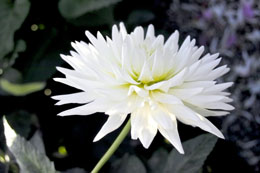
The name "chrysanthemum" derives from Greek roots: chrys meaning "golden" and anthemion meaning "flower." Swedish botanist Carolus Linnaeus, the father of modern taxonomy, formally named the genus. Originally golden-hued, selective breeding has expanded their color range dramatically. These flowers are classified by the arrangement of their disk and ray florets—the longer ray florets encircle the central disk florets. Common forms include football mums, pompons, and spider daisies, all blooming on tall, slender stems that may bear single or multiple flowers.
In Japan, the chrysanthemum (kiku) is revered as a symbol of the imperial family and the nation itself. The orderly unfolding of its petals represents perfection. Buddhist monks introduced the flower around 400 AD, and emperors adorned their thrones with it. Today, Japan celebrates the Festival of Happiness (Kiku no Sekku) with elaborate exhibitions. A charming tradition holds that placing a single petal at the bottom of a wine glass promotes a long, healthy life.
Chinese culture values chrysanthemums for their life-giving energy. They feature prominently in traditional medicine, believed to restore vitality and treat various ailments. The flower's association with autumn and resilience makes it a symbol of endurance.
In the United States and Britain, chrysanthemums represent cheerfulness, optimism, and joy—making them popular for weddings, birthdays, and November birthdays (they're the November birth flower). They also mark the 13th wedding anniversary. Chicago even adopted the chrysanthemum as its official flower. However, a striking cultural contrast exists: in several European countries like Belgium and Austria, chrysanthemums are associated with death and used primarily in funeral arrangements.
Like many flowers, chrysanthemums convey specific messages through their hues:
Beyond gardens and bouquets, chrysanthemums shine in herbal teas and traditional remedies. Their petals flavor delicate infusions, while the flowers themselves inspire tattoos symbolizing joy, optimism, and a happy-go-lucky spirit. Whether adorning a celebration or steeped in a teacup, the chrysanthemum remains a flower of layered meanings—beauty intertwined with history, culture, and heartfelt symbolism.
So next time you encounter these magnificent blooms, remember: you're not just looking at a flower, but a living emblem of love, longevity, and the enduring human fascination with nature's artistry.
Potted Chrysanthemums Won't Rebloom Indoors
Unusual Annuals for All-Sun Window Boxes: Beyond the Six-Pack
Chrysanthemum Buds Browning in Central Florida: Fungus from Overhead Watering
Designing a Flower Garden: Beds, Colors, and Creative Containers
Anthurium (Flamingo Flower): Care, Varieties & Growing Secrets
Parrot Flower (Impatiens psittacina): The Rare "Flying Cockatoo" Bloom
Tuberose (Polianthes tuberosa): Growing the Queen of Fragrance
Daisy Flower Meaning: Symbolism, Types & Fascinating Facts
Carnation Flower Meanings by Color: Love, Rejection & Everything Between
Flower Color Meanings: What Every Hue Symbolizes
Creative Flower Girl Ideas: Beyond the Petal Basket
Birth Flowers by Month: Meanings, History, and Gift Ideas
Blanket Flower (Gaillardia): Long-Blooming, Butterfly-Friendly Color
Copyright © www.100flowers.win Botanic Garden All Rights Reserved