



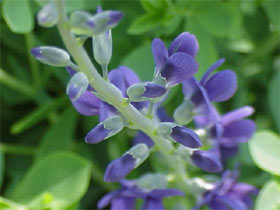

Growing Black-Eyed Susan Vine (Thunbergia)
Growing Black-Eyed Susan Vine (Thunbergia) Plant Black-Eyed Susan Vine in moist but well-drained, fertile soil in a sunny location. Use an all-purpose fertilizer monthly during the growing season. This South

Growing Rudbeckia (annual Black-eyed Susan)
Growing Rudbeckia (annual Black-eyed Susan) Pronunciation: rud-bek-ee-ahPlant annual Rudbeckias in average to dry garden soil or a well-drained potting mix. They tolerate drought and dry heat, but falte
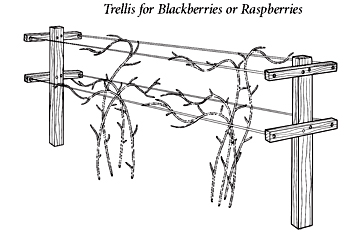
Growing Blackberries and Raspberries (Rubus)
Growing Blackberries and Raspberries (Rubus) Pronunciation: roo-busChoosing a site. Plant in full sun and in rich, well-drained soil. Avoid siting where wild brambles, fruit trees, Strawberries, Melons,
Planting and Growing Betula (Birch)
Planting and Growing Betula (Birch) Betula nigra Heritage thrives in full sun (or partial shade in the South and warm inland areas of the West) and in both damp and dry soils and everything in between. If yo
Growing Bergenia Pronunciation: ber-jenee-uh Bergenia blooms in April–May with clusters of pink flowers held above large, glossy, round to heart-shaped leaves. Plant is evergreen in zones
Growing Berberis (Barberry) Pronunciation: ber-ber-issBarberries, especially the Japanese varieties (B. thunbergii) are primarily grown for their ornamental foliage, fall color, and bright berries. The Commo
Growing Campanula (Bellflower)
Growing Campanula (Bellflower) Pronunciation: kam-panyew-luh Variable late spring through summer blooms in shades of blue, lavender, and violet predominate, but white and pink varieties are also av
Growing Belamcanda (Blackberry Lily)
Growing Belamcanda (Blackberry Lily) Pronunciation: bel-am-jan-dahPlant in well-drained soil. Do not remove spent flowers; they are succeeded by an attractive crop of black berries in fall.
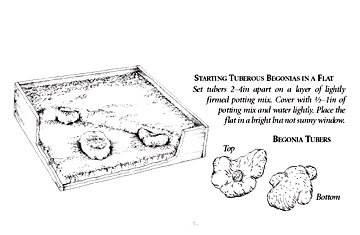
Begonia (Tuberous Begonias) Pronunciation: beg-ownee-uh Tuberous Begonias are frost-tender plants that thrive where they receive bright light but little or no direct sun. Given an early start, the
Growing Begonia Rex Cultorum Group (Rex Begonia)
Growing Begonia Rex Cultorum Group (Rex Begonia) Pronunciation: beg-ownee-uh Aptly named, these kings of the Begonia tribe display gorgeous foliage in wildly variable patterns, colors (including
Growing Begonia (Fibrous Begonia)
Growing Begonia (Fibrous Begonia) Pronunciation: beg-ownee-uh Fibrous Begonias are a diverse group known for their colorful flowers, compact shape, and rounded green, bronze, or varie
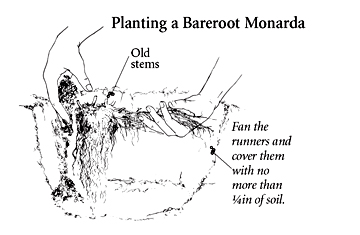
Growing Monarda (Bee Balm) Pronunciation: mo-narduh Plant Mondarda in full sun or partial shade. Grow in mosture-retentive soil. In dry conditions, Bee Balm is susceptible to powdery
Planting and Growing Bearded Iris
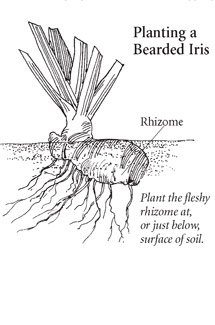
Planting and Growing Bearded Iris Flamboyant blooms on stately, splendid plants grace the garden in June. Bearded Irises are available in a veritable rainbow of colors, from vibrant primaries, to subtl
Growing Sweet Bay Plants (Laurus nobilis)
Growing Sweet Bay Plants (Laurus nobilis) Sweet Bay (Laurus nobilis) reaches a height of 40 feet in its native Mediterranean reqion. However, Bay trees are slow growers and if grown in containers, they can b
Growing Basil (Ocimum) Basil (Ocimum basilicum) is an easy-to-grow tender herb that likes a warm, sunny site with good air circulation. It is sensitive to frost and cold, so wait until the soil and air has w
Growing Baptisia (Wild Indigo)
Growing Baptisia (Wild Indigo) Pronunciation: bap-tizee-uh These substantial plants are very long-lived and vigorous. Initially a bit slow to establish, Baptisias are also tough and drought
Growing Fargesia (Non-running Bamboo)
Growing Fargesia (Non-running Bamboo) Pronunciation: far-jeez-ee-ahSpacing: 3–12´Fargesias are non-invasive, clumping Bamboos that do not need to be contained. They make attractive specimens, hedges, or scre
Growing Gypsophila (Baby's Breath)
Growing Gypsophila (Baby's Breath) Pronunciation: jip-soffill-uh Plant in full sun and well-drained soil. Gypsophila means lime-loving. If your soil is more than slightly acid, mix a handful o
Growing Azalea (Topiary & Rozalea Houseplants)
Growing Azalea (Topiary & Rozalea Houseplants) Light: Place your potted Azalea where it will receive 6-8 hours of sun in winter (a spot next to a south-facing window is best). From April to September, pr
Growing Astrantia (Masterwort)
Growing Astrantia (Masterwort) Prefers evenly moist soil. Ample moisture and protection from afternoon sun is required in the South and warm inland areas of the West.
Copyright © www.100flowers.win Botanic Garden All Rights Reserved