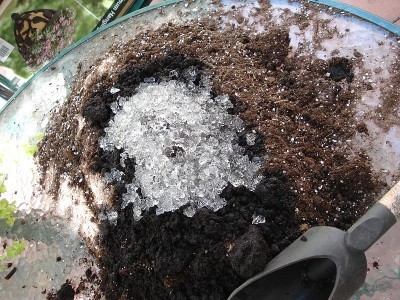
Water retention crystals (hydrogels, polymer crystals, moisture beads) promise to cut watering in half. Marketing claims 300–400x water absorption, 3-year lifespan. University research shows mixed results. Here's the evidence-based reality on hydrogels.
What Are Hydrogels?
- Synthetic polyacrylamide or potassium polyacrylate polymers.
- Dry: sugar-crystal size. Hydrated: gelatinous spheres (pea to marble).
- Absorb 200–400x weight in water. Release slowly as soil dries.
- Same tech in diapers, sanitary pads, medical wound dressings.
- Break down over 1–5 years (UV, microbes, salts accelerate).
Do They Actually Work? The Research
| Claim | Research Reality |
|---|
| Reduce watering frequency | Modest: extends interval 1–2 days in heat. Not "weeks." |
| Improve plant growth | Inconsistent. Some studies show benefit; others show reduced growth (root zone oxygen displacement). |
| Conserve water | Minimal total savings. Water still used—just held temporarily. |
| Last 3+ years | 1–2 seasons typical in outdoor containers (UV, heat, salts). |
University Findings (Arizona, Florida, Cornell)
- Hydrogels can interfere with soil water-holding capacity at high rates.
- Best in coarse, low-organic mixes (cactus/succulent, seed starting).
- Less effective in rich, compost-heavy mixes (already hold water well).
- No substitute for proper container size, mulch, drip irrigation.
Safety Concerns
- Acrylamide monomer: Neurotoxin, probable carcinogen. Present in trace amounts (<0.05%) in quality hydrogels. Degrades in soil.
- Environmental persistence: Microplastic pollution concern. Fragments don't biodegrade fully.
- Food crops: No regulatory approval for edibles. Avoid in vegetable/herb containers.
- Skin/eye irritation: Dry powder. Wear gloves, mask when mixing.
When Hydrogels Make Sense
- Vacation watering bridge: 3–7 day absences. Not longer.
- Hard-to-reach containers: Hanging baskets, wall pockets, rooftop.
- Coarse, fast-draining mixes: Cactus, succulent, orchid, seed starting.
- New transplants: Reduces transplant shock during establishment.
- Extreme heat events: Buffer for 1–2 days of neglect.
When to Skip Them
- Vegetable/herb/fruit containers (safety unproven).
- Large beds/ground (cost-prohibitive, unnecessary).
- Rich, organic potting mixes (already hold water).
- Long-term perennial containers (degrade, accumulate).
- Organic certification (synthetic polymer prohibited).
How to Use If You Choose To
- Rate: 1–2 tsp dry crystals per gallon soil (follow label—more ≠ better).
- Pre-hydrate: Soak crystals 30 min, drain excess, mix into soil. Dry crystals pull water from roots.
- Distribute evenly through root zone, not just bottom.
- Monitor: They mask soil moisture feel. Use moisture meter.
- Replace: Refresh at repotting (1–2 years).
Better Alternatives for Water Management
- Larger containers (more soil volume = more water reservoir).
- Quality compost-rich mix (organic matter holds 10x weight in water).
- Mulch (2–3" straw, wood chips, leaves).
- Drip irrigation + timer (precise, consistent, automated).
- Self-watering containers (reservoir + wicking).
- Group pots (mutual shade, humidity).
- Saucer reservoirs (catch drainage, reabsorb).
Hydrogels are a band-aid, not a solution. They help in specific, short-term scenarios but introduce synthetic polymers into your growing environment. Invest in better containers, soil, and irrigation instead.
Copyright © www.100flowers.win Botanic Garden All Rights Reserved


