


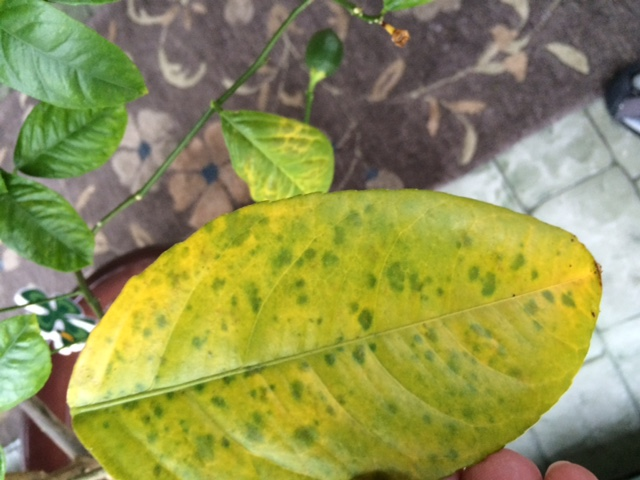
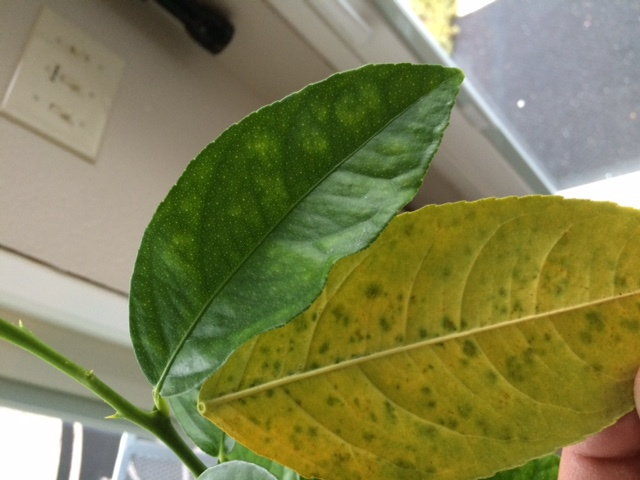
Growing citrus in containers indoors can be rewarding, but it comes with challenges—especially in cold climates like Montana. A gardener reported gradual leaf discoloration on both a dwarf Meyer lemon and a dwarf lime tree, along with significant fruit drop. The trees, about three years old, had been kept indoors year-round and fertilized twice yearly with a citrus/avocado formula. Mites on the lemon were managed with neem oil.
Citrus trees need to be moved up to larger containers as they grow. Staying in the same pot for years leads to root binding, nutrient depletion, and poor water retention. Repot into the next size up (e.g., 10-inch to 14-inch) using a high-quality potting mix amended with coarse wood chips to improve drainage and aeration.
Allowing the soil to dry out completely stresses the tree and causes fruit drop. Water when the top inch of soil feels dry, but never let the pot sit in standing water. Consistent moisture is critical during flowering and fruit set.
Even in Montana, citrus benefit greatly from being outdoors when nighttime temperatures stay above 34°F (1°C). Outdoor exposure increases light intensity, improves air circulation, and allows natural predators to control pests. Gradually acclimate trees to full sun over 7–10 days to avoid leaf scorch. Before bringing them back inside, inspect thoroughly for hitchhiking pests and treat if necessary.
Neem oil is a valid organic miticide, but check labels—some formulations contain synthetic additives. If mites persist, consider alternating with horticultural oil or insecticidal soap. The discoloration may also indicate nutrient deficiencies (especially nitrogen, iron, or magnesium) exacerbated by high pH in potting mixes.
Switch to a slow-release citrus fertilizer with micronutrients, applied at the recommended rate for container plants. Foliar feeding with a seaweed or fish emulsion extract can provide a quick boost. Avoid over-fertilizing, which can burn roots and worsen leaf issues.
After repotting and adjusting care, monitor new growth. Healthy new leaves should be deep green. If discoloration persists, consider a soil test or consult a local extension service for a precise diagnosis.
With consistent care, proper container sizing, seasonal outdoor time, and balanced nutrition, your dwarf citrus can recover and produce quality fruit.
Why Meyer Lemon Fruits Turn Black and Hard in Containers
Webs on Indoor Meyer Lemon: Spider Mites, Scale, or Mealybugs?
Dwarf Meyer Lemon Container Care: Watering, Fertilizer, and Pest Management
Indoor Dwarf Meyer Lemon Spider Mites: Neem Oil as Miticide Solution
Meyer Lemon Immediate Fruit Yellowing: Post-Bloom Fruit Drop
Aphid and Ant Infestation on Meyer Lemon: Identification and Control
Meyer Lemon Decline: Yellowing Leaves and Branches in Arizona
Dwarf Meyer Lemon Losing Leaves After Moving Indoors
Cobwebs on Meyer Lemon: Spider Mites or Beneficial Spiders?
Dwarf Citrus in Containers: Yellowing, Curling Leaves in Phoenix Heat
Growing Citrus from Seed: What to Expect from Dwarf Lemon and Lime
Copyright © www.100flowers.win Botanic Garden All Rights Reserved