


Creating a wildlife-friendly garden that attracts butterflies and hummingbirds is a wonderful goal, especially when your property borders a pond. However, the abundant wildlife often includes deer that can devastate flowering plants like lilies and phlox before they even have a chance to bloom.
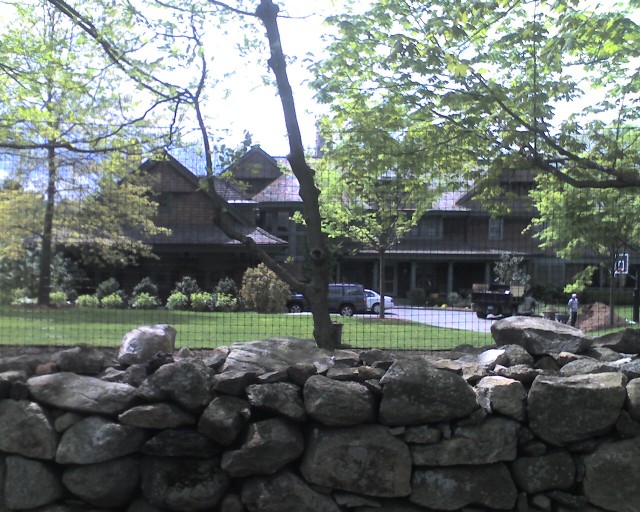
Low Visibility Deer Fence
The most reliable solution is installing a proper deer fence. A vertical fence needs to be at least 8 feet high to effectively exclude deer. These systems are available in kit form and typically include coated metal or aluminum posts, tension wire, a gate, braces, and landscape staples.
Key installation considerations:
A slanted fence angled 30-45 degrees away from the protected area can be effective at only 5 feet high. Deer's poor depth perception prevents them from attempting to cross, even though they physically could. These can also be electrified for added deterrence, and existing wooden fences can be retrofitted with this system.
With proper fencing, you can enjoy your butterfly and hummingbird garden without sacrificing your lilies and phlox to hungry deer.
Nighttime Flower Damage: Deer, Not Groundhogs
What's Eating My Bearded Iris? Identifying and Stopping the Damage
Protecting 70 Hostas from Deer: Homemade Repellents and Realistic Expectations
Deer Eating Roses: Homemade Repellent Sprays and Strategies
Should You Eat Herbs Treated with Fungicide? A Cautious Perspective
Outdoor Bulb Planters: When to Seek Local Expertise for Calla Lilies and Tulips
Stopping Rabbits and Deer from Eating Pansies: Spray Repellents That Work
Dividing Creeping Phlox and Fiddle Leaf Ferns: Best Times for Zone 4 Gardens
Water Lily Eaten by Red-Eared Slider, Not Fish
Deer vs. Seedlings: Protecting Your Garden from Browsing Damage
Protecting Herbs From Rabbits: Elevated Containers Work Best
Copyright © www.100flowers.win Botanic Garden All Rights Reserved