
Repotting Anthuriums: Skip the Stones, Use a Coffee Filter
Repotting an anthurium? Dont add stones to the pot bottom—it actually harms the plant by reducing the just right moisture zone. The Science Potted soil has three moisture zones: too dry (top), just right (middle), too w

Walnut Mulch Toxicity: Juglone Damage to Garden Vegetables
Fresh shredded mulch from a power-line crew may have contained walnut chips, which release juglone toxic to tomatoes, cukes, eggplants. Even without walnut, thick fresh mulch can harm roots with raw sap. This year’s gard
Collecting and Germinating Japanese Maple Seeds
Maple seeds need 3 months cold stratification, but try sowing a dozen now in a shady pot. Store rest cool/dry. In October, sow 1″ apart, ½″ deep in shade, cover with chicken wire. Transplant strongest seedlings to mornin
Herbicide Residue After Ivy Removal: Test with Radishes Before Planting Vegetables
Most weed killers dissipate within six months. To test, till the area and sow radish seeds in shallow rows. Normal radish growth indicates safe conditions for vegetables.
Dodder: Parasitic Vine That Strangles Garden Plants
Orange, spaghetti-thin vines without roots are dodder (Cuscuta), a parasite. It wraps hosts, taps their vascular tissue, then loses ground connection. Control: pull and destroy all infected plants immediately; monitor ne
African Violet “Neck”: Repot Every Six Months to Cover Bare Stem
Lower leaves drop over time, exposing a bare stem. Every six months, remove bottom half-inch of rootball, reset in pot, and add soil up to lowest leaves. The buried stem will root.
Pruning Arborvitae: Severe Cuts Lead to Permanent Bare Spots
Needled evergreens like arborvitae don’t regrow from old wood. Cutting back 6 feet will leave permanent gaps. Better to replace with a boxwood or holly that tolerates shaping.
August Buzzing: May Beetles Feeding in Tree Canopies
Morning buzzing in August is likely May beetles (Phyllophaga spp.) feeding on oak, hickory, poplar, crabapple leaves. Their C-shaped grubs damage grass roots in early summer. Shine a flashlight to spot them. Grub control
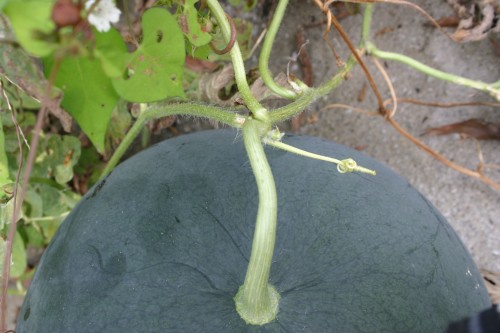
Judging Watermelon Ripeness: Watch the Tendril, Not the Size
Watermelons ripen slowly if leaf-to-fruit ratio is low—remove some fruit to concentrate energy. The tendril opposite the fruit stem turns yellow/brown when ripe. Details at “When to Harvest Fruits and Vegetables.” unrip
Using Old Azalea Fertilizer: Wait Until February for Safe Application
Four-year-old azalea fertilizer is fine but apply in February when plants are actively growing. Fall feeding risks tender growth before frost. Pulverize lumps and follow label rates.
Finding Rotenone Insecticide: Often Combined with Pyrethrin
Rotenone, derived from tropical roots, has been used for centuries. Today it’s usually blended with pyrethrin for balanced environmental impact. Find it at organic gardening suppliers locally or online.
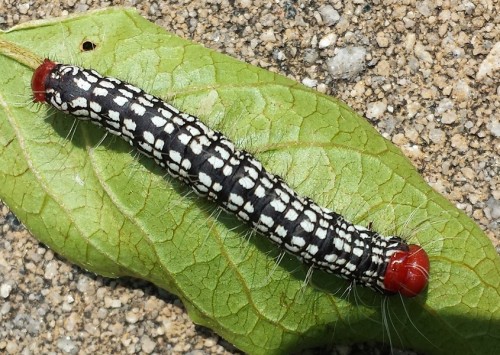
Azalea Caterpillars: Red-Headed Defoliators Controlled by Bt
Azalea caterpillar (Datana major) clusters on limb tips in autumn, making a “C” shape when disturbed. They defoliate random branches but won’t kill the plant. Spray with Bacillus thuringiensis (Bt) or wait for hornets an
Fast-Growing Groundcovers for Sun and Shade
Shade: Lenten rose or mondo grass. Sun: spreading juniper, purple euonymus. More options at xrl.us/groundcover.
Best Time to Plant Camellias: Mid-September to Mid-November
Fall planting (mid-Sept to mid-Nov) gives warm soil for root growth and cool air reducing water needs. Loosen soil 3–6 times rootball width. Water deeply every 2–3 weeks in Dec–Mar since camellias are evergreen.
Raccoons at Bird Feeders: They Won’t Starve If You Stop Feeding
Six raccoons visiting a yard with bird feeders. They are highly adaptable and will find other food. Feeding raccoons invites rabies risk—never a good idea.
Preventing Tomato Fusarium Wilt Recurrence: Sanitize Supports and Choose Resistant Varieties
Fusarium wilt lives in soil, but sanitize cages and red plastic mulch trays by washing thoroughly and sun-drying. Plant resistant varieties labeled “VFN.”
Moths in Hanging Ferns: Caterpillars Are the Real Culprits
Small white moths don’t eat leaves—their caterpillars do. High moth numbers this fall include webworms, armyworms, etc. Spray ferns with any garden insecticide; cold nights below 60°F will end the infestation.
Ten Distinctive Native Plants for Boy Scout Identification
Suggested list: poison ivy, Virginia creeper, white oak, southern red oak, sweetgum, dogwood, loblolly pine, red maple, tulip poplar, Christmas fern, goldenrod, American euonymus, Joe Pye weed, sumac. All are distinctive
Getting Spinach Seeds to Sprout: Pre-Chill and Time Planting
Spinach germinates best at 50–55°F soil temp. In south Georgia, try pre-sprouting: alternate damp paper towel in fridge/out for 4 days, then plant in shade. Mulch lightly with straw for winter survival. Malabar spinach i
Shademaster Locust: Pros, Cons, and Alternative Fast Shade Trees
‘Shademaster’ thornless honeylocust tolerates urban conditions, has small leaflets that rarely need raking, and sometimes shows yellow fall color. It’s created by grafting a thornless bud onto native rootstock. For more
Copyright © www.100flowers.win Botanic Garden All Rights Reserved