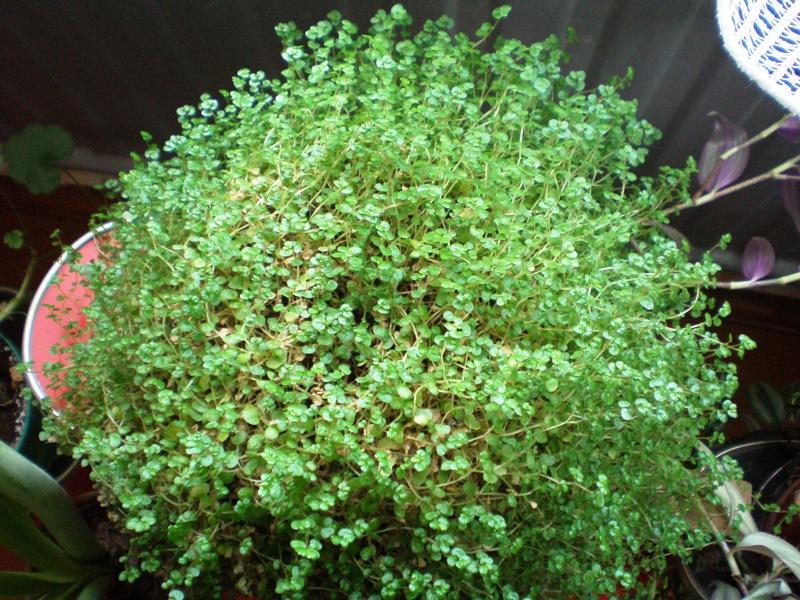
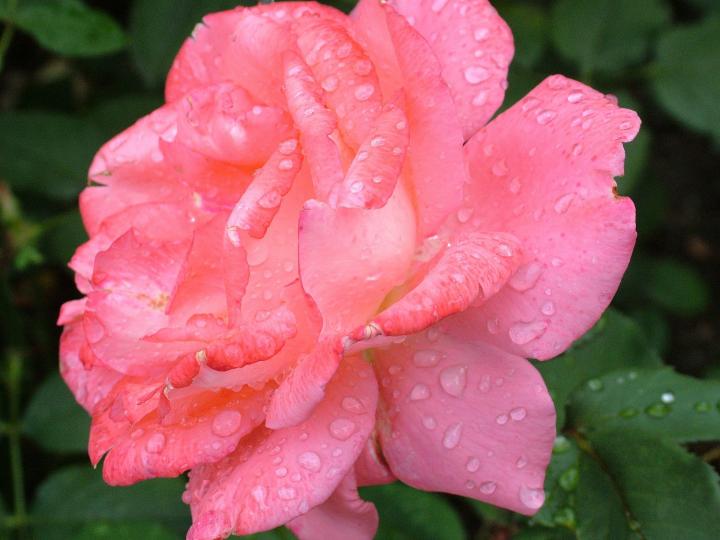


Seemannia sylvatica (Gloxinia sylvatica): Tropical Houseplant
Gloxinia sylvatica is a tropical houseplant in Georgia. See Daves Garden for care.

Leaves on Overseeded Fescue: Mow or Blow
If sprouts need mowing, mulch leaves with mower. If thin, blow off. Gentle raking okay if soil not wet. Key: prevent leaf mat shading grass.
Dead Tree Removal: Pull, Don't Dig Roots
Easier: dig on side away from fall direction, rope high, pull down. Cut up on ground. Replant in same spot—no need to remove roots.
Leaves on Newly Seeded Fescue: Blow Them Off
Leaves shade tender seedlings. Use a blower (or neighbor kid) to remove leaves gently. Dont rake wet soil—compaction hurts roots. See WalterReeves.com.
Muscari (Grape Hyacinth) Early Sprouting: No Worries
Muscari leaves are cold-hardy in Atlanta. Early November sprouting is normal; leave alone for March blooms.
Winter Watering of Fescue: Not Needed
Established fescue needs no winter watering unless newly seeded (then only 1-2 weeks). Stop watering in freezing conditions.
Rubber Mulch: Stable but Doesn't Feed Soil
Dyed rubber mulch is stable and less dusty, but doesnt decompose to enrich soil. Ohio State tests show it ignites easily—unsuitable for playgrounds. Not recommended for home landscapes. See EASE OF IGNITION OF 13 LANDSC
Currants in Georgia: Not Recommended
Currants (Ribes spp.) are not heat-tolerant enough for Georgia; they thrive in cooler climates. The childhood memory may be of a different berry.
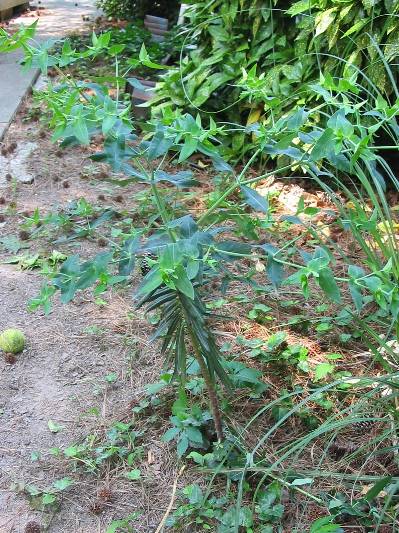
Gopher Spurge (Euphorbia lathyris): Biennial Weed
Gopher spurge (Euphorbia lathyris) has distinct lower and upper leaves. Its a biennial weed; remove before seeding. See Gopher Spurge.
Green Ash for Southern Landscapes: Proceed with Caution
Green ash (Fraxinus pennsylvanica) is rated Zones 3-6; southern-sourced trees may adapt better. Ash decline is a concern. Plant if available, but monitor.
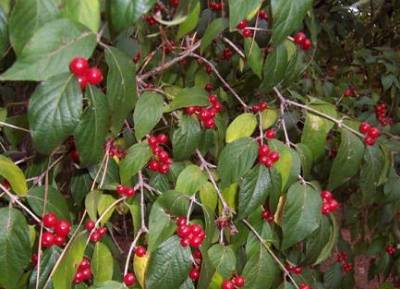
Amur Honeysuckle: Invasive Shrub to Remove
Amur honeysuckle (Lonicera maackii) is as invasive as privet. Birds spread seeds. Pull small plants; cut large ones and paint stumps with glyphosate. The Honeysuckle Popper tool works for this and privet.
Bats on Attic Louvers: Exclude with Plastic Sheeting
Spray with water on a warm day to temporarily displace bats. Then staple sheet plastic above and beside each louver, leaving 2 feet hanging loose. Bats hit plastic and slide off. Remove plastic in winter.
Crowder Peas vs. Purple Hull Peas: Different Traits
Crowder peas are crowded in the pod; purple hull peas have purple pods. They are distinct types of Southern peas.
Duck Potato (Sagittaria): Lakeshore Invasive Control
Duck potato (Sagittaria) spreads aggressively in riprap. For control info, see Duck Potato resources. Eraser-AQ (glyphosate aquatic formulation) may be used per label.
Luffa Gourds: Timing for Maturity Before Frost
Luffa needs 90 days to mature. Plant late April. Cover vines with sheets for early frost protection. Only the oldest fruits will mature; bring immature ones in—they wont ripen off the vine. See Growing Luffa.
Calcium Chloride for Dust Control: Risky for Fescue
Calcium chloride dampens soil by absorbing atmospheric moisture, reducing dust. But it may harm fescue. Better: overseed fescue now and water to establish—solves dust and improves lawn.
Planting Balled-and-Burlapped Trees: Remove All Burlap
Always remove burlap completely—its often treated to resist rot and inhibits root growth. Place tree, then cut away all accessible burlap and wire cage (use bolt cutters if needed). See Do I Remove Root Balls?
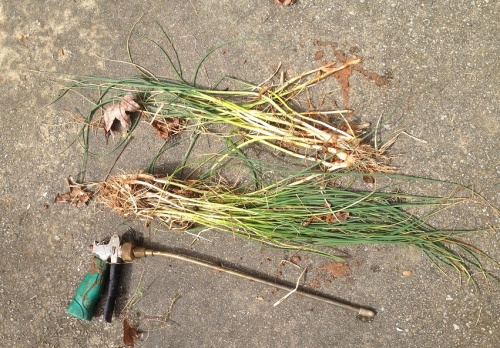
Water-Powered Weeder: Tool for Deep-Rooted Weeds
The water-powered weeder attaches to a hose, jets water to loosen soil around taproots (nutgrass, dandelion, wild onion). Available at Lee Valley Tools.
Tree Identification Tags for School Grounds
Use numbered aluminum disks (from Forestry-Suppliers.com) attached to trees. Create a key map for students and visitors.
Coast Redwood vs. Dawn Redwood in Atlanta
Coast redwood needs coastal fog; wont survive here. Dawn redwood (Metasequoia glyptostroboides) thrives in Atlanta with summer moisture, grows 80-100 ft, deciduous, beautiful form. Plant well away from house.
Copyright © www.100flowers.win Botanic Garden All Rights Reserved