


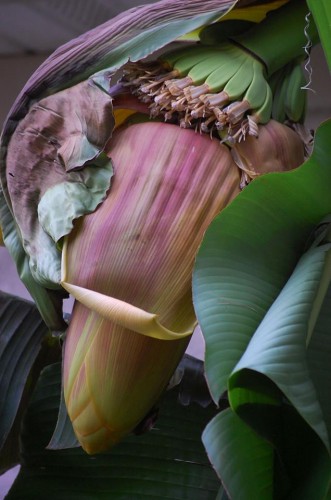
Seeing a banana "bloom" (actually an inflorescence) and tiny fruit in early November is exciting, but in most of Georgia, the growing season is too short for the fruit to mature. Bananas need 8–9 months of warm weather to flower and another 12 frost-free months for fruit to ripen.
Yes! The fruit is not poisonous. You can harvest the hands (clusters) once they show a hint of yellow and feel plump. The bananas may be seedy or seedless depending on the variety. Taste a few—if they're palatable, enjoy them fresh or cooked. If not, they're still great for compost.
Since the main stalk dies after fruiting, cut it to the ground after harvest. Protect the rhizome (underground stem) with a thick layer of mulch (12–18 inches of straw or leaves) to survive winter. New shoots (pups) will emerge in spring. In colder zones, consider growing bananas in large containers that can be moved indoors.
Fall Fertilizing After Seeding: Wait Until Spring
Flowering Banana Shrub (Michelia figo): Sweetly Scented Blooms for Your Home
Orchid Care After Flowering: How to Trigger Reblooming Successfully
Grow Your Own Bananas Indoors: Review of the Indoor Banana Tree Kit
Composting Banana Peels: Fast Nutrients for Your Garden
Flowering Banana (Musa ornata): Ornamental Bronze Beauty
Composting Banana Peels: Boost Your Garden with This Kitchen Waste
The Banana's Global Journey: From Ancient Plantains to Modern Cavendish
All About Banana Plants: History, Varieties, Growth Cycle & Nutrition
Turn Fall Leaves into Garden Gold with a Leaf Shredder
6 Deer-Resistant Flowering Vines for Fall Planting
9 Deer-Resistant Flowering Shrubs for Fall Planting
7 Deer-Resistant Flowering Trees for Fall Planting
The Enticing Garden: How to Grow Bananas for Flavor, Beauty, and Tropical Flair
Copyright © www.100flowers.win Botanic Garden All Rights Reserved