


Roses (*Rosa*, family Rosaceae) have 100+ species, most Asian, some European/North American. Fossils date back 35 million years. Beyond beauty, they're biochemical powerhouses.
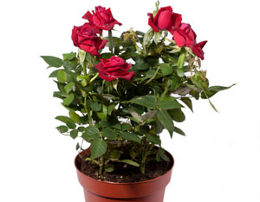
From molecular structure to mythic resonance, the rose is a marvel of nature and culture.
Crystal Roses and Fascinating Rose History
Spider Flower (Cleome hassleriana) Fast Facts: Height, Bloom, and Growing Zones
Daisy Flower Facts: Symbolism, Growth, and Care
Marigold Flower Facts: Complete Guide to Tagetes Species
Why the Rose Is New York's State Flower: History, Symbolism & Trivia
Petunia 'Madness Rose': Elegant Rose with Maximum Blooms
Confederate Rose Hibiscus: Flowers That Change Color Through the Day
Flower Carpet® Appleblossom Groundcover Rose – Blush Pink Blooms
Flower Carpet® Coral Groundcover Rose – Bright Coral Ruffled Flowers
Flower Carpet® Pink Groundcover Rose – Brilliant Pink Blooms
Flower Carpet® Red Groundcover Rose – Velvety Carmine Blooms
Flower Carpet® Scarlet Groundcover Rose – Brilliant Scarlet Blooms
Flower Carpet® White Groundcover Rose – Sparkling White Blooms
Flower Carpet® Appleblossom Groundcover Rose: Blush Pink Blooms with Extra‑Long Season
Copyright © www.100flowers.win Botanic Garden All Rights Reserved