


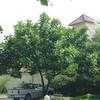
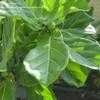
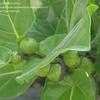
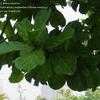
The fiddle leaf fig has become the darling of interior design with its huge, violin-shaped, heavily veined leaves on a slender trunk. Native to West Africa, Ficus lyrata can grow into a substantial indoor tree. Its bold foliage makes a dramatic architectural statement.
It's finicky: needs bright, indirect light (no direct sun), consistent moisture (not soggy), high humidity, and stability—it hates being moved. Leaf drop is common with stress. Wipe leaves regularly. Fertilize monthly in growing season. Repot annually when young.
Use a humidifier. Rotate weekly for even growth. Stake if leaning. Cultivar 'Bambino' is more compact. It's an air purifier but toxic to pets.
| Family: | Moraceae (mor-AY-see-ee) |
| Genus: | Ficus (FY-kus) |
| Species: | lyrata (ly-RAY-tuh) |
| Synonym: | Ficus pandurata |
Fiddle Leaf Fig New Growth Brown: Check Watering and Light
Fiddle Leaf Fig: Why NOT to Repot a Thriving Plant
Fiddle Leaf Fig Brown Edges: Overwatering Once Isn't Root Rot
Fiddle Leaf Fig Root Rot: Drainage and Patience
Fiddle Leaf Fig Care: Light, Watering, and Aerial Roots
Fig Tree White Foam and Leaf Eating: NEEM Spray
Fig Leaf Diversity: 800 Species, Many Shapes
Fiddle Leaf Fig Brown Spots: Light and Water Fixes
Sunburned Fiddle Leaf Fig: Hard Prune in Spring for Bushy Recovery
Fiddle Leaf Fig Leaf Drop: Light and Watering Check
Fiddle Leaf Fig Seasonal Leaf Drop: Normal Winter Shedding
Fiddle Leaf Fig (Ficus lyrata) Lower Leaf Loss: Tree Habit, Not Shrub
Copyright © www.100flowers.win Botanic Garden All Rights Reserved