


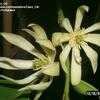
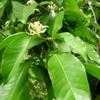
White champak, also called joy perfume tree or white sandalwood, is a hybrid magnolia (Magnolia × alba) revered for its intensely fragrant, creamy-white flowers. Native to Southeast Asia, it is a cornerstone of traditional perfumery and temple gardens.
| Family: | Magnoliaceae |
| Genus: | Magnolia |
| Species: | × alba |
| Synonym: | Michelia × alba |
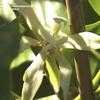
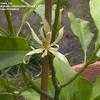
This evergreen tree grows 30–50 feet tall with a straight trunk and dense canopy. Its leaves are large, elliptical, and glossy green. The flowers are solitary, cup-shaped, with numerous tepals, and emit a powerful, sweet fragrance that intensifies at night. Blooming occurs intermittently throughout the year in tropical climates.
White champak thrives in tropical to subtropical climates with high humidity and well-drained, slightly acidic soil. It prefers full sun to partial shade. The flowers are harvested for essential oil used in high-end perfumes and religious offerings. In gardens, it serves as a magnificent specimen tree.
In many Asian cultures, the tree is planted near temples and homes for its spiritual and aromatic qualities.
Crabapple Leaf Drop After Heavy Rain: Temperature Shock or Slugs?
White Birch Buds Fail to Open: Cold Snap Damage
White Powder on Birch Leaves: Powdery Mildew or Insects?
White Spots on Gum Tree: Likely Harmless, But Check for Scale Insects
Transplant Shock in Oversized White Pines: Root Stimulation?
White Patches on Lemon Leaf in Chameleon Enclosure: Safe Treatment
Resolving White Fungal Growth on Pine Trees Caused by Overwatering
Thinning White Pine: Fertilization for Needle Density
White Birch Bark Peeled by Child: Likely Fine, Watch for Borers
Why Topping White Spruces Is Destructive—and Better Alternatives
Oak Galls: Species-Specific, Not a Health Threat
Lichens vs. Decay Fungi on Oak: Distinguishing Harmless from Hazardous
Copyright © www.100flowers.win Botanic Garden All Rights Reserved