


Lead tree, or white tamarind, is a fast-growing tropical legume tree native to Central America, widely planted for fodder, fuel, green manure, and reforestation, but invasive in many regions.

| Family: | Mimosaceae |
| Genus: | Leucaena |
| Species: | leucocephala |
| Synonym: | Leucaena leucocephala subsp. leucocephala |
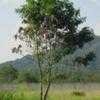
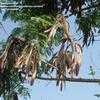
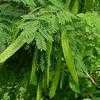
This evergreen tree grows 20–30 feet tall with a open crown. Leaves are bipinnate, feathery. Flowers are white, in globose heads. Fruit is a flat, brown pod in clusters. It fixes nitrogen.
Lead tree thrives in poor soils, drought, and heat. However, it is listed among the world's worst invasive species, forming dense thickets that displace natives. The variety leucocephala is weedy; the subspecies glabrata (giant leucaena) is less so but still spreads. Use with extreme caution.
High-protein fodder for ruminants (but toxic to non-ruminants due to mimosine), firewood, charcoal, shade for coffee/cocoa.
Transplant Shock in Oversized White Pines: Root Stimulation?
White Patches on Lemon Leaf in Chameleon Enclosure: Safe Treatment
Resolving White Fungal Growth on Pine Trees Caused by Overwatering
Thinning White Pine: Fertilization for Needle Density
White Birch Bark Peeled by Child: Likely Fine, Watch for Borers
Why Topping White Spruces Is Destructive—and Better Alternatives
Lichens vs. Decay Fungi on Oak: Distinguishing Harmless from Hazardous
Why Your Dogwood Stopped Flowering
Identifying and Treating Mealybugs on Indoor Palm Trees
What Is a White Mulberry Tree?
White Flowering Trees: 9 Spectacular Varieties for Your Landscape
Tamarind Tree (Tamarindus indica): Tropical Fruit & Shade
Birch White European: Flaky White Bark and Yellow Fall Color
Copyright © www.100flowers.win Botanic Garden All Rights Reserved