Ensete ventricosum: The "Tree Against Hunger"
Often called false banana, Abyssinian banana, or wild banana, *Ensete ventricosum* is not a true banana (*Musa* spp.) but a close relative in the Musaceae family. Endemic to Ethiopia, this massive herbaceous perennial has sustained highland communities for millennia as a primary starch source—earning the moniker "tree against hunger" for its drought tolerance and year-round harvestability.
Botanical Profile
- Family: Musaceae.
- Genus: *Ensete* (7–8 species, all African/Asian; no edible fruit).
- Species: *E. ventricosum*.
- Synonyms: *Ensete edule*, *Musa ensete*, *Musa arnoldiana*, *Ensete arnoldianum*.
- Habit: Giant monocarpic herb (dies after flowering), 15–30 ft tall; "trunk" is a pseudostem of tightly packed leaf sheaths.
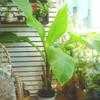
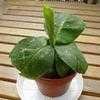
- Leaves: Massive, paddle-shaped, 10–20 ft long, 2–4 ft wide; bright green with prominent midrib; shred in wind.
- Flowers: Terminal spike emerging after 5–10 years; massive pendant inflorescence with colorful bracts; flowers unisexual.
- Fruit: Berry-like, inedible, hard seeds; not a banana.
- Corm: Large underground storage organ (up to 3 ft diameter), the primary edible part.
Native Range and Cultural Importance
- Native: Ethiopian highlands (5,000–10,000 ft), East African mountains.
- Domestication: ~5,000+ years ago in Ethiopia; co-domesticated with coffee.
- Staple crop: Primary carbohydrate for ~20 million people in southern/central Ethiopia.
- Cultural role: Central to Gurage, Sidama, Wolayta cultures; every part used.
Uses and Processing
- Kocho (fermented starch): Scraped corm + pulverized pseudostem fermented in pits (weeks–months) → dough-like, sour, long-storing staple. Baked as flatbread (*kocho*), porridge, dumplings.
- Bulla (premium starch): Liquid squeezed from fermented mash, settled, dried → white powder for porridge, soups, medicinal.
- Amicho (boiled corm): Fresh corm pieces boiled like potatoes.
- Fiber: Leaf sheaths → rope, twine, baskets, mats, construction.
- Leaves: Wrapping, cooking vessels, thatch, cattle feed.
- Medicinal: Treatments for liver, digestive, reproductive ailments.
Growing Requirements
- Climate: Cool tropics/subtropics; 50–75°F optimal; tolerates light frost. 40–80 inches rainfall.
- Elevation: 4,500–10,000 ft (best quality).
- Light: Full sun to light shade.
- Soil: Deep, fertile, well-drained, high organic matter; pH 5.5–7.
- Water: Consistent moisture; drought-tolerant once established (deep corm).
- Propagation: Vegetative: corm division, suckers, tissue culture. (Seed not true to type).
- Maturity: 4–7 years to harvest; monocarpic (flowers once, then dies).
Ornamental Value
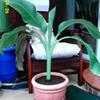
Spectacular tropical foliage plant for conservatories, large containers, or frost-free gardens (zones 9–11). Cultivars like 'Maurelii' (red-leaved) are popular ornamentals worldwide.
Conservation and Research
- Genetic diversity threatened by clonal propagation and land conversion.
- Research focuses on disease resistance (bacterial wilt, viruses), yield improvement, processing mechanization.
- Potential climate-resilient crop for other African highlands.


