


Family: Papilionaceae (pa-pil-ee-uh-NAY-see-ee)
Genus: Strophostyles (stro-foh-STY-leez)
Species: helvola (HEL-vol-a)
Synonyms: Cajanus helvulus, Dolichos helvulus, Glycine helvula, Phaseolus helvula
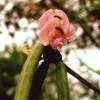
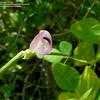
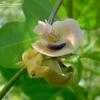
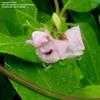
Trailing wild bean is an annual or short-lived perennial vine with fuzzy, trifoliate leaves and twining stems reaching 3–6 feet long. Small, pinkish-purple pea flowers appear in summer, followed by slender, hairy pods 1–2 inches long. The seeds are mottled brown and black.
Native to sandy fields, roadsides, and open woods across eastern and central North America. A pioneer species that colonizes disturbed sites. Fixes atmospheric nitrogen via root nodules, improving soil fertility. Provides nectar for bees and butterflies; seeds eaten by quail and small mammals. Host plant for several skipper butterfly larvae.
Sow seeds in spring after scarification. Prefers full sun and well-drained, sandy soil. Drought tolerant. Use in native restoration, wildlife food plots, and cover crop mixes. Not typically grown as a food crop for humans (seeds are small and pods shatter), but young pods are edible.
Wild Bergamot (Monarda fistulosa): Native Bee Balm for Prairies
Wild Quinine (Parthenium integrifolium): Prairie Perennial with Medicinal History
Alpine Calamint (Acinos alpinus): Tiny Aromatic Alpine Plant
Wild Yam (Dioscorea villosa): Native Vine with Medicinal Root
Hummingbird Plant (Scutellaria longifolia): Trailing Scutellaria for Pollinators
Balm of Gilead (Cedronella canariensis): Fragrant Canary Island Herb for Tea and Potpourri
Purple Giant Hyssop (Agastache scrophulariifolia): Tall Native Pollinator Magnet for Moist Sites
Daylily 'Wild One' (Hemerocallis 'Wild One') – Cultivar Profile
Wild Hibiscus (Hibiscus pedunculatus): African Species
Ball Cactus (Parodia magnifica): A Handsome Globe with Silky Yellow Spines and Crown of Flowers
Carpet Weed (Cheiridopsis candidissima): A Silvery, Mat-Forming Mesemb from South Africa
Sand Lovegrass (Eragrostis trichodes): Airy Native Grass for Dry Sands
Miltonia spectabilis: The Outstanding Brazilian Orchid with Butterfly-Like Flowers
Copyright © www.100flowers.win Botanic Garden All Rights Reserved