


Italian Cypress is the quintessential vertical accent of Mediterranean and formal gardens—a living exclamation point that has defined landscapes from Tuscany to California for centuries. Cupressus sempervirens (family Cupressaceae) is native to the eastern Mediterranean but cultivated worldwide since antiquity.
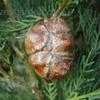
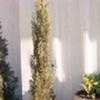
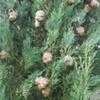
The species naturally grows as a narrow, dense column 40-60 feet tall but only 3-10 feet wide—a ratio of 6:1 or more. The foliage consists of tiny, scale-like, dark green leaves pressed tightly against the branchlets. The branches are upright, closely spaced, creating an impenetrable wall of green. The bark is gray, fibrous, fissured. Small, woody cones (1 inch) mature to brown.
| Family: | Cupressaceae (koo-press-AY-see-ee) |
| Genus: | Cupressus (koo-PRESS-us) |
| Species: | sempervirens (sem-per-VY-renz) |
Italian Cypress thrives in full sun, well-drained soil (tolerates alkaline), and hot, dry summers with mild, wet winters—classic Mediterranean climate. It's drought-tolerant once established. It's hardy to zone 7b (5°F) but can suffer winter burn in cold, windy sites. The cultivar 'Stricta' (syn. 'Totem') is the narrowest, most columnar form. 'Swane's Golden' has yellow-tipped foliage. 'Tiny Tower' is a dwarf (6-8 ft).
Uses: formal alleys, property boundaries, vertical accents, framing architecture, privacy screens, topiary. Plant in rows for dramatic effect. Space 3-5 feet for screens, 6-10 feet for specimens. Avoid wet, poorly drained soils (root rot). It's relatively pest-free but can suffer from cypress canker in humid climates. A symbol of eternity and mourning in many cultures—hence "Funeral Cypress."
Empress Tree (Paulownia tomentosa)
Madagascar Palm (Pachypodium lamerei)
Dawn Redwood (Metasequoia glyptostroboides)
Plumeria pudica: The Everblooming, Evergreen Frangipani
Durian (Durio zibethinus): The King of Fruits—Love It or Hate It
Washingtonia × filibusta: The Hybrid Fan Palm for Marginal Climates
Microbiota decussata: Siberian Carpet Cypress – Feathery Green Foliage Turns Bronze in Winter
Copyright © www.100flowers.win Botanic Garden All Rights Reserved