


Mexican Buckeye is a delightful, large shrub or small tree native to the limestone canyons and slopes of Texas, New Mexico, and northern Mexico. Ungnadia speciosa (family Sapindaceae) is the sole species in its genus, offering a burst of pink flowers in early spring followed by distinctive three-lobed capsules.
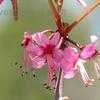
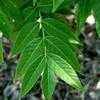
In early spring (March-April), before or with the leaves, the bare branches are covered in clusters of fragrant, pink, pea-like flowers (1 inch), creating a striking display in the arid landscape. The leaves are pinnately compound with 3-7 leaflets, turning yellow in fall. The fruit is a distinctive, leathery, three-lobed capsule (1-2 inches) that splits open to reveal 1-3 shiny, hard, black seeds (toxic). The bark is smooth, gray, becoming fissured.

| Family: | Sapindaceae (sap-in-DAY-see-ee) |
| Genus: | Ungnadia (oong-NAY-dee-uh) |
| Species: | speciosa (spee-see-OH-suh) |
Mexican Buckeye is exceptionally drought-tolerant, thriving on 12-20 inches of annual rainfall. It prefers full sun to part shade and well-drained, alkaline soil (limestone, caliche). It's hardy to zone 7 (0°F). The flowers are a critical early nectar source for bees and butterflies. The seeds are eaten by small mammals (despite toxicity to humans). The dense branching provides cover.
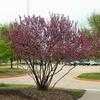
It's an excellent choice for xeriscapes, native plant gardens, and wildlife plantings in its native range and similar climates. It grows 15-30 feet tall with a multi-trunked, spreading habit. Minimal maintenance required. The toxic seeds warrant caution around children and livestock. A true survivor that brings beauty to harsh environments.
Breadfruit (Artocarpus altilis): Staple Crop of the Pacific
Lychee (Litchi chinensis): Tropical Fruit Delicacy
Lemon Tree: The Classic Citrus for Fruit, Fragrance & Foliage
Chonta Palm (Juania australis): Rare Chilean Palm
European Hornbeam (Carpinus betulus): The Classic Hedge & Shade Tree
Plumeria pudica: The Everblooming, Evergreen Frangipani
Durian (Durio zibethinus): The King of Fruits—Love It or Hate It
Hosta plantaginea: The Fragrant Species with Giant White Flowers
Salvia mexicana 'Limelight': Mexican Sage with Lime-Green Calyces
Mexican Sage 'Port de Zorro' (Salvia mexicana 'Port de Zorro')
Washingtonia × filibusta: The Hybrid Fan Palm for Marginal Climates
Mexican Oregano (Poliomintha longiflora): Drought-Tolerant Herb with Lavender Flowers
Mexican Oregano, Puerto Rican Oregano (Lippia graveolens)
Mexican Shrubby Spurge (Euphorbia cotinifolia): Smoke Tree Lookalike
Copyright © www.100flowers.win Botanic Garden All Rights Reserved