


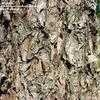
River Birch is the most heat-tolerant and adaptable of the native birches, thriving where Paper and White Birches struggle. Native to floodplains and stream banks across the eastern U.S., Betula nigra is celebrated for its spectacular exfoliating bark—peeling in papery sheets of cream, cinnamon, salmon, and brown—and its graceful, multi-trunked habit.
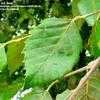
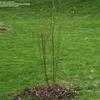
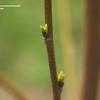
The bark is the star: on young trunks and branches, it peels in curly, translucent sheets revealing a kaleidoscope of colors. On older trunks, it becomes thick, deeply furrowed, and dark. The leaves are diamond-shaped, 2-3 inches long, doubly serrated, glossy green above, turning clear yellow in fall. The tree typically grows 40-70 feet tall, often with multiple trunks, forming an irregular, picturesque crown.
| Family: | Betulaceae (beh-tyoo-LAY-see-ee) |
| Genus: | Betula (BET-yoo-luh) |
| Species: | nigra (NY-gruh) |
Unlike its northern cousins, River Birch tolerates heat, humidity, compacted soil, and periodic flooding—making it a top choice for urban and suburban landscapes across a wide range (zones 4-9). It prefers moist, acidic soil but adapts to drier sites once established. It's resistant to Bronze Birch Borer, the pest that devastates White and Paper Birches in warm climates.
Popular cultivars include 'Heritage' (exceptional bark color, vigorous), 'Dura-Heat' (heat-tolerant, dense), 'Fox Valley' (dwarf, 10 ft), and 'Summer Cascade' (weeping). River Birch is a keystone species: its seeds feed birds, its foliage hosts hundreds of caterpillars, and its roots stabilize stream banks. Plant in groups for maximum bark impact.
River Birch Webbing: Spider Mites or Fall Webworms—Not Spiders
River Birch (Betula nigra): The Four-Season Star for Difficult Sites
Daylily 'Double River Wye': A 1983 Kropf Hybrid
Plumeria pudica: The Everblooming, Evergreen Frangipani
Durian (Durio zibethinus): The King of Fruits—Love It or Hate It
Washingtonia × filibusta: The Hybrid Fan Palm for Marginal Climates
Swamp Lily / Spider Lily (Crinum pedunculatum): Bold, Fragrant Lily for Wet, Warm Gardens
Hosta plantaginea: The Fragrant Species with Giant White Flowers
Comfortroot (Hibiscus aculeatus)
Hibiscus hamabo: Coastal Species
Mandrinette – Hibiscus boryanus
Furcraea macdougalii: A Giant, Trunk-Forming Relative of Agave
Euphorbia bupleurifolia: A Bizarre, Pineapple-Topped Succulent with a Caudex
Candelilla (Euphorbia antisyphilitica): A Leafless, Wax-Producing Shrub for Extreme Heat
Copyright © www.100flowers.win Botanic Garden All Rights Reserved