


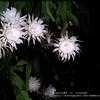
Dutchman's Pipe Cactus (Epiphyllum oxypetalum), also known as Night-blooming Cereus, Queen of the Night, or Orchid Cactus, is an epiphytic cactus famous for its huge, fragrant, white flowers that open at night and wither by dawn.
It has flat, leaf-like stems (cladodes) that are spineless and can grow quite long, cascading gracefully. Native to tropical forests from Mexico to South America, it grows on trees (epiphytic) or rocks (lithophytic).
In cultivation, it prefers bright indirect light, well-draining organic mix (orchid bark, peat, perlite), regular watering during growth, and a dry rest in winter. It blooms on mature stems, often in summer. The spectacular nocturnal flowers are pollinated by bats and moths in nature.



| Family: | Cactaceae |
| Genus: | Epiphyllum |
| Species: | oxypetalum |
| Synonym: | Cereus oxypetalus |
| Synonym: | Phyllocactus oxypetalus |
| Synonym: | Cereus latifrons |
| Synonym: | Epiphyllum latifrons |
| Synonym: | Epiphyllum acuminatum |
Night-Blooming Cereus: Treating Brownish-Black Leaf Spots
Overwintering a Large Night-Blooming Cereus Indoors
Saguaro Cactus (Carnegiea gigantea): Icon of the Sonoran Desert
Brazilian Prickly Pear (Brasiliopuntia brasiliensis): A Tree-Like Cactus with Flattened Branches
Eve's Needle Cactus (Austrocylindropuntia subulata): A Tree-Like Cholla with Awl-Shaped Leaves
Pruning Night-Blooming Cereus (Epiphyllum oxypetalum)
Apple Cactus (Cereus repandus)
Rose Cactus (Pereskia grandifolia): A Leafy, Shrubby Cactus with Rose-Like Flowers
Desert's Blooming Jewel (Echinopsis huascha)
Baja Organ Pipe Cactus (Stenocereus stellatus): A Columnar, Fruit-Bearing Cactus
Cochineal Nopal Cactus (Nopalea cochenillifera): The Historic Dye Cactus
Copyright © www.100flowers.win Botanic Garden All Rights Reserved