


 Orchids belong to the Orchidaceae family, which is the biggest known group of angiosperms (or flowering plants). As of now, more than 880 genera and 22,000 species of orchids are scientifically identified. Apart from the true species of orchids, there are about 300,000 cultivars and hybrids. Also, new orchid species and cultivars are added every year. Though orchid maintenance is not so easy, orchids are highly adaptive. It is the diversity and adaptability of orchid plants that account to their huge number. In fact, they occur in a wide range of habitats, except glaciers and deserts. Some Australian orchid varieties grow underground, while others can adapt on the upper branches of tall trees.Tips for Growing OrchidsAs already mentioned, orchid growing and maintenance require special attention. Since most of the orchid species belong to tropical regions, they are difficult to grow in cold climatic areas. Hence, if you are planning to grow orchids for the first time, understanding the basic orchid growing tips will help you in successful plantation. Like any other plant, orchids need specific growing conditions. The main logic is to provide preferable conditions similar to their natural habitats. Otherwise, an orchid plant may fail to bloom even after successive years of plantation.
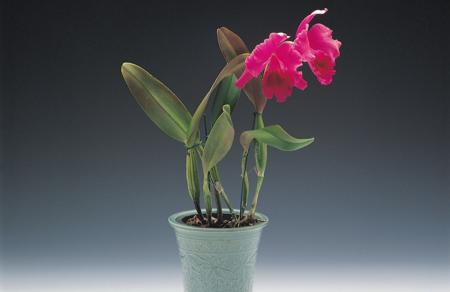 Regarding favorable temperature ranges for orchids, these plants cannot tolerate too cold or too hot temperatures. At night, the temperature can be as low as 60° - 65° F, while in the day time, the temperature should be between 75° - 85° F. Make sure that the orchid plant is protected from heavy frost or cold chilly temperatures.Watering OrchidsWatering orchid plants at the right time is important to avoid water logging conditions. As orchid plants require a minimum to moderate watering, keeping the upper soil layer moist is sufficient for better growth and development. You can water the orchid plants once in a week to retain the favorable moisture condition for orchid plants.FertilizationTaking care of orchids also includes supplementing the soil with nitrogen rich fertilizers. However, ensure that you do not overfeed them, as it can cause damage to the orchid plants. Fertilization of the orchid plant can be done once in a week in proper dosage.Ventilation
 Orchids, in their natural habitat, receive optimum amount of ventilation. The same is applicable while planting them indoors or in greenhouses. If grown in greenhouses, you can make use of small fans to provide the necessary ventilation. While indoors, always keep the windows open to aerate the orchid plants.Identifying Pests and DiseasesIt is always advisable to monitor the orchid plants for any pest and disease infestation. In case of any such problems, spray the plants with proper insecticides, pesticides or fungicides (whichever is applicable) to contain the pest or disease. However, do not forget to read the label in order to check the safety of the chemicals before applying.Orchid Care after FloweringOne of the most common hurdles with orchids is that the plants stop flowering after the first bloom. A practical way to solve this problem is to repot the orchid plant at least once in two years in a bigger container. Prior to repotting the orchid plant, prepare the potting mixture by supplementing with essential plant nutrients. Also, trim excess or overgrowing roots (if any) and cut the main stem at the base. Following this, you can repot the orchid plant by practicing the same planting steps. Do not expose the repotted orchid plant to harsh or direct sunlight in the first few weeks.Seasonal Care of OrchidsIt is very necessary to keep in mind that orchid care has to be moderated according to changing seasons. Otherwise the growth of the orchid will get severely hampered. Let us see how you need to go about it during the various seasons.
Copyright © www.100flowers.win Botanic Garden All Rights Reserved