


Mock orange (Philadelphus coronarius) is a beloved deciduous flowering shrub that fills late spring gardens with an intense, citrus-like fragrance. Its arching branches loaded with white blossoms make it a standout in any landscape.
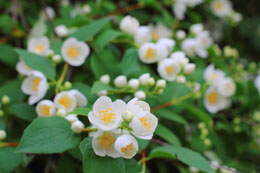
Growing 3 to 8 feet tall and wide, mock orange features light green foliage and pure white flowers with yellow centers that bloom in late spring to early summer. The sweet, orange-blossom scent carries on evening breezes, making it ideal near patios, windows, and walkways.
Water regularly during first growing season to establish deep roots. Once established, moderately drought-tolerant.
Apply balanced fertilizer in late February or early March if leaves yellow or growth stalls.
Timing is critical: Prune immediately after flowering ends. Remove one-third of flowered stems to ground level. Thin oldest stems (one in three) to base to stimulate vigorous new growth that will bear next year's blooms.
Excellent as a fragrant hedge, privacy screen, or specimen plant. Its arching form softens hardscapes and works beautifully in cottage gardens. Low maintenance makes it ideal for busy gardeners.
Orange Jasmine Leaves Spotted? Light, Water & Fungus Fixes
Magnolia Shrub Losing Trunks One by One: Root Rot Suspected
Chinotto Orange Decline in Container: Root Rot Diagnosis and Recovery Steps
Orange Leaf White Fruiting Bodies: Powdery Mildew Management
Indoor Citrus Oily Leaves: Rust Mites or Aphids
Mock Orange Annual Black Bugs and No Blooms: Atomic Grow Sucrose Boost for Defense
Calamondin Orange Sticky Leaves: Sucking Insects and Over-Fertilizing
Orange Top Cactus (Grafted) Shriveling, Yellow Mushy Base: Dead, Top Won't Survive Alone
Cedar Apple Rust on Volunteer Juniper: Identification and Management
Why Indoor Orange Trees Fail to Fruit: Light, Pot Size, and Water
Calamondin Orange Losing Leaves? Light Is the Issue
Identifying the Mystery "Mock Orchid" Plant
White Powder on Shrub: Powdery Mildew Identification and Treatment
Copyright © www.100flowers.win Botanic Garden All Rights Reserved