


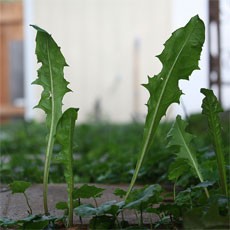
That neighbor with the flawless, weed-free lawn? Their "perfect" green carpet comes at a cost—to wildlife, water, and your wallet. A few weeds make your yard ecologically richer.
Dandelions, clover, and plantain feed butterflies (buckeyes, Baltimore checkerspots, eastern tailed blues) and caterpillars. They shelter beneficial insects—ladybugs, praying mantises, predatory wasps, bees—that pollinate plants and eat pests. More weeds = fewer pest problems = less spraying.
Many weeds also repel harmful bugs naturally. Let them grow near flower beds as a protective buffer.
In drought, grass dies but weeds persist. Their roots anchor topsoil until rain returns. They're nature's erosion control.
Lawn chemicals leach into waterways, killing aquatic life. They endanger pets and wildlife who can't read warning signs. Carcinogens in common herbicides pose long-term risks.
Next time you see dandelions, smile. You're not neglecting your lawn—you're running a butterfly nursery, protecting soil, and keeping toxins out of the watershed. That's a lawn worth having.
Centipede Grass Weeds: Why Chemicals Fail & Organics Work
Winning the War on Lawn Weeds Without Chemicals
Controlling Geraniums in a Southern California Lawn
Dandelion Control in Irish Lawns: 2,4-D Solutions
Friend or Foe? Identifying Beneficial vs. Harmful Lawn Weeds
Complete Guide to Lawn Mower Types, Maintenance, and Parts for Long-Lasting Performance
Kitchen Cupboard Garden Remedies: Natural Weed, Fertilizer & Pest Solutions
Weed Control in New Hydroseeded Lawns
Weed Control in Mixed Lawn: Define Your Grass First
Why Mowing Benefits Your Lawn Beyond Appearance
Broadleaf Weed Surge in Colorado Springs: Spray Smart, Not Weed-and-Feed
Condo Lawn All Weeds: Management Won't Act, Chemicals Off-Limits
Best Time to Water Your Lawn: Morning Strategy, Depth, and Frequency
Lawn Weed Control Basics: Healthy Grass, Mechanical Removal, and Smart Herbicide Use
Copyright © www.100flowers.win Botanic Garden All Rights Reserved