


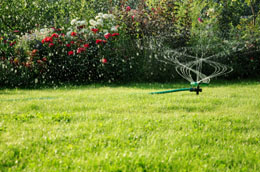
Watering seems simple, but timing, depth, and frequency determine whether your lawn thrives or merely survives. Early morning (4–8 AM) is scientifically optimal. This guide explains why, how to measure output, and how to adjust for grass type, soil, and season.
| Time | Problems |
|---|---|
| Midday (10 AM – 4 PM) | 30–50% evaporation loss; leaf scorch risk; wasted money |
| Evening (6 PM – midnight) | Leaves wet all night → prime fungal incubation; slug/snail activity |
| Night (midnight – 4 AM) | Same as evening + can't monitor; possible freezing in shoulder seasons |
If morning impossible: Late afternoon (4–6 PM) with enough dry time before dark. Never night.
Do this per zone. Patterns vary. Adjust heads for uniformity (CV < 15%).
| Condition | Adjustment |
|---|---|
| Extreme heat (> 90°F) | + 25–50% frequency; keep depth same |
| High wind | + frequency; morning calm preferred |
| Drought restrictions | Cycle-soak (3×10 min vs 1×30 min); accept dormancy |
| Heavy rain (> ½″) | Skip next scheduled cycle |
| Cool / humid / cloudy | - 25–50% frequency |
| Sandy soil | More frequent, less depth (drains fast) |
| Clay soil | Cycle-soak essential; slower infiltration |
Water like a pro: deep, infrequent, morning. Your lawn—and water bill—will thank you.
Best Time to Prune Yucca: Anytime for Tropical Houseplants
Best Time to Water Gardens in Indiana Heat
Yellow Lawn After Double Weed & Feed + High Nitrogen: Chemical Stress
How Grass Thickness Affects Water Absorption and Conservation
Moss Lawns and Shade Groundcovers: Embracing Wet, Shady Conditions
Using Sugar to Improve Lawn Health: Application Tips for Slopes and Clay Soil
Hand-Spread Fertilizer Burn: Water Deeply, Go Organic
Weed-and-Feed Burn in Summer Heat: Recovery Steps
Grub Control Timing in Southeast Michigan: The Organic Perspective
Kentucky Bluegrass Summer Browning: Heat Dormancy, Not Drought
Water-Wise Lawn Care: Five Tips to Conserve & Protect Local Waterways
Why Synthetic Grass Is the Smart, Sustainable Choice for Modern Lawns
Copyright © www.100flowers.win Botanic Garden All Rights Reserved