


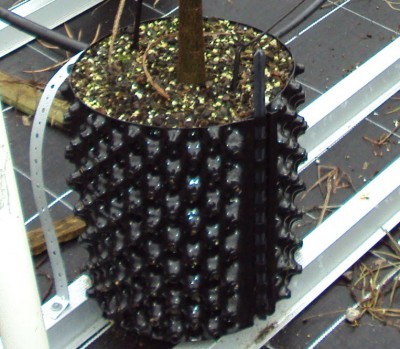
Air pruning prevents root-binding in containers by stopping root growth at the pot wall, prompting dense, dispersed root structures with abundant tips for water/nutrient uptake—ideal for potted plants.
In nature, roots grow freely. In containers, they circle the wall, thickening and intertwining, restricting access and potentially strangling the plant. Air pruning containers expose root tips to air at the edges; plants naturally stop root growth in air, redirecting energy inward to create a superior fibrous network.
DIY versions exist. All share the core concept: airflow on sides/bottom stops peripheral root circling and promotes internal root development.
First-Time Homeowner Landscape Planning: Observation Before Planting
New Construction Soil Prep: Amend Planting Holes Only, Test pH, Plan from Views
Repotting Phalaenopsis with Long Aerial Roots
Growing Loquat and Lychee Trees in Containers: Root Pruning, Pot Size, and Cold Tolerance
Gardenia Bush Pruning: Timing, Tools & Techniques for Beautiful Blooms
Landscape Architecture: What Landscape Architects Do and How to Choose One
Eczema Herbal Treatment Timeline: Realistic Expectations
Training a Young Ficus into a Single-Trunk Tree Form
Spathiphyllum and Pothos Decline After Repotting: Downsize Pots
Corkscrew Rush (Juncus spiralis) Care: Water, Light, and Repotting
How to Prune Roses: 7 Simple Rules for Beautiful Bushes
Planting Hibiscus in Containers and Gardens
Rose Pruning Masterclass: 7 Core Rules + Advanced Techniques
Copyright © www.100flowers.win Botanic Garden All Rights Reserved