


Nephrolepis exaltata (Boston fern) has graced homes since Victorian times with its arching, lace-like fronds (50–250 cm). Among Earth's earliest vascular plants, ferns bring prehistoric charm and proven air-ionizing benefits—removing toxins, increasing oxygen.
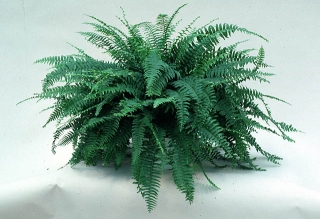
Intolerant of: cigarette smoke, dry air, toxins, drafts. Fronds are fragile—handle minimally.
Bright, indirect light. No direct sun. No cold drafts. Average room temps (18–24°C / 64–75°F).
60–70% RH minimum. Below 40% → desiccation. Summer: water daily, mist 3–4x/week. Winter: water every few days, maintain humidity. Soil never dry. Use room-temp water.
Rich, moisture-retentive, well-draining (peat-based). Monthly diluted fertilizer spring–summer.
Bathrooms, kitchens, humidified rooms. Hanging baskets or pedestals show off arching form. Group with other plants for humidity.
Yellowing = dry air/underwatering. Brown tips = low humidity. Scale/mealies in dry conditions.
A Boston fern thrives where others fail—rewarding humidity with lush, air-cleaning beauty.
Tiny Beetles at Daughter's Window: Stored Product Beetles, Not Health Threat
Orchid Flasking Temperature: 72–75°F Ideal for Seed Germination
Button Fern (Pellaea rotundifolia) Color Variations and Care
Staghorn Fern Damaged by Scrubbing: Will It Survive?
Three-Season Room Plants: Cool-Tolerant Species for 45°F+ Nights
Overwatered Fern Rescue: Dry It Out, Identify Species
Can You Grow Maidenhair Ferns Outdoors? Climate Requirements and Alternatives
Identifying Two Common Ferns: Bird's Nest and Asparagus Fern
Pruning an Overgrown Boston Fern
Tasmanian vs. Australian Tree Ferns: Two Different Species
Reviving Sun- or Frost-Burned Ferns
Designing a Feasible Fern Ecology Study for Undergraduate Research
Copyright © www.100flowers.win Botanic Garden All Rights Reserved