


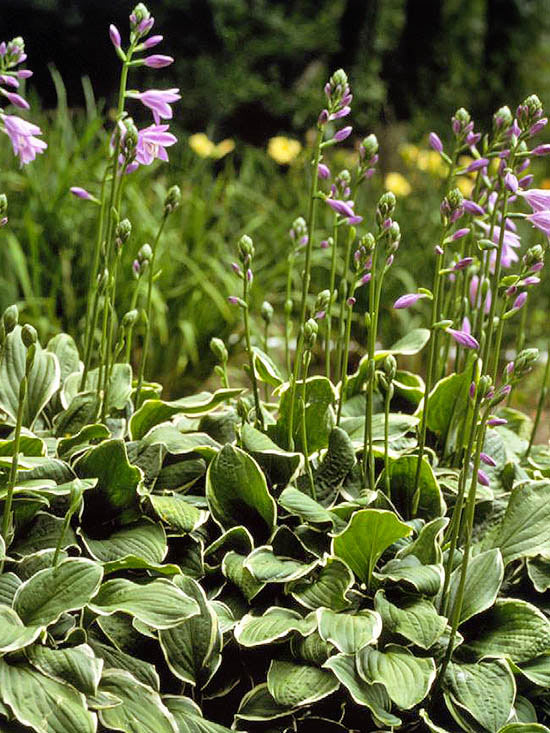
The hardest part is prep. Transfer your design to the bed. Know each plant's mature size (check tags or research). Arrange plants with correct spacing; let pots sit a few days to view from all angles.
Cold climates: late spring/early summer for full season before winter. Mild regions: fall (moist, cool, no freeze). Wet/dry climates: start of rainy season.
New beds need mulch for moisture and weed control. Mulch after planting for large plants; before for small/bare-root. Quality mulch needn't be expensive—many municipalities offer free composted yard waste. Read more about mulching.
Hole no deeper than root ball, few inches wider. Remove rocks. For bare-root, form a mound to spread roots.
Water before planting. Remove from pot by inverting, tapping, or rolling. Loosen pot-bound roots. Expose crown to set planting depth. Remove biodegradable pots unless roots penetrate or pot is decaying.
Most perennials: crown at soil level. Test with tool handle across hole. Exceptions:
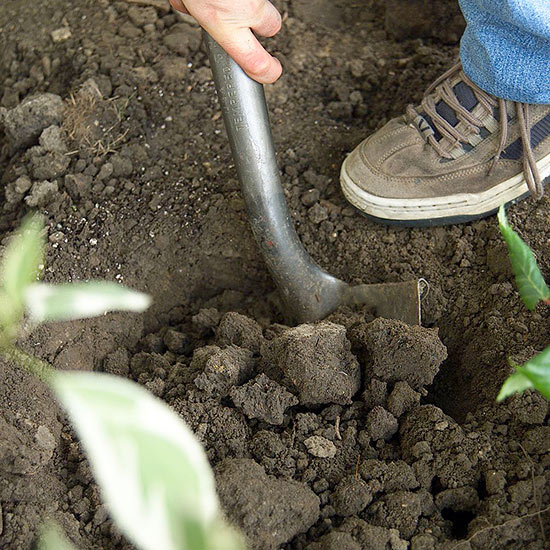
1. Dig generous hole. Small pots: trowel. Large: spade. Old beds: 1–2x pot width, no deeper. New beds: as wide/deep as pot. Slope sides.
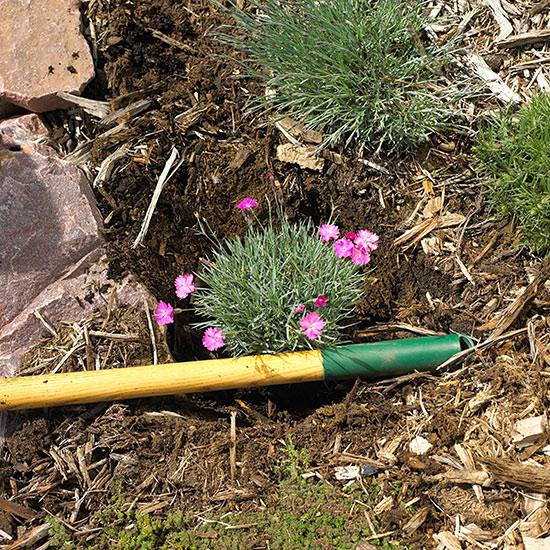
2. Check Depth – Crown level with soil. Use spade handle across hole.
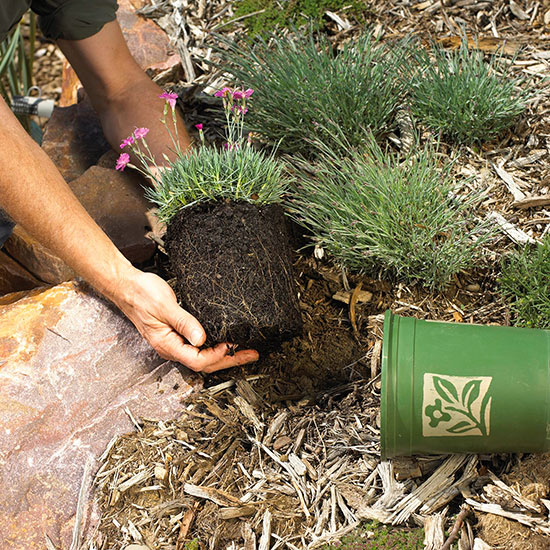
3. Remove Plant – Flip, tap, or roll pot.
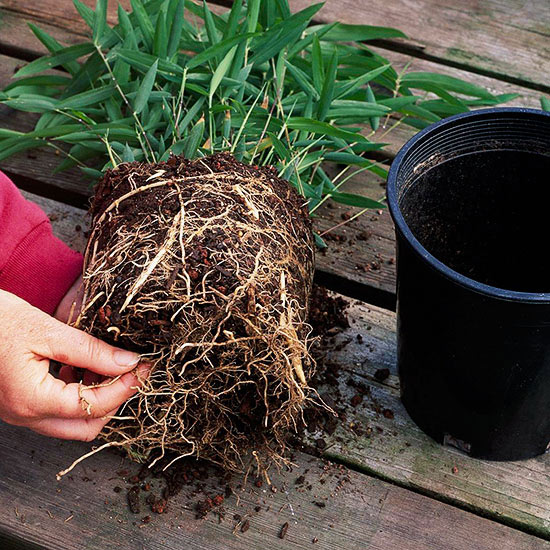
4. Tease Roots – Loosen circling roots or slice root ball.
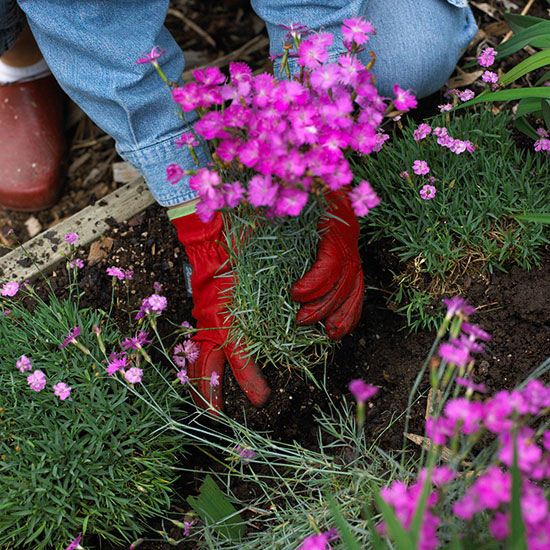
5. Set Plant – Spread roots, recheck depth.
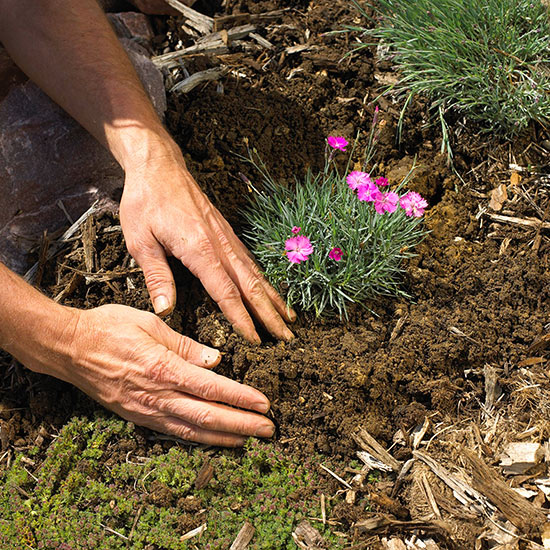
6. Backfill – Halfway, firm, water, finish, firm, water gently.
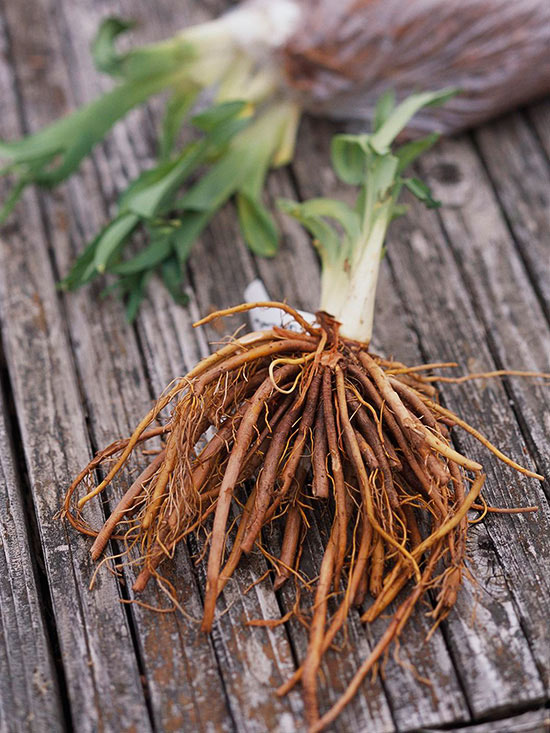
1. Check Roots – Remove packing moss.
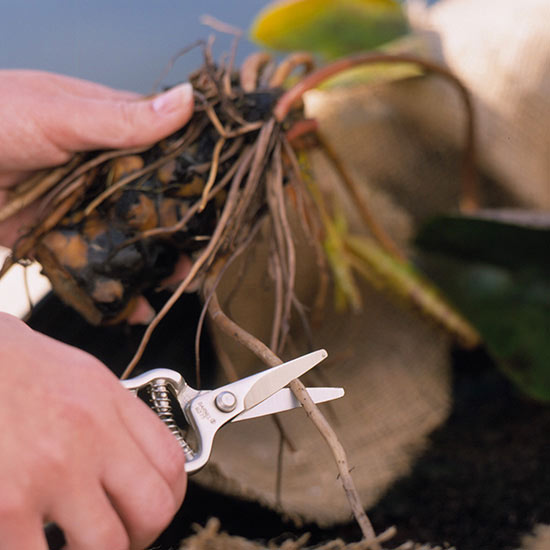
2. Trim – Remove dead/broken roots.
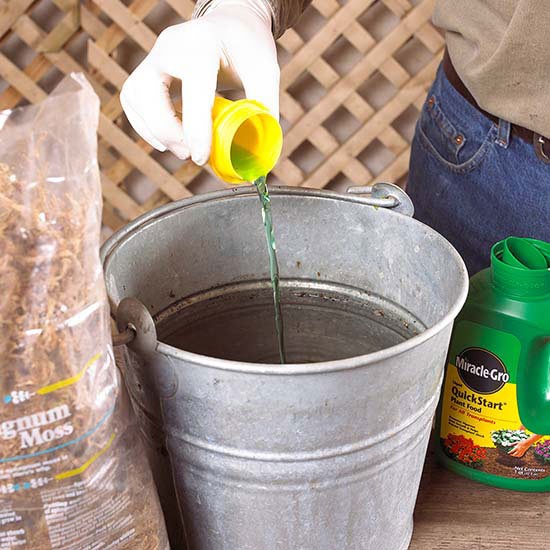
3. Soak – 1–2 hours in water (+ root starter).
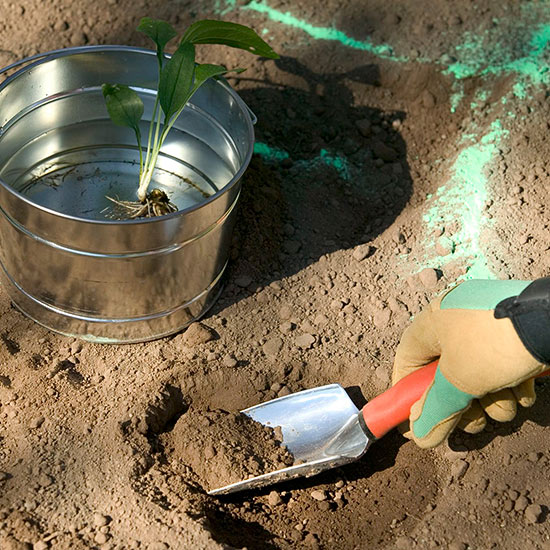
4. Dig – Width = root spread, depth = root length.
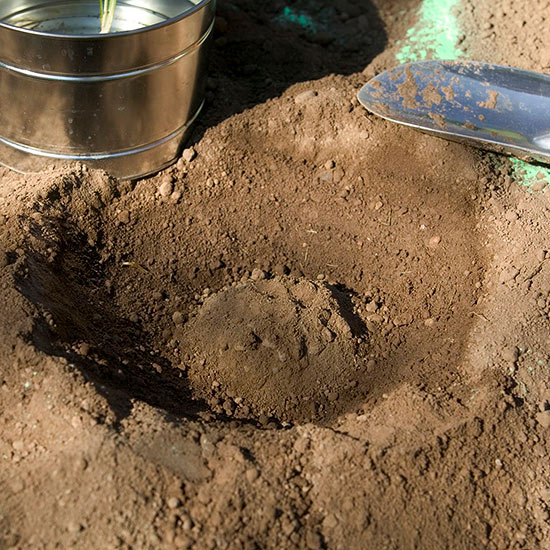
5. Form Mound – Center of hole, crown at soil surface.
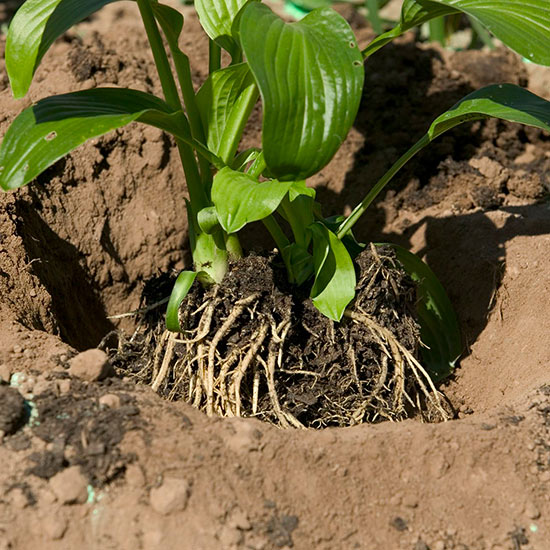
6. Remove from Water
7. Set – On mound, spread roots, half backfill, water.
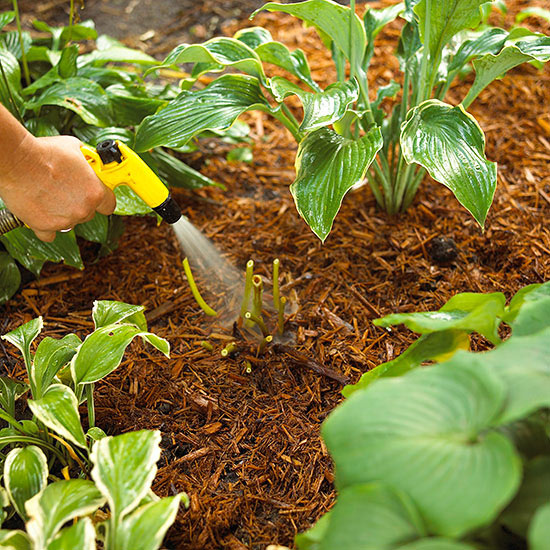
8. Finish – Backfill, firm, water, mulch, water again. Keep moist until established.

Mulch exposed soil. Water thoroughly (soak top 8"). Check saturation away from plants. If runoff, pause 30–45 min. New perennials: 1"/week. Check 3–4" deep. Established: ½"/week. Adjust for moisture-lovers and drought-tolerant.
Perennial Planting Ideas to Highlight a Front Entry Sign
How to Plant and Grow Cucumbers: From Seed Selection to Harvest
Rose Planting Guide: Bare-Root and Container Roses
How to Grow Perennials from Seed: Step-by-Step Guide
Planting Perennials in Patios, Paths, and Walls
Spring Planting of Perennials in Zone 6 Michigan: Hardening Off and Soil Preparation
Fall Planting of Tall Asters in Zone 7 (Long Island, NY)
How to Plant and Grow Banana Trees: Tropical Fruit in Your Backyard
Planting Bamboo: Choosing Clumping vs. Running Varieties and Controlling Spread
Perennial Plants: Long-Lived Garden Staples
Guide to Planting Bulbs: A Layered Container for Sequential Bloom
Copyright © www.100flowers.win Botanic Garden All Rights Reserved