


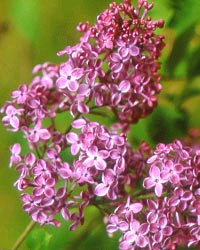
Lilacs are usually reliable bloomers, but sometimes they refuse to flower. Here are the most common reasons and solutions:
About 20 years ago I moved to a Portland, Oregon suburb in spring. A small, lonely tree in the front yard turned out to be a lilac—no blooms that year. The next year it grew but still no flowers. That fall I told it, “If you don’t bloom next year, your days are numbered!” It bloomed beautifully—a dark French lilac—and bloomed more profusely every year after. I’m sure it was just too young, but I like to think the “talk” helped. So talk to your plants, and if they don’t perform, warn them.
—Elizabeth, Yachats, Ore.
I’d like to add to Elizabeth’s tip. We moved to a home with an established lilac that had never bloomed. I told it, “I’ll love, feed, and cherish you as long as you produce flowers—otherwise your spot goes to something else.” It produced two flowers! “Okay, give me more than two, or else!” This year there are three. My tip: be VERY explicit about the rules when you talk to your plants.
—Mary, Poplar Bluff, Mo.
For a complete guide to lilac planting and care, see Lilac Planting and Care.
Old Rose Bush Won't Bloom After Regrowing from Roots
Rose Won't Bloom After Three Years: Misidentified Climber?
Tree Rose 'Playboy' Not Blooming After Purchase – Forced Growth
Rejuvenating a Leggy Japanese Lilac: Two Pruning Strategies
Why a Young Redbud Hasn't Bloomed Yet
Lilac Bloom Time in Indianapolis: May, But Variable
Diagnosing Dying Lilacs: Borers, Disease, and Cultural Fixes
Bougainvillea Not Blooming: Pruning, Sun, and Fertilizer Management
Why Your Lilac Won't Bloom: Shade, Nitrogen, Pruning, and a Spade Trick
Why Container-Grown Korean Lilacs Struggle: Root Space, Sun, and Soil Requirements
Peony Refuses to Bloom After Years: Transplant Shock and Patience
Propagating Lilacs: Sucker Division vs. Stem Cuttings
Hydrangea Not Blooming: Stop Pruning!
How Long Until Lilacs Bloom? Timelines by Variety and Plant Size
Copyright © www.100flowers.win Botanic Garden All Rights Reserved