




Growing Polemonium (Jacob's Ladder)
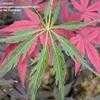
Growing Polemonium (Jacob's Ladder) PRONUNCIATION: pole-mone-ee-umDESCRIPTION: Hardiness: 4-8 S&W. Height 12+. Foliage appears in spring with cream edges that turn pink in cool weather or in fu

Growing Plectranthus (Plectranthus)
Growing Plectranthus (Plectranthus) Pronunciation: plek-tran-thusThis unfussy genus in the Mint family is native from Africa to Asia and the Pacific Islands.Plectranthus argentatus is a vigorous grower
Growing Platycodon (Balloon Flower)
Growing Platycodon (Balloon Flower) Pronunciation: plat-ee-kodon Plant in full sun or partial shade and average garden soil. Plants may be slow to become established, especially in heavy soil. Ver
Growing Pilea microphylla (Artillery Fern)
Growing Pilea microphylla (Artillery Fern) Several of the many tropical Pilea species are grown for their attractive foliage (which resembles that of Ferns), although their flowers are of no great interest.
Growing Pieris (Lily of the Valley bush, Japanese andromeda)
Growing Pieris (Lily of the Valley bush, Japanese andromeda) Pronunciation: pie-eeriss These broad-leaved evergreen shrubs are decorated all winter with flower buds that open in early spring, cover
Growing Picea (Spruce) Pronunciation: py-see-ahA valuable genus of evergreen trees, Picea offers a wide variety of sizes and shapes, from towering columnar giants to conical and prostrate forms to round
Growing Physostegia (False Dragonhead)
Growing Physostegia (False Dragonhead) Pronunciation: fie-so-steegee-uh Full sun or partial shade. Best in average to damp soil. Can be invasive, especially in moist conditions; lift and div
Growing Physocarpus PRONUNCIATION: fie-so-carpus Physocarpus is a multiple-stemmed shrub hardy in zones 3–8 S&W. Plants grow to 4–6′ with a width of 6–10′. White flowers in May–June. Foliage i
Growing Phyllostachys (Bamboo)
Growing Phyllostachys (Bamboo) Pronunciation: fil-lo-stak-issValued for its elegant and graceful foliage, Phyllostachys can be grown in the ground or as a container plant. This spreading Bamboo can turn
Growing Phygelius (Phygelius) Pronunciation: fye-jee-lee-usGrow in full sun and moist but well-drained soil. Remove spent flower clusters to encourage the formation of new blooms. Plants are hardy to Zo
Growing Phormium Pronunciation: form-ee-umA genus of only two species, well adapted to the extremes of the native New Zealand climate, from torrential rains, violent winds, seasonal drought, to sweltering su
Growing Phlox divaricata (Wild Blue Phlox)
Growing Phlox divaricata (Wild Blue Phlox) Phlox divaricata laphamii is at its best in partial shade (or full shade in the South) and in well-drained soil enriched with organic matter. Prefers soil with a sl
Growing Phlox carolina, P. maculata, & P. paniculata (Garden Phlox)
Growing Phlox carolina, P. maculata, & P. paniculata (Garden Phlox) Pronunciation: floks This important genus of valuable garden plants includes reliable and colorful species that bloom b
Growing Phlomis (Jerusalem Sage)
Growing Phlomis (Jerusalem Sage) Pronunciation: flow-missTiers of hooded flower pom-poms (actually, whorls) encircling the upright stems add a different dimension to the perennial garden. Jerusalem Sage is a
Growing Philodendron Philodendron is an adaptable houseplant, thriving in bright, indirect light and temperatures of 60 degrees F and above. Water when the top 1 inch of the potting mix is dry to the touch a
Growing Philadelphus (Mock Orange)
Growing Philadelphus (Mock Orange) PRONUNCIATION: fil-uh-delfuss Philadelphus flowers in June with a heady fragrance of orange blossoms that fills the air. Has upright growth that is arching near
Growing Petunia (Petunia) Pronunciation: peh-toonee-uh Full sun. Average garden soil. No deadheading (removal of spent blooms) required on our small-flowered varieties. In the South, flowering may
Growing Persicaria (Bisort, Knotweed)
Growing Persicaria (Bisort, Knotweed) Pronunciation: per-si-kar-ee-ahMembers of this genus are sometimes included in Polygonum (known to many gardeners through the unwelcome guest called Knotweed). Upwa
Growing Perovskia (Russian Sage)
Growing Perovskia (Russian Sage) Pronunciation: pe-rofskee-uh Plant Perovskia in full sun and well-drained soil. Drought tolerant.Leave the silvery stems standing over winter; prune back to just 8–
Growing Pepper (Vegetable Plants)
Growing Pepper (Vegetable Plants) Care of Plants On ArrivalYour plants have just spent up to 3 days without light or water and may have yellow leaves or show evidence of wilting. Through years of shipping ex
Copyright © www.100flowers.win Botanic Garden All Rights Reserved