


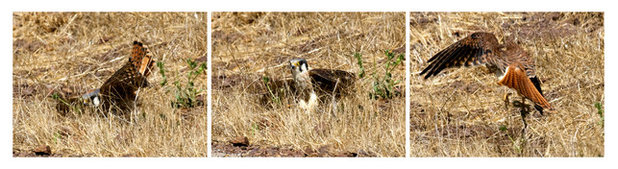
The American kestrel (Falco sparverius) is North America's smallest falcon and a fierce predator of invertebrates, small rodents, and small birds. Males sport a distinctive slate-blue head, rust-colored back, and unique black markings. They can see ultraviolet light — detecting vole urine trails for hunting. Year-round across much of North and South America.
Attracted to human-disturbed habitats: pasture, parks, urban areas. Like most raptors, they prefer open areas with sparse vegetation and scattered trees for perch-hunting. Open shrubby fields provide cover for caching surplus small mammals (for when invertebrates are scarce). They hide food in dense grasses, shrubs, tree roots, cavities. Dense cover also provides shelter from weather and larger predators (goshawks, red-tailed hawks, barn owls, Cooper's hawks).
Daytime hunters: perch, watch, swoop, clasp prey in talons. May carry larger prey or eat on ground while staying alert.
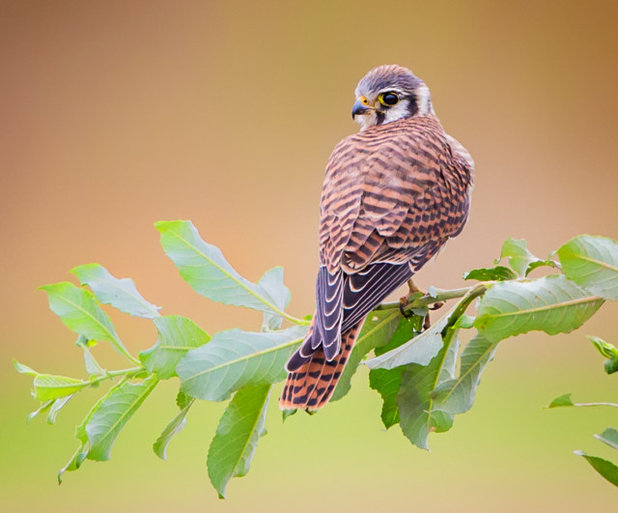
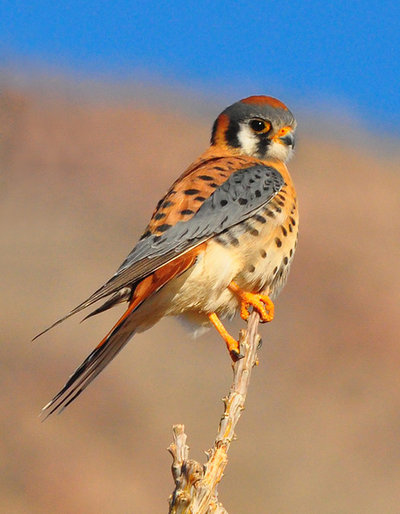
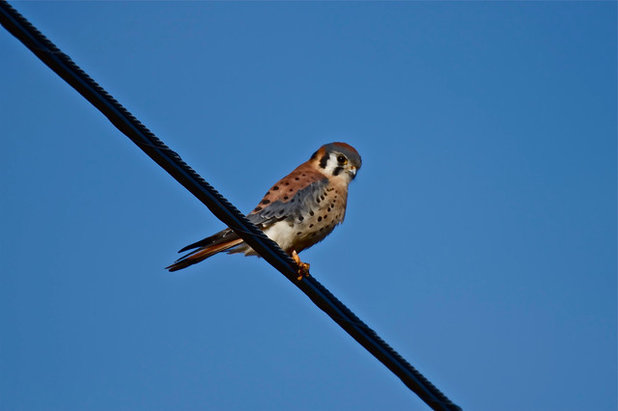
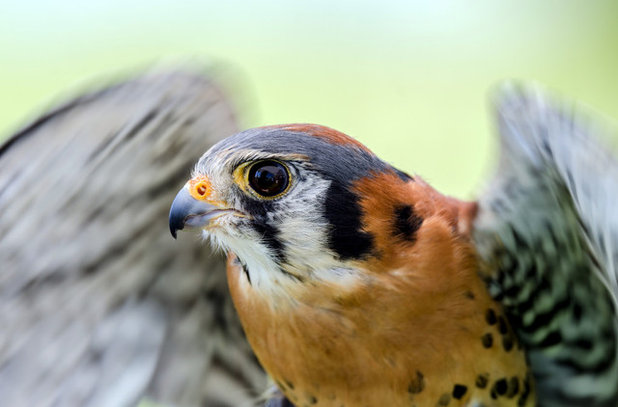
Males: Coppery back/tail, bluish-gray wings/head, black/white facial streaks, black body speckles. Females: Tannish-red wing pattern (not blue), blue-slate head with black/white markings, brown/white chest streaking. Both ≤12 inches, <½ lb — small, light, quick, stealthy.
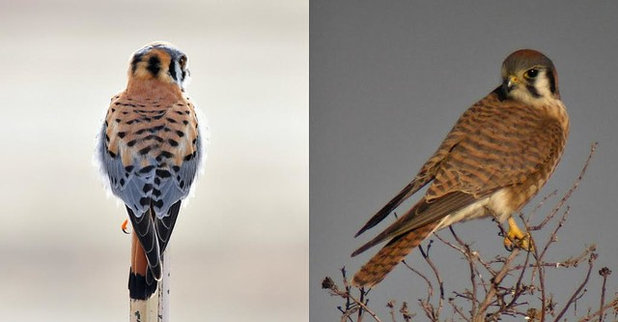
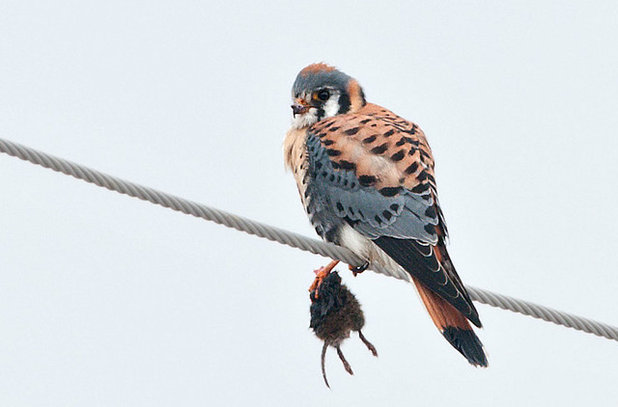
Open woodlands/fields with thick native grasses, shrubs, trees → diverse insects (grasshoppers, cicadas, beetles, dragonflies, scorpions, spiders) and small mammals (voles, mice, shrews, bats, songbirds). Find native plants for your region.
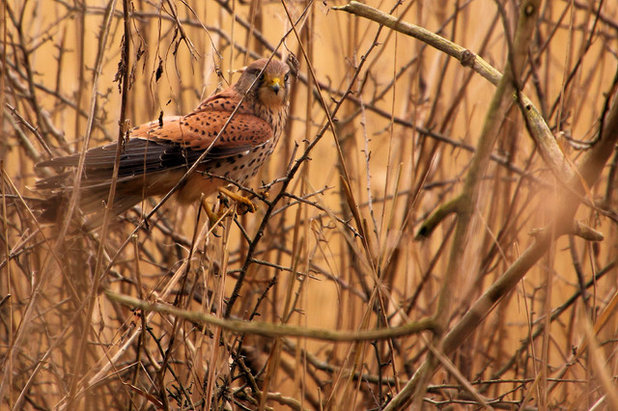
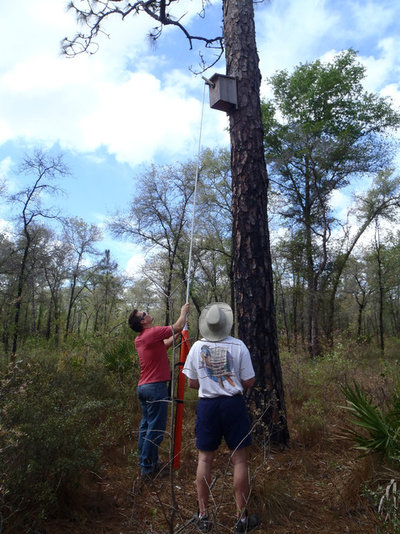
Kestrels use nest boxes with specific specs. Populations declining in many areas — every box helps. Place on tree/pole 10–30 ft high. Entrance: 3-inch diameter, 14-inch depth. Cornell's NestWatch has detailed plans — great youth/community project teaching bird ecology.
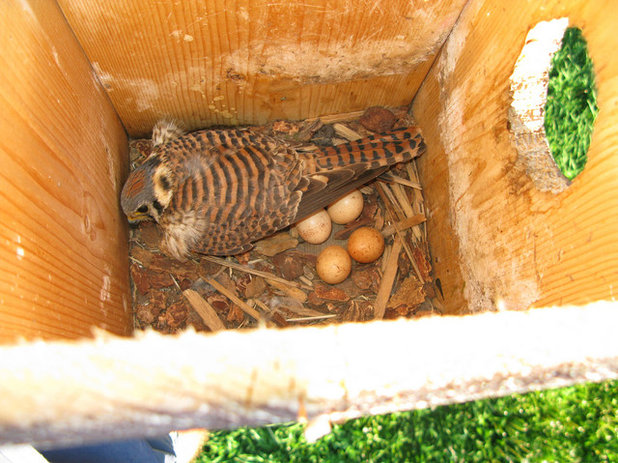
Male finds cavities (old nests, tree hollows, rock crevices, building nooks); female approves. No nesting material collected — just move debris, lay 4–5 eggs at cavity bottom. 1–2 broods/season.
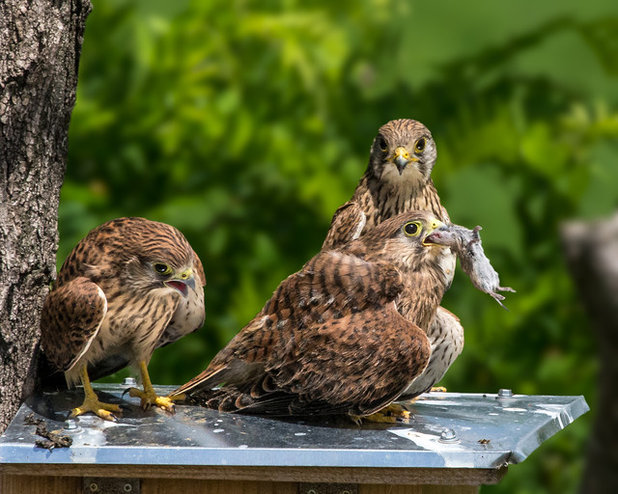
Reward: feisty chicks to watch next spring/summer, plus complimentary rodent control from busy parents.
More: KestrelCam footage, calls, and info at NestWatch.
Attract Birds to Your Backyard: Create a Thriving Wildlife Habitat
Finding Garden Inspiration: From Nursery Visits to Personal Creativity
Home Gardening for Beginners: Tools, Easy Starter Plants & Simple Routines
Home Gardening Tips: Soil Prep, Watering, and Plant Care Essentials
Flower Garden, Vegetable Garden, or Both? Designing Your Ideal Backyard Garden
Feeding Backyard Birds: The Complete Guide to Seeds, Suet & Native Plantings
Gardening for Birds: 6 Ways to Create a Year-Round Bird-Friendly Backyard
Choose Greener Supplies for Sustainable Home Maintenance & Renovation
American Cockroach Guide: Identification, Prevention, and Professional Control
Professional Carpet Cleaning: Health, Hygiene, and Longevity
Petrol-Powered Garden Tools: Freedom to Maintain Your Outdoor Space
Home & Garden Tools: Invest in Quality, Buy from Manufacturers
Complete Landscaping Solutions for Any Backyard Size
Fall & Winter Bird Care: Seed, Feeders & Native Plants at Urban Roots
Copyright © www.100flowers.win Botanic Garden All Rights Reserved