


Spring brings garden growth—and weeds. Rather than declaring all-out war, a more effective approach begins with understanding the ecological roles weeds play. A weed is simply any unwanted plant, whether native, invasive, or an enthusiastic garden escapee like mint or bamboo. Their resilience is remarkable: they spread by seeds, roots, and runners, thriving in conditions that challenge other plants.

Many weeds are edible—dandelions, for example—provided you correctly identify them, know safe preparation, and confirm they grew in uncontaminated soil. Others support pollinators: clover feeds bees, while bronze fennel and Queen Anne's lace attract beneficial insects like ladybugs and predatory wasps that control aphids.

Weeds can reveal soil conditions. Leguminous weeds (kudzu, vetch, clover) fix nitrogen, often indicating nitrogen-poor soil—and over time, they improve it. Deep taproots like dandelions signal compacted soil needing aeration. Creeping buttercup thrives in heavy, organic-matter-poor soil. Identifying persistent weeds can teach you what your soil needs.

Many weeds favor poor, compacted, or disturbed soil. Raised beds (12+ inches) filled with weed-free soil dramatically reduce weeds. Line new beds with cardboard before adding soil to smother existing weeds. Avoid excessive tilling, which brings buried seeds to the surface; rake compost into the surface instead.
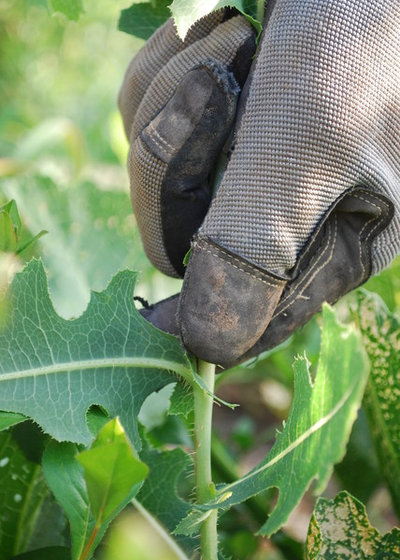
Remove weeds while they're small—it's far easier than digging out established plants. A weekly pass through the garden with a bucket prevents most weeds from seeding. Kneel or use a stool to save your back.

For taproot weeds (dandelions, comfrey), dig deeply with a weeding tool. For fibrous-rooted weeds (buttercups), dig widely around the plant. Broken roots can regenerate.

Nature abhors a vacuum. Mulch with straw, leaves, or plastic mulch to suppress weeds and conserve moisture.

For severe infestations, solarizing (clear plastic in hot sun) or smothering (opaque cover) for several weeks starves weeds of light and oxygen.

Hot compost piles can kill weed seeds, but home compost often doesn't reach sufficient temperatures. Instead, make compost tea (aerated or non-aerated) or use municipal green waste pickup, where industrial composting ensures weed destruction.
Weeds aren't evil—they're resilient teachers. By building healthy soil and staying on top of removal, you can keep them manageable while learning from what they indicate.
Effective Weed Control in Juniper Ground Cover: Safe Methods for a Weed-Free Slope
Onion-Like Weeds in Lawn: Wild Onions, Jonquils, or Hyacinths?
Organic Nutsedge (Nutgrass) Control in Bermudagrass
Mold Removal in Your Home: Simple Steps & When to Call Experts
6 Natural Ways to Control Weeds in Vegetable & Flower Gardens
Effective Strategies for Eliminating Lawn Weeds Naturally and Chemically
First Steps to Prepare Garden Soil in Zone 5 (Upstate NY)
Best Methods for Removing Large, Established Shrubs
Dollarweed in Raised Beds: Shielded Glyphosate Spot-Spray
Weeds in New Centipede Fill Area: Soil Test First
Why You Shouldn't Lime After Seeding Without a Soil Test
Starting Organic Weed Control in Texas: Timing & Ant Concerns
Organic Centipedegrass Care: Sugar, Weeds, and Ecosystem Management
Copyright © www.100flowers.win Botanic Garden All Rights Reserved