


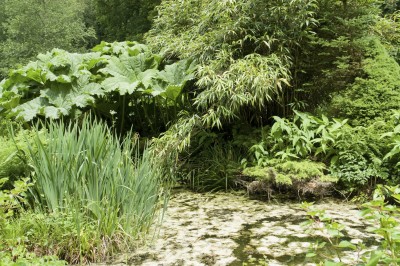
A riparian garden borders a stream, pond, or lake. Done right, it stabilizes banks, filters runoff, cools water for fish, and creates a wildlife corridor. The key: native plants matched to the site’s moisture gradient.
Riparian areas transition from water’s edge upslope through five moisture levels:
Your garden likely spans several zones. Map them before selecting plants.
Consult your local extension office or native plant society for zone-specific lists. Examples by zone:
Once established (2–3 years), native riparian plantings are largely self-sustaining. Monitor for invasives annually. The result: cleaner water, richer wildlife, and a resilient, beautiful shoreline.
Expert Gardening Tips to Maximize Your Harvest
Expert Gardening Advice: Essential Practices for a Thriving Garden
Organic Gardening Fundamentals: Essential Tips for New Gardeners
Expert Tips for Creating Successful Garden Designs
How to Build a Butterfly Paradise in Your Backyard
Biblical Garden Design: Cultivating Plants from Scripture
Planning a Fragrant Garden: Scent, Placement & Plant Selection
Pro Garden Tips: Soil, Seeds, and Smart Strategies for Better Results
Vegetable Garden Tips: Reduce Work, Increase Enjoyment
Creating a Stunning Container Garden: Design Tips and Plant Selection
Planning a Backyard Vegetable Garden Design
Starting a Garden from Seed: A Complete Beginner's Guide
Prairie Garden Design: Create a Low-Maintenance Native Meadow
Copyright © www.100flowers.win Botanic Garden All Rights Reserved