


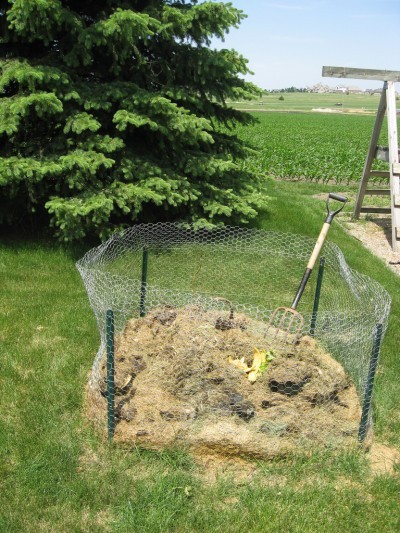
Composting grass clippings seems logical, but you need to understand a few things first. Proper knowledge ensures your compost pile thrives.
First: you don't have to compost grass clippings. If you mow at proper height and frequency, clippings decompose naturally on the lawn, adding nutrients and reducing fertilizer needs. Bagging clippings is extra work.
If you must remove clippings, understand that fresh grass is "green" (nitrogen-rich) material. Compost needs balanced greens and browns (carbon-rich, like dry leaves). If clippings dry completely (turning brown), they become brown material.
Herbicide concerns: Residential lawn herbicides must legally break down within days, posing no danger to plants receiving compost. But non-residential sources (farms, golf courses) may use herbicides taking weeks or months to break down—these can threaten plants receiving that compost.
Don't just toss grass on the pile—it mats, compacts, gets overly wet, prevents aeration, and kills composting microbes, creating a smelly mess.
Instead: mix or turn grass clippings into the pile to distribute green material evenly and prevent matting. This recycles lawn nutrients and adds valuable green material to compost.
Composting Basics: Building and Maintaining a Pile
Sand Topdressing: Benefits, Compost Blends, and Compost Tea Reality
Topdressing St. Augustine with Compost: How Much Is Safe?
Indoor Composting: Worm Bins & Small Bioreactors for Any Home
Indoor Composting: How to Compost in Your Home or Apartment
Composting Grass Clippings: Turn Lawn Waste into Garden Gold
Composting Human Waste: Why It's Risky for Home Gardens
Composting Pine Needles: Myths, Tips, and the 10% Rule
Composting Human Waste: Safety, Regulations, and the Humanure Debate
How to Compost Pine Needles: A Complete Guide for Gardeners
Making Compost: Piles, Bins, Three-Bin Systems, and Worm Composting
Copyright © www.100flowers.win Botanic Garden All Rights Reserved