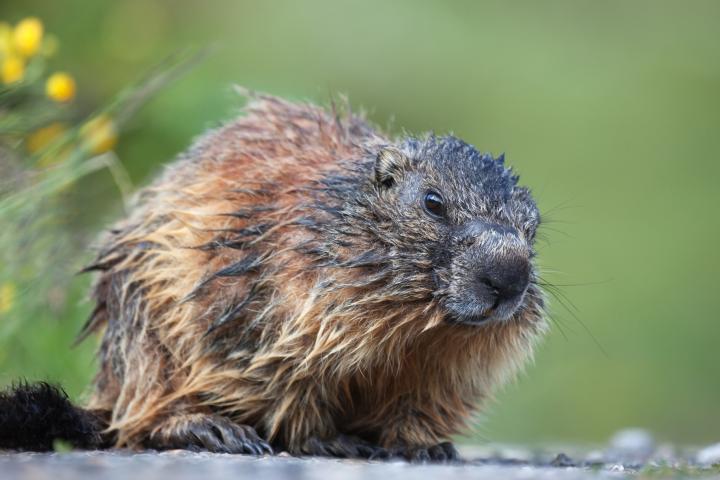
Woodchuck (Groundhog) Control: Protect Your Garden from These Gluttonous Rodents
Woodchucks, also known as groundhogs, can obliterate a vegetable garden in minutes. Here’s how to identify them and implement effective barriers and deterrents. Understanding Woodchucks These binge-eating rodents consum

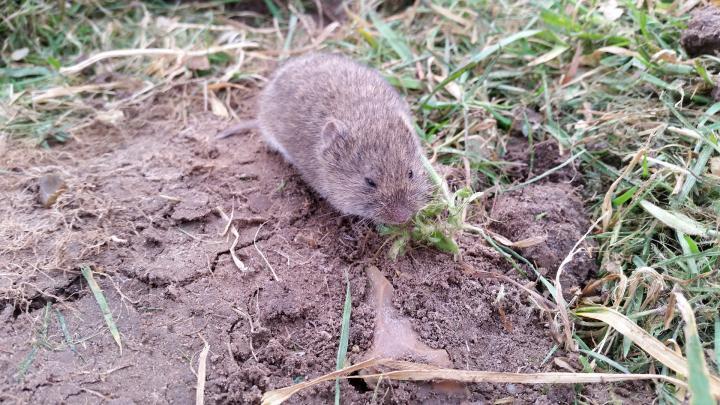
Vole Control: Identify and Eliminate These Destructive Rodents
Voles, often called field or meadow mice, can devastate a garden. Learn to distinguish them from moles and mice, and discover effective control methods. What Is a Vole? Voles are small, stocky rodents similar to field m
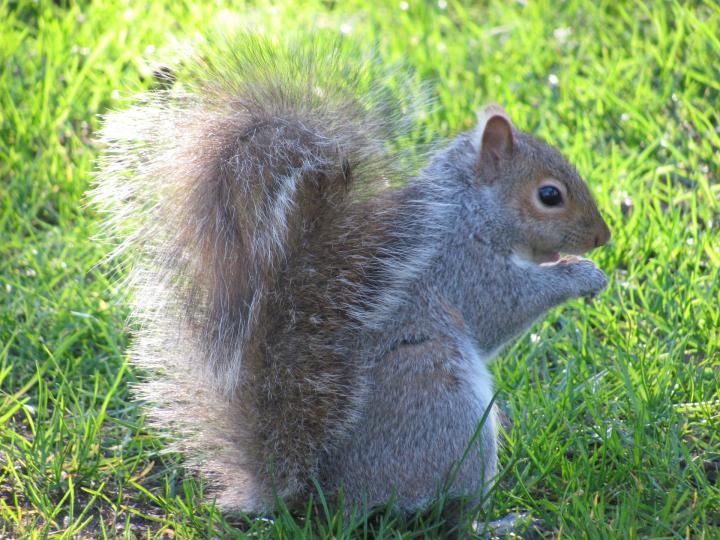
Squirrel Control: Identify, Deter, and Protect Your Garden
Squirrels may be entertaining, but their appetite for bulbs, fruits, and vegetables makes them a gardener’s nightmare. Here’s how to identify gray squirrels and keep them out of your beds and bird feeders. Why Squirrels
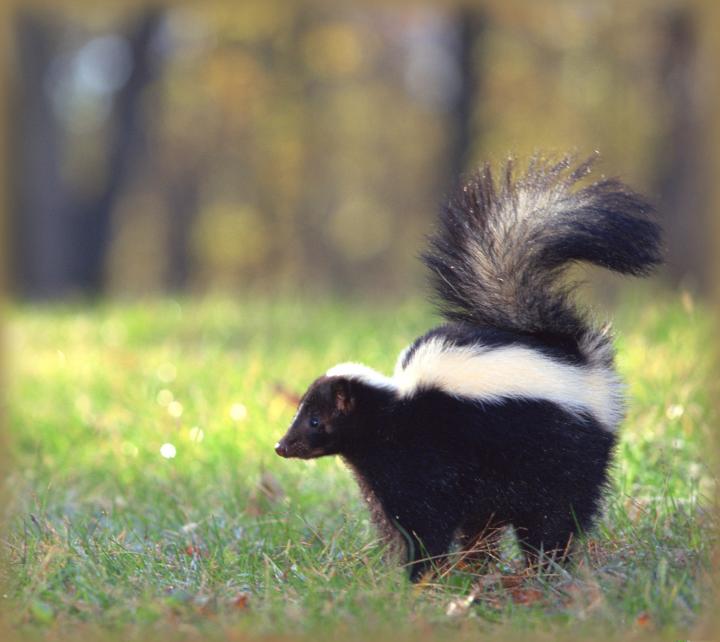
Skunk Identification and Control: Keep Your Garden Safe
Skunks are generally docile and beneficial, eating many garden pests, but their infamous spray makes them unwelcome visitors. Learn to identify them and keep them at bay. What Are Skunks? Skunks are nocturnal, mild-mann
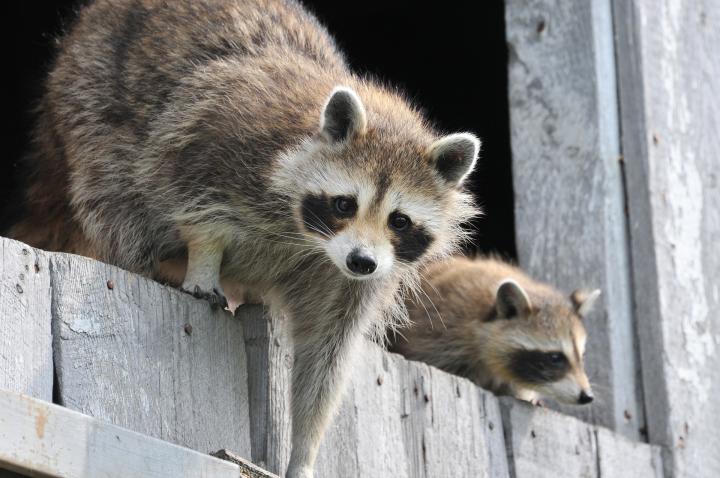
How to Identify and Eliminate Raccoons from Your Garden
Raccoons are intelligent, dexterous, and persistent garden invaders. Recognizing their signs and employing a mix of deterrents can save your crops from these masked bandits. Understanding Raccoons Raccoons (Procyon loto
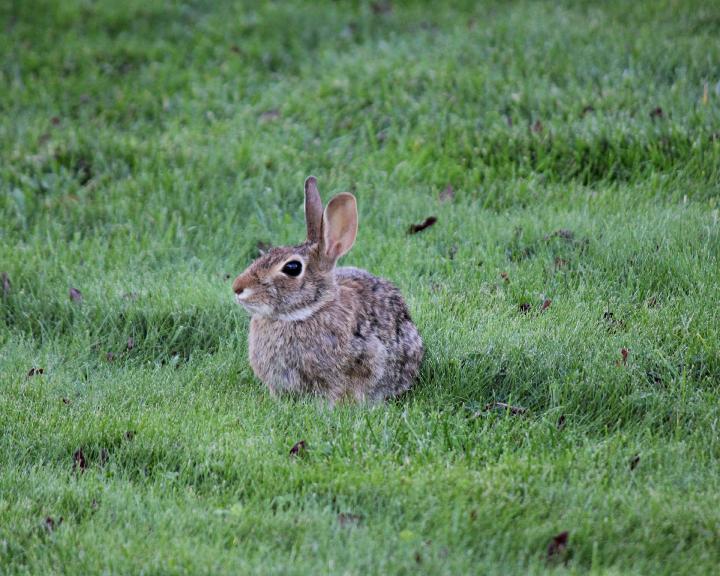
Effective Strategies to Identify and Deter Rabbits from Your Garden
Rabbits may look adorable, but they can wreak havoc on a garden with their voracious appetites and rapid reproduction. Learning how to identify rabbit activity and implement effective deterrents is essential for protect
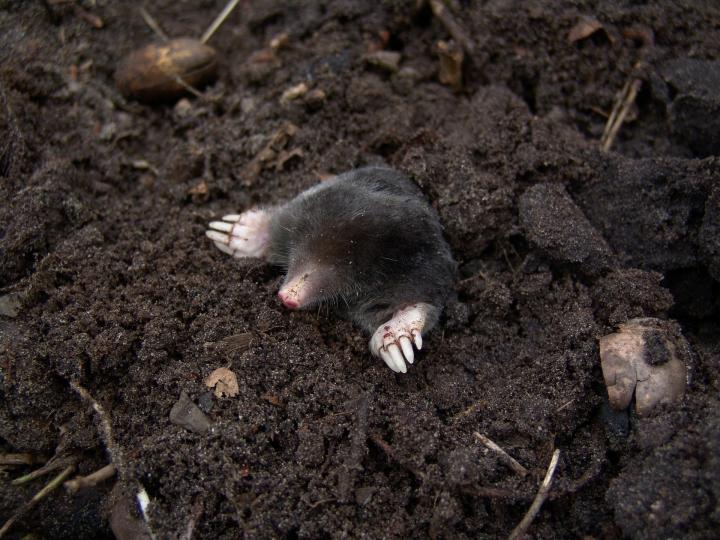
Moles: Identification, Control & Prevention in Lawn & Garden
Moles are insectivorous mammals—not plant eaters—but their tunnels ruin lawns/gardens and create rodent highways. High mole numbers signal rich organic soil and abundant soil pests (warning sign). Identification Pointed
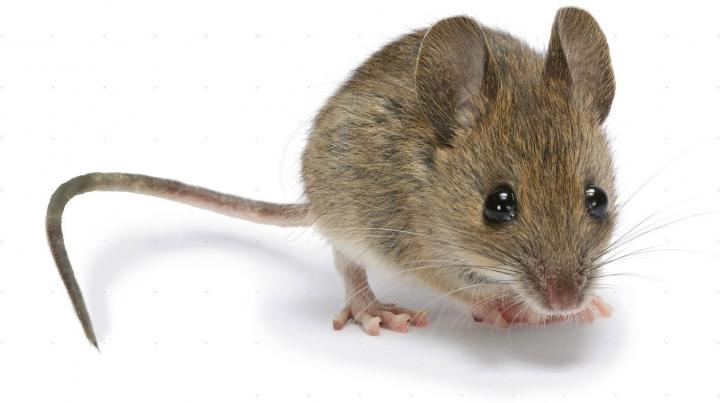
Mice: Identification, Control & Prevention in Garden & Home
Mice live near humans, contaminating food in gardens and pantries. Small rodents: large ears, black eyes, gray/light brown, 1/2 oz, 5–7 body + 3–4 tail. Musky odor; nocturnal. Damage Tunnel and chew. Partially eaten pot
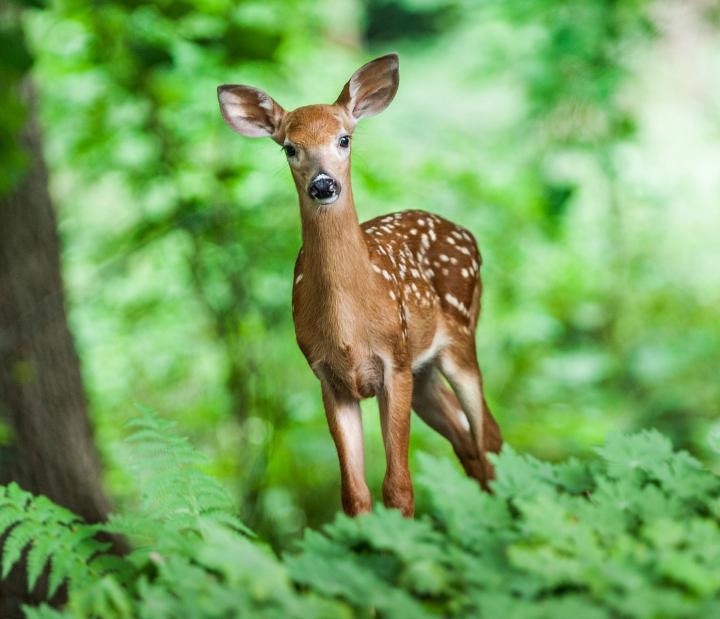
Deer: Identification, Control & Prevention in the Garden
Deer leap most fences to browse arborvitae, fir, alfalfa, roses, fruits, vegetables. Spring is peak damage: does pregnant/nursing, bucks growing antlers (1/2/day), all replacing winter nutrients. Feed at dawn/dusk on wo
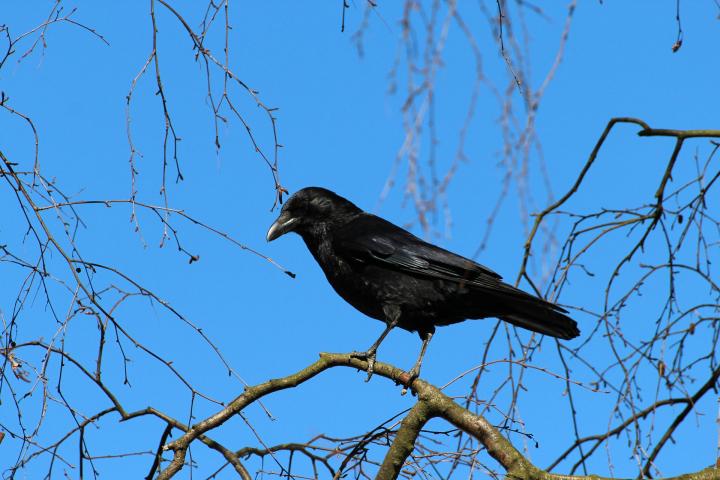
Crows: Identification, Control & Prevention in the Garden
Crows are intelligent, social birds that damage gardens and prey on other birds. Distinguished from ravens: smaller, no shaggy throat feathers, fan-shaped tail (vs. wedge), harsh caw (vs. croak). Groups called murders.
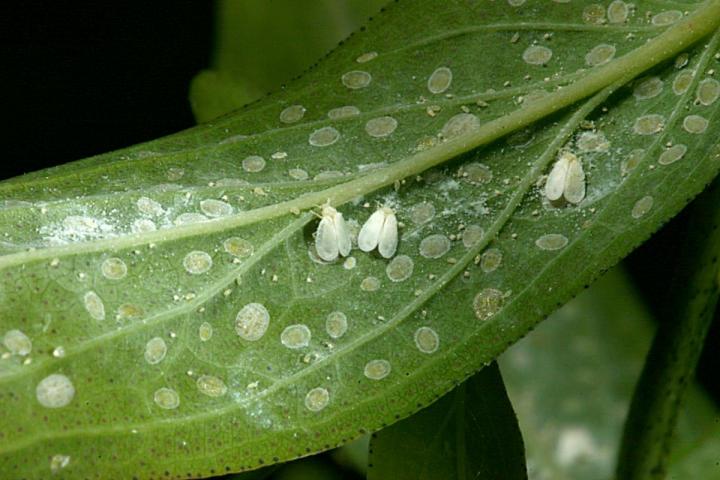
Whiteflies: Identification, Control & Prevention
Whiteflies (Aleyrodidae) are tiny, winged, soft-bodied insects related to aphids. 1/12 long, triangular, clustered on leaf undersides. Active daytime; camouflaged. Overwinter/reproduce year-round in warm climates. Silve
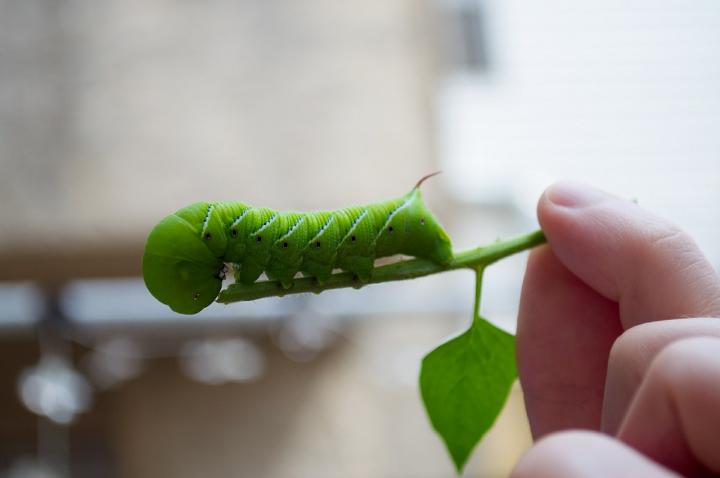
Tomato Hornworms: Identification, Control & Prevention
Tomato hornworms are large green caterpillars (up to 5) with white/black markings, a rear horn, and eight V-shaped stripes. Found across US; devastate tomatoes, eggplant, peppers, potatoes. Blend perfectly with foliage.
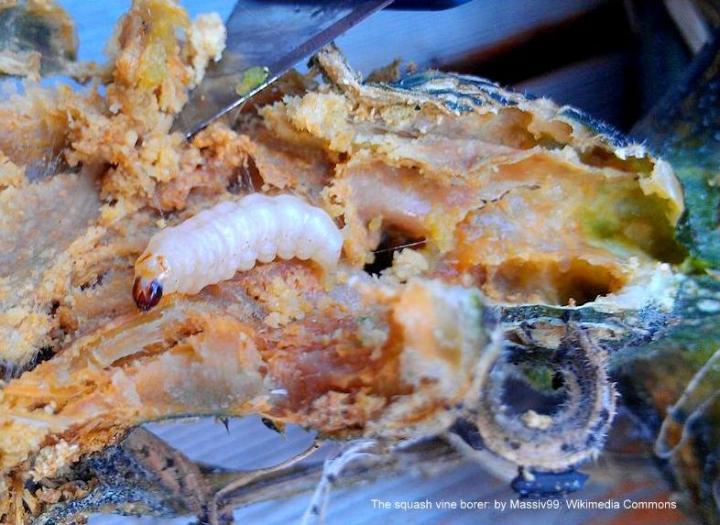
Squash Vine Borer: Identification, Control & Prevention
Squash vine borer larvae bore into lower stems, causing sudden wilting. Attack squash, zucchini, pumpkins, gourds. Prefer Hubbard; dislike butternut. Cucumbers/melons usually safe. Lifecycle Overwinter as pupae in soil
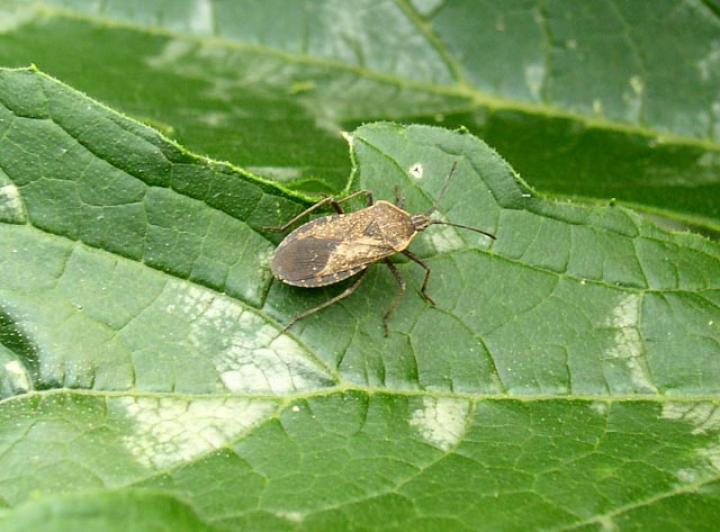
Squash Bugs: Identification, Control & Prevention
Squash bugs (often confused with stink bugs) are difficult to kill and devastate cucurbits: squash, pumpkins. Stink bugs are wider/rounder; both smell when crushed. Identification 1/2, brownish-gray, flat back, orange a
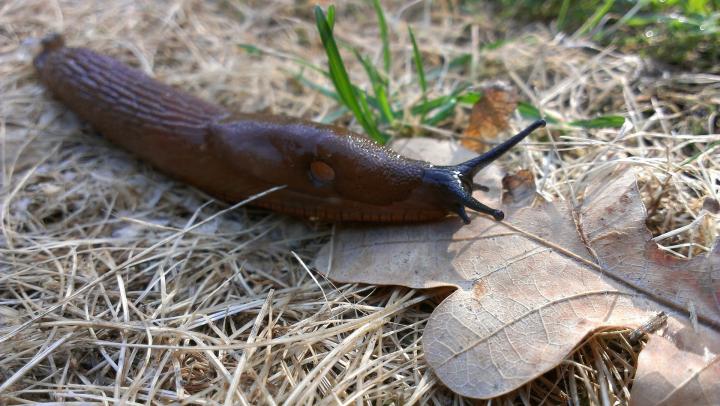
Slugs: Identification, Control & Prevention
Slugs are soft-bodied mollusks (not insects), related to squid and clams. Hermaphroditic; complex mating. Thrive in moist, humid climates; worse in rainy seasons. One lung; reduced shell plate. Identification Gray to
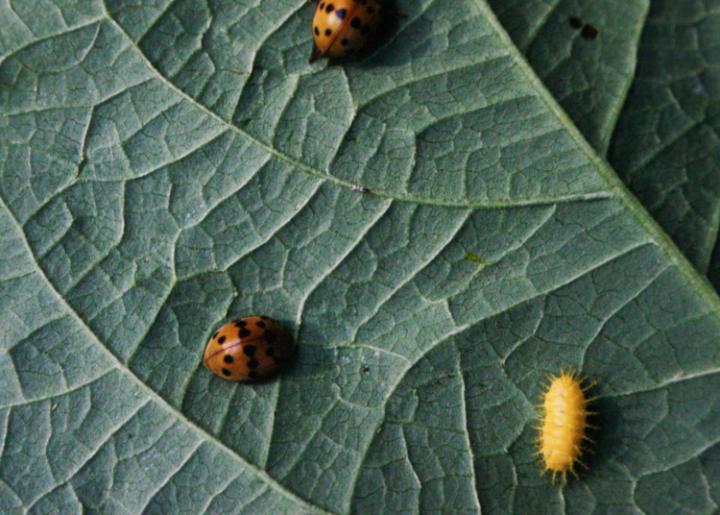
Mexican Bean Beetles: Identification, Control & Prevention
Mexican bean beetles (ladybug relatives) resemble yellow/orange ladybugs but skeletonize foliage like Japanese beetles. Found throughout US except driest areas. Attack beans, peas, beets, squash, tomatoes. Lifecycle Egg
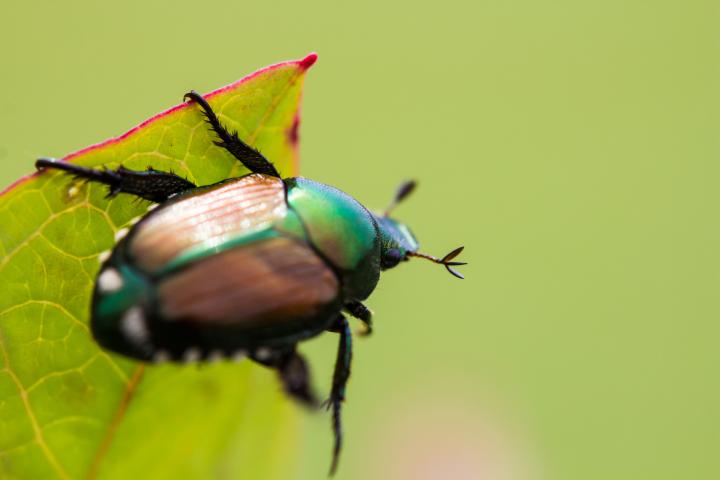
Japanese Beetles: Identification, Control & Prevention
Japanese beetles (1/2, metallic blue-green head, copper back, tan wings, white abdominal tufts) are major pests in Eastern/Midwestern US, feeding on 300+ plants. Accidentally introduced ~1916 (grubs in iris roots). Erad
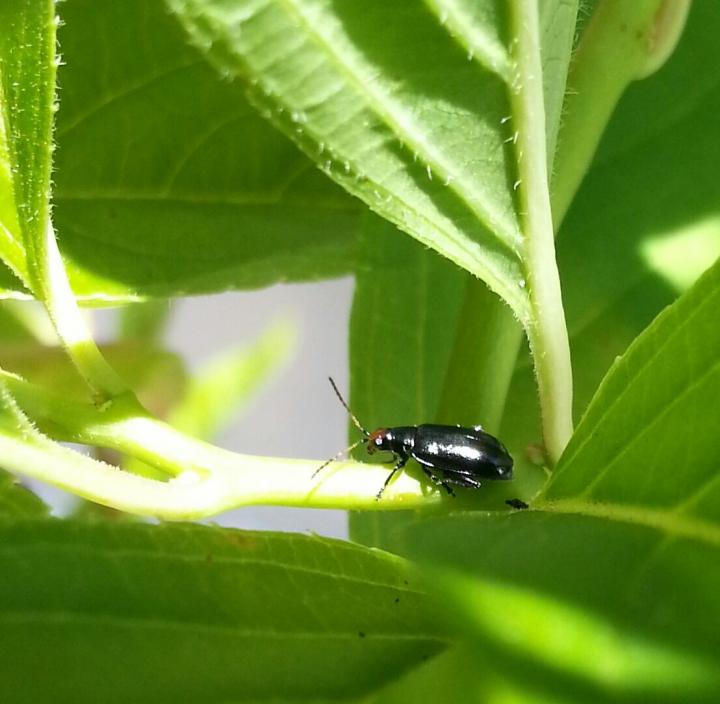
Flea Beetles: Identification, Control & Prevention
Flea beetles—tiny, shiny, large hind legs, jump like fleas—attack many vegetable crops. 1/16 long. Eggs at stem bases early summer; larvae feed roots; adults chew shotholes in foliage. Identification Black to tan, solid
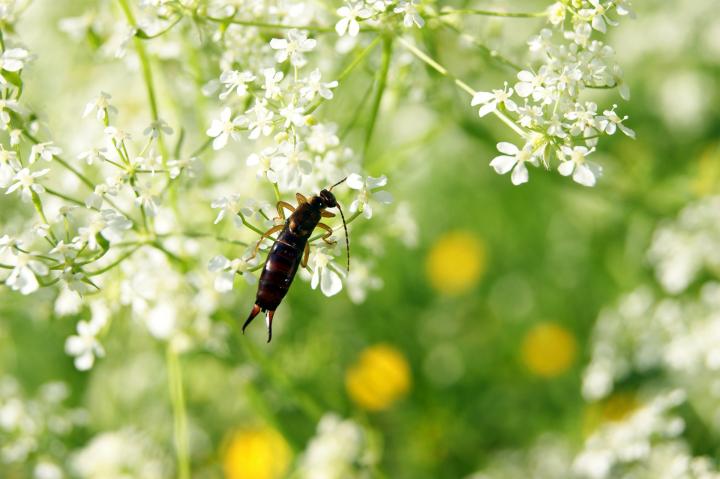
Earwigs: Identification, Control & Prevention
Earwigs (pincher bugs, Dermaptera) are nocturnal, fast, and hide by day in dark, damp places (decaying wood, basements, woodpiles). They eat aphids, maggots, armyworms—beneficial—but also damage plants. Ancient order (2
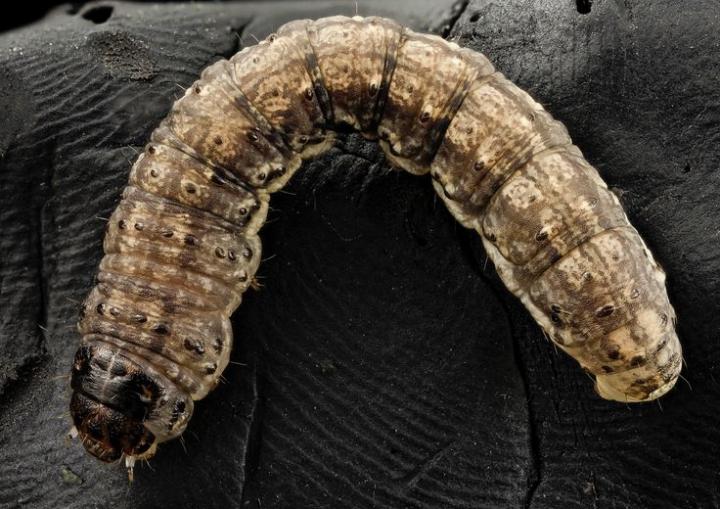
Cutworms: Identification, Control & Prevention
Cutworms are moth larvae (multiple species). Fall-hatched larvae overwinter in soil/woodpiles. Most damage occurs early spring when they emerge. Caterpillars, often mistaken for grubs. Identification Patrol at dusk/even
Copyright © www.100flowers.win Botanic Garden All Rights Reserved