


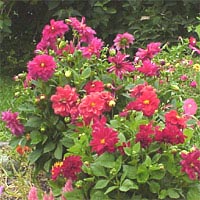
Flamboyant dahlias are quick-growing, heat-loving plants producing abundant flowers on sturdy stems. Hundreds of varieties with vast range of sizes, colors, shapes.
Full sun to light shade, well-drained soil. Shelter tall/large-flowered varieties from wind. Adapt well to containers.
Spring after frost, soil warmed. Loosen soil 12–15 inches, add 2–4 inches compost. Hole ~3x tuber diameter (3–8 inches). Set tuber horizontally, buds up, cover, firm. Space 1–3 feet. Water thoroughly. Stake tall varieties at planting, avoiding tuber damage.
Mulch 2–4 inches. Pinch back at 1 foot to reduce height. Water consistently (1 inch/week); containers more frequently. Deadhead. After frost kills foliage, cut to few inches. Wait weeks for tubers to cure. Lift, brush soil, store in perlite/peat in plastic-lined boxes (not touching) at 45–55°F, off floor. Replant spring, dividing large clumps into sections with buds (small bumps).
Slow-Growing Tree with Burnt Leaves in Texas Hill Country
Root Rot in Garden Beds: Diagnosing and Treating Soil-Borne Fungal Disease
The Ideal Potting Mix for Container Plants: Peat, Soil, and Ratios Explained
Magnesium for Wheat: Soil Test First, Then Decide
Safely Lowering Soil pH for Acid-Loving Plants
Preparing Soil for a New Rose Bed: Organic Matter and Fertilizer Tips
Amending Clay Soil: Mix Compost Thoroughly, Avoid Layering
Lowering Extremely Alkaline Soil (pH 8+): Why Gypsum Is Wrong and Which Amendments Work
Tomato Early Blight and Gardener Allergies: Fungicide Treatment and Personal Protection
Pure Mushroom Compost in Raised Beds: Why Blending with Native Soil Prevents Water Extremes
Testing Soil pH for Blueberries and Estimating Yield from a Small Planting
Improving Clay Soil for Root Vegetables in the Orkney Islands
Rebalancing Soil High in Phosphates, Potassium, and Magnesium
Copyright © www.100flowers.win Botanic Garden All Rights Reserved