


Flowers speak a silent, fragrant language. From the Victorian drawing room to modern text messages with floral emojis, blooms convey emotions too delicate, complex, or forbidden for words. This guide decodes the symbolism of major flowers and colors—so your next bouquet says exactly what you mean.
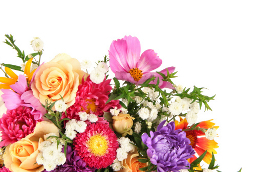
The "language of flowers" peaked in Victorian England (1837–1901), when strict etiquette banned open courtship. Lovers exchanged "tussie-mussies" (small bouquets) where every flower, color, and arrangement angle carried meaning. Though less coded today, these associations endure in wedding floristry, sympathy arrangements, and romantic gestures.
| Color | General Meaning | Examples |
|---|---|---|
| Red | Passion, love, courage, respect | Rose, tulip, carnation, chrysanthemum |
| Pink | Grace, admiration, gentleness, joy | Rose, peony, carnation, tulip |
| White | Purity, innocence, sympathy, reverence | Rose, lily, carnation, chrysanthemum |
| Yellow | Friendship, joy, jealousy (context!), new beginnings | Rose, tulip, iris, chrysanthemum |
| Orange | Enthusiasm, warmth, fascination, energy | Rose, tulip, lily, marigold |
| Purple/Lavender | Royalty, admiration, enchantment, wisdom | Iris, orchid, lilac, rose |
| Blue | Serenity, hope, faith, impossibility (rare in nature) | Iris, hydrangea, delphinium, rose (dyed) |
Whether you're saying "I love you," "I'm sorry," "Congratulations," or "I'm thinking of you," let flowers do the talking—they've been perfecting this language for centuries.
Meaningful Flower Alternatives to Red Roses for a Romantic Gift
Anthurium Flowers Turning Green: Post-Sale Hormone Fade
Zucchini Not Flowering? Sun, Water, Fertilizer & Pollinators Checklist
Starting a Butterfly Garden in Northern Michigan: Hardy Perennials and Clematis Propagation
What Makes a Great Florist? How to Choose for Any Occasion
What Flowers to Plant in the South: Heat-Loving Varieties
Marigold Flower Meaning: Symbolism Across Cultures & History
Native Canadian Flowers: Provincial Blooms and Where to Find Them
12 Exotic Flowers That Will Transform Your Garden or Bouquet
Types of Flowers: A Botanical Guide to Classification & Anatomy
Types of Flowers: Complete Classification Guide with Pictures & Meanings
Water Lily Symbolism: Meanings in Egypt, Asia & Western Culture
Best Flowers and Plants to Attract Butterflies to Your Garden
Creative Ways to Give Flowers: Virtual Bouquets, Nature Walks, and Garden Messages
Copyright © www.100flowers.win Botanic Garden All Rights Reserved