


"Earth laughs in flowers," wrote Emerson. Among Earth's laughter, exotic flowers stand out—rare, vivid, fragrant, and unforgettable. Whether for a show-stopping bouquet or a garden conversation piece, these 12 exotic blooms deliver drama and beauty.
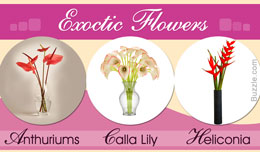
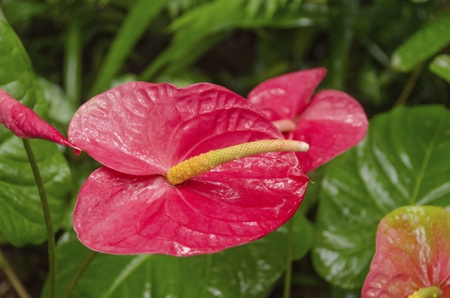
AKA: Flamingo Flower, Painted Tongue, Tail Flower.
Origin: Tropical America.
Features: Waxy, thick, heart-shaped spathe (red, white, pink) with protruding spadix. Long-lasting. Types: flowering, velvet-leaf, palmate-leaf, pendulous.
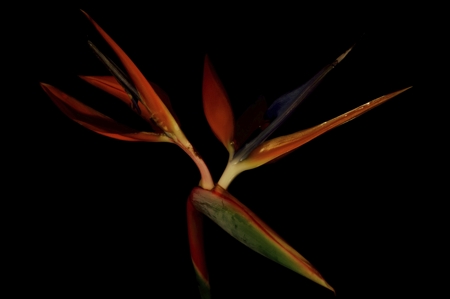
AKA: Crane Flower.
Origin: South Africa.
Features: Striking orange-and-blue flowers resembling a colorful bird in flight. Blooms Sept–May. Also a dramatic landscape plant.
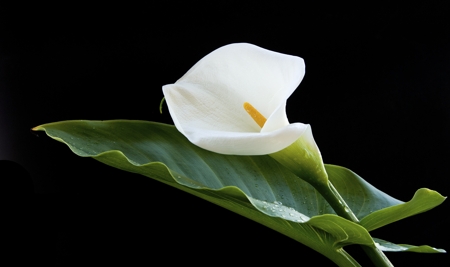
AKA: Arum Lily, Trumpet Lily.
Origin: South Africa.
Features: Elegant trumpet-shaped spathe (white, pink, yellow, purple) around yellow spadix. Greek kallos = beautiful. Blooms late spring.
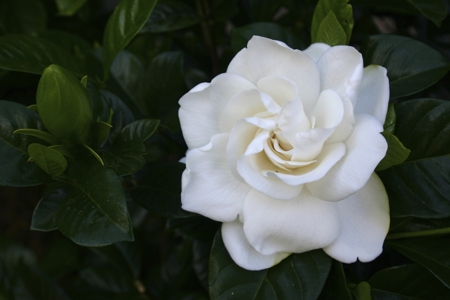
Origin: Tropical/subtropical Asia, Africa, Australia.
Features: Creamy-white, intensely fragrant, waxy blooms. Named for Scottish naturalist Alexander Garden. Prized for perfume and corsages.
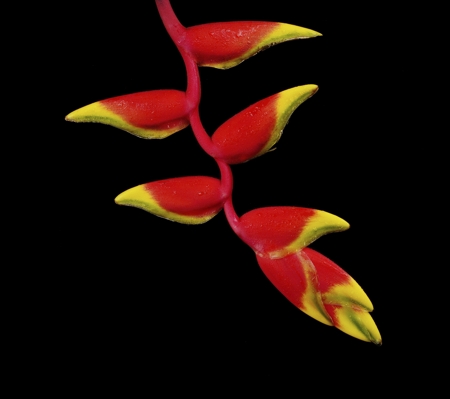
AKA: Lobster Claw, False Bird of Paradise.
Origin: Tropical America, West Indonesia, Pacific Islands.
Features: Brilliant, large, colorful bracts (often hiding true flowers). 3–30 ft tall. Named for Mount Helicon. Popular landscape plant.
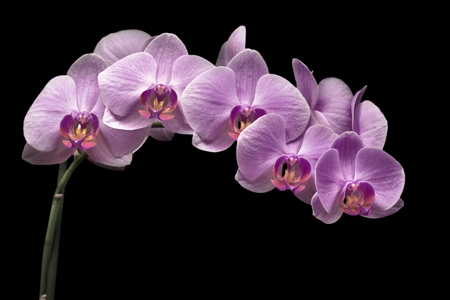
Origin: Every continent except Antarctica.
Features: Three main types (epiphytic, terrestrial, lithophytic). African = white; Asian = multicolored. Among most sought-after, expensive cut flowers.

Origin: Asia, Australia.
Features: Sacred in Buddhism. White, pink, yellow blooms rise from muddy waters. National flower of India & Vietnam. Needs full sun; dormant in winter. Edible seeds, roots, leaves.
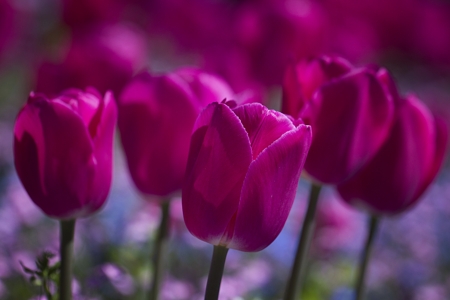
Origin: Central Asia (cultivated in Netherlands).
Features: 100+ species, 6-petaled cups in nearly every color except true blue. Spring bloomer (March–May): early, mid, late season. Large, showy, iconic.
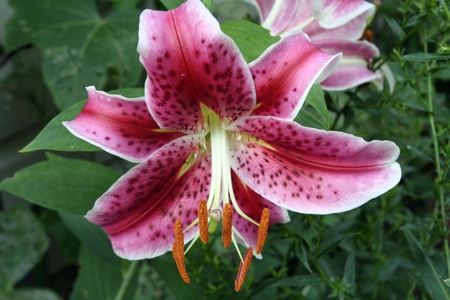
Origin: Cultivated in Netherlands, NW USA, New Zealand.
Features: Large, fragrant, recurved petals in pink, white, orange, yellow, red—often speckled. Blooms May–Sept. Erect, drooping, or horizontal; funnel-shaped.
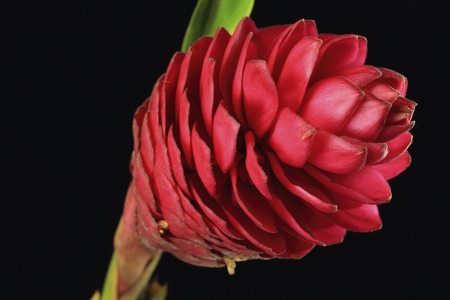
AKA: Red Ginger, Torch Ginger, Wild Ginger.
Origin: Indo-Malaysia.
Features: Spectacular red cone-like bracts with small white true flowers. Ornamental; some parts edible. Used in leis, headpieces, garlands. Distinct from culinary ginger.
With global shipping, these once-rare beauties can now grace any garden or vase—bringing a touch of the extraordinary to everyday life.
Sending Flowers Across Kolkata: A Guide to City‑Wide Delivery
Flower Delivery to Chennai: Exotic Blooms, Care Tips & Wedding Trends
Easter Flowers: Symbolism, Significance & Decorating Ideas
Anthurium (Flamingo Flower): Care, Varieties & Growing Secrets
Parrot Flower (Impatiens psittacina): The Rare "Flying Cockatoo" Bloom
Tuberose (Polianthes tuberosa): Growing the Queen of Fragrance
Saving Flower Seeds: Hybrid vs. Open-Pollinated
Unusual Annuals for All-Sun Window Boxes: Beyond the Six-Pack
Flower Delivery in Ahmedabad: Romantic Blooms for Every Occasion
The Art of Flower Arrangement: History, Principles & Modern Options
Discover the Exotic Flowers of the Philippines: Sampaguita, Gumamela & Ylang-Ylang
Copyright © www.100flowers.win Botanic Garden All Rights Reserved