


Many plant owners struggle to identify their long-time houseplants, especially when they share characteristics with more common species. This mystery plant, grown for decades and flowering with a strong evening fragrance, is actually Pleomele thalioides — often called "Lance Dracaena" despite not being a true Dracaena.
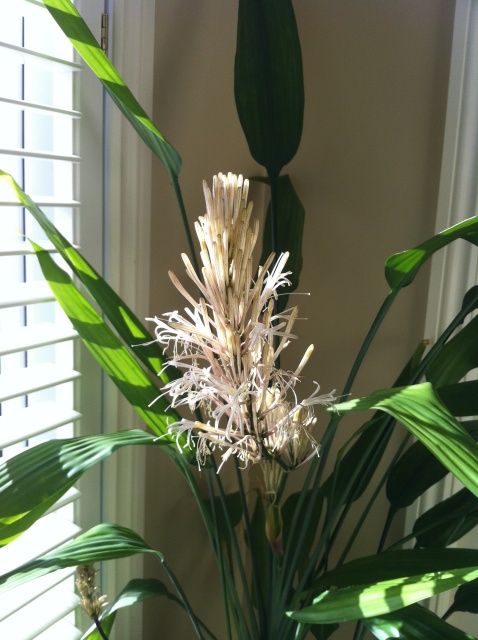
Key Identification Features
Care Requirements
Like its Dracaena relatives, Pleomele thalioides thrives in bright, indirect light but tolerates lower light conditions. Water when the top inch of soil feels dry, and avoid fluoride-heavy tap water which can cause leaf tip burn. This plant appreciates moderate humidity and temperatures above 60°F (15°C).
Why the Confusion?
Both genera belong to the Asparagaceae family and share similar growth patterns. The "Lance Dracaena" common name reflects this resemblance, but botanically they're distinct. Your plant's 20-year history and flowering confirm it's a well-established specimen — a testament to your care!
Weed Alert: Common Reed Grass in Carnivorous Plant Pots
Identifying a Sarracenia Hybrid: purpurea × rubra
Unknown Palm Care: Identification First
Mystery Office Plant: 4-ft, Opposite Leaves, Seeds Pop, Grows in Fluorescent Light
Identifying a Mystery Plant with Maple-Like Leaves and Dogwood-Like Flowers
Mystery Stalk with Substantial Trunk in Western New York
Unknown Bushes in South Mississippi: Fragrant with Speckled Leaves
Identifying a Latex-Producing Vine in Nigeria
Dracaena Warneckii: A Popular Low-Maintenance Houseplant
Dalmatian Toadflax (Linaria genistifolia): An Invasive Weed with Snapdragon-Like Flowers
Biennial Mystery in Nevada: Could It Be Piggyback Plant?
Apple Tree Suckers: Are They True to Type or Rootstock?
Yucca Elephantipes Care: Bright Light, Dry Soil, and Mealybug Control
Copyright © www.100flowers.win Botanic Garden All Rights Reserved