

Is Dogfennel Edible? Better to Stick with Culinary Fennel
Dogfennel (Eupatorium capillifolium) makes cow milk taste bad, so cattle avoid it. While related Joe Pye weed has herbal uses, white snakeroot is toxic. Safest: use store-bought fennel for cooking.

Moving a Potted Hydrangea into the Ground: Fall Planting Guide
Fall is ideal for planting hydrangeas. Remove from pot, loosen/trim tangled roots. Choose morning sun, afternoon shade. Florist hydrangeas may not bloom as reliably outdoors but make attractive shrubs.
Using Cottonseed Meal as Organic Fertilizer: Rates and Best Plants
Cottonseed meal (6-1-1) releases nutrients slowly as soil microbes break it down, feeding through the growing season. Ideal for shallow-rooted acid-lovers: azalea, blueberry, boxwood, rhododendron. Apply 10 lbs per 100 s
Renovating Cast Iron Plant: Wait Until April for Hard Cutback
Cast iron plant beds looking rough? Best renovation is in April when new growth emerges—cut back, fertilize, and let regrow. For now, just snip off brown leaves and wait.
Azalea Pruning and Transplanting: Timing Trade-offs
Best time to trim azaleas is after spring bloom. Best time to transplant is fall, after next year’s buds form. If you must do both now, prune and transplant, but expect few flowers next spring. Prioritize long-term healt
Managing Dichondra in Shady St. Augustine: Consider Alternatives
Dichondra invades thinning St. Augustine in shade. Fighting it is endless—moss or creeping Charlie will replace it. Better: landscape with shade-loving plants (Lenten rose, hosta, ferns) or plant dwarf mondo grass sprigs
Overwintering Potted Japanese Maples on a Deck
Japanese maples in pots are winter-hardy outdoors. Pull pots against the house wall for root insulation, ensure drainage, and elevate on bricks or pot feet to prevent waterlogging and pot cracking.
Pecan History: Native to Midwest, Now Georgia’s Top Crop
Pecans (Carya illinoinensis) are native to the Midwest. Native Americans used them for trade. The scientific name came from Hessian soldier Friedrich Wangenheim during the American Revolution. Georgia leads U.S. producti
Perennial Ryegrass Is Not Perennial in Georgia’s Heat
Perennial ryegrass dies in Georgia’s hot, humid summers. It’s perennial only where summers stay below 80°F. Use it for winter erosion control, then kill with glyphosate in May and plant warm-season grasses (bermuda, zoys
Saving Pumpkin Seeds: Dry, Store, and Accept Surprises
Plump seeds from a Halloween pumpkin can be dried a week on paper towels, cleaned of pulp, and stored cool. Cross-pollination means next year’s fruit may differ. Plant in June or July.
Composting Horse Manure and Shavings: Wait Until Earthy
Pile horse manure and stall shavings until the shavings decompose and the pile smells earthy, not of ammonia. Then it’s safe as a soil amendment.
Harvesting and Storing Moon Vine Seeds for Next Season
Moon vine (Ipomoea alba) produces large white night-blooming flowers. Harvest seeds in fall when pods dry completely; each yields 1–4 ivory seeds. Store cool and dry until late April planting.
Using Decomposed Pine Trunks as Mulch or Soil Conditioner
An 8-year-old pile of pine trunks has decomposed into crumbly organic matter. It’s essentially compost. If particles are under ¼ inch, incorporate as soil conditioner; larger pieces work as mulch. Rake to separate both f
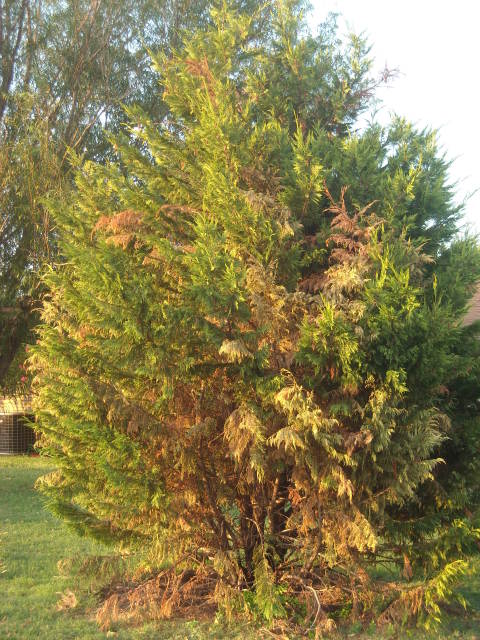
Sawfly Larvae on Deodar Cedar: Not Caterpillars, Need Different Spray
Yellow “caterpillars” on newly planted deodar cedars are actually red-headed pine sawfly larvae (wasp relatives). Bacillus thuringiensis (Bt) won’t work; use a general garden insecticide instead.
Overwintering Miniature Roses: Keep Them Outdoors, Not Inside
Miniature roses are hardy outdoors but suffer indoors. On a sunny deck, winter warmth may force tender growth. Instead, dig a trench slightly deeper than the pots, line with bricks for drainage, set pots on bricks, insul
Why Bare-Root Seedlings Often Outgrow Container Trees
Bare-root seedlings from Arbor Day can establish quickly if planted in a wide area of loosened soil, mulched 4 feet out, and watered weekly in summer. Georgia residents can order seedlings from the Georgia Forestry Commi
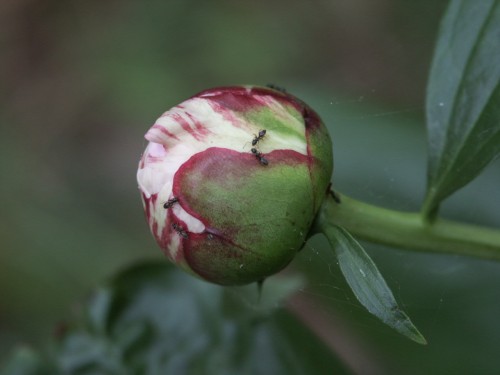
Planting and Caring for ‘Sarah Bernhardt’ Peonies in the South
Newly planted peonies rarely bloom immediately; they need 3–5 years to establish. Plant shallow—crown near soil level—or they won’t flower. Watch for leaf spots (botrytis). ‘Festiva Maxima’ is the classic southern peony,
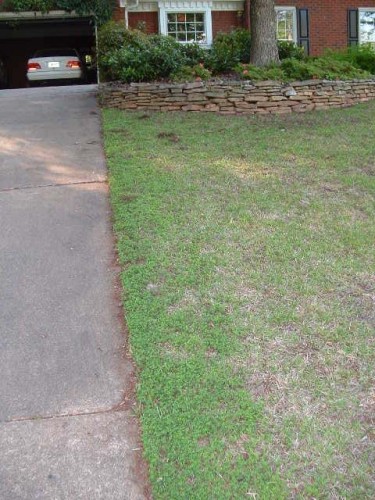
Controlling Lespedeza in Centipedegrass: Address Soil Compaction
Lespedeza, an annual summer weed, thrives in compacted soil—often along driveways where tires compact the earth. Hand-pulling works for small patches. Long-term: aerate heavily in May, fertilize twice yearly to thicken t
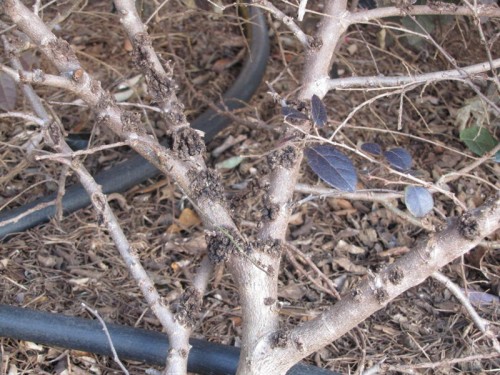
Loropetalum Canker: Bacterial Gall Caused by Pseudomonas savastanoi
Dying limbs on loropetalum were initially thought to be crown gall, but Auburn pathologist Jim Jacobi identified Pseudomonas savastanoi, which causes galls on oleander, olive, and other plants. Treatment: prune galled br
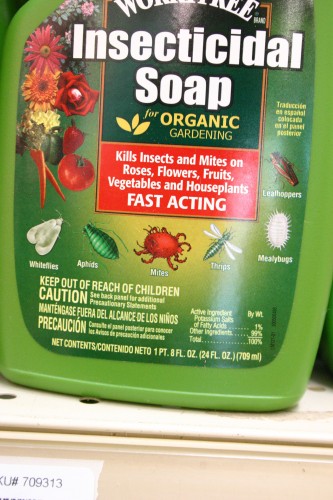
“Pesticide-Free” Herbs? Understanding Organic and Natural Labeling
A grower planning to sell herbs at a market asked if insecticidal soap counts as a pesticide. By definition, any substance used to mitigate pests is a pesticide. Insecticidal soap is synthetic and must be approved by a c
Copyright © www.100flowers.win Botanic Garden All Rights Reserved